Prioritizing Durability in Material Selection
When a homeowner decides to upgrade his outdoor space, the first hurdle is always the elements. Unlike indoor pieces, deck furniture must battle constant UV exposure, fluctuating humidity, and rain. To avoid replacing a set every two years, he should focus on high-performance materials that offer both aesthetic appeal and structural resilience.
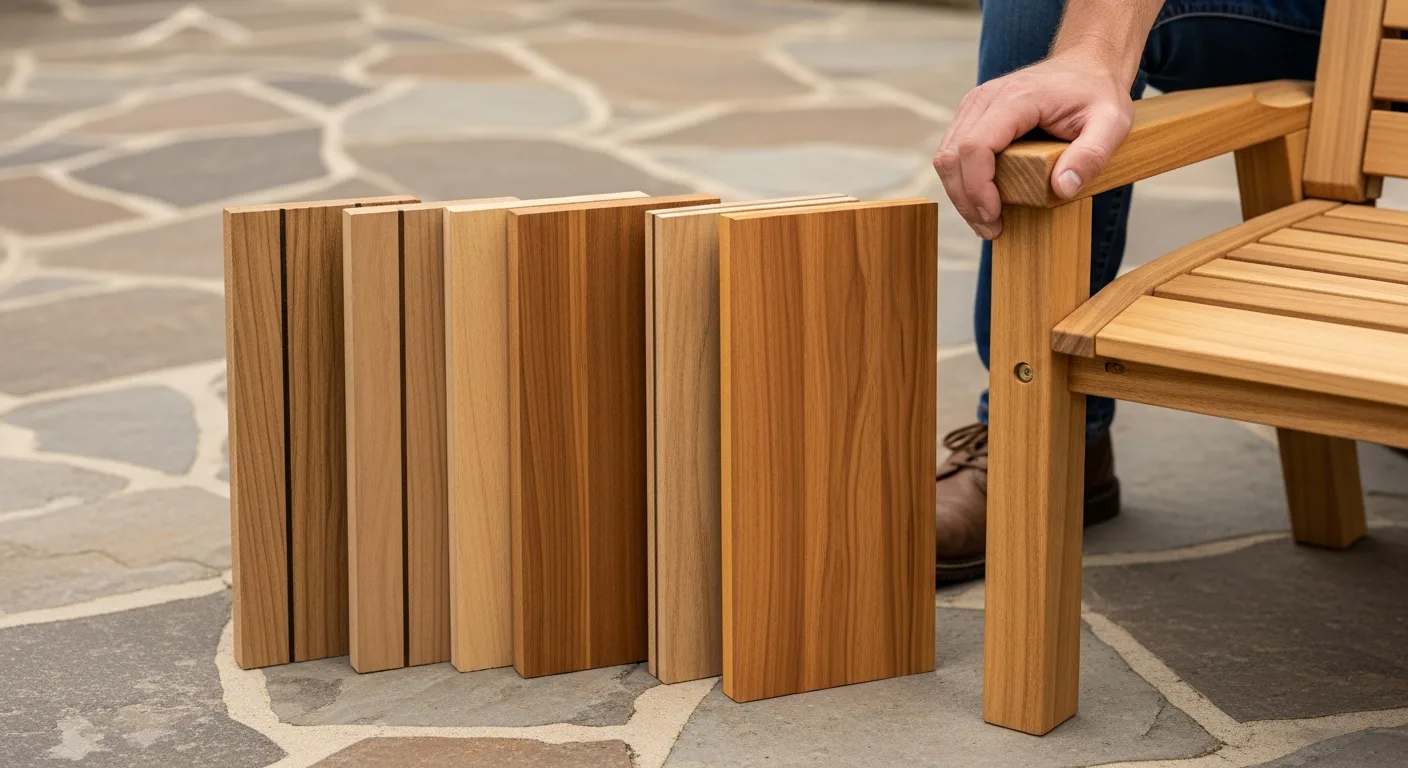
Teak remains the gold standard for wooden furniture due to its high oil content, which naturally repels water and prevents rot. If he prefers a more modern, low-maintenance approach, high-density polyethylene (HDPE) lumber is an excellent choice. This material is made from recycled plastics and won’t crack, fade, or peel. When selecting the foundation for his seating area, a homeowner should prioritize the best wood for outdoor furniture or high-grade metals like powder-coated aluminum to ensure the pieces withstand harsh conditions.
Strategic Layouts for Maximum Utility
A well-designed deck functions as an extension of the home’s interior. To achieve this, he needs to define specific zones based on how he intends to use the space. A common mistake is crowding the deck with oversized pieces that block traffic flow. Instead, he should aim for a balance between open movement and functional seating.
- The Dining Zone: Positioned closest to the door for easy access to the kitchen. A rectangular table works best for large gatherings, while a round bistro table suits smaller footprints.
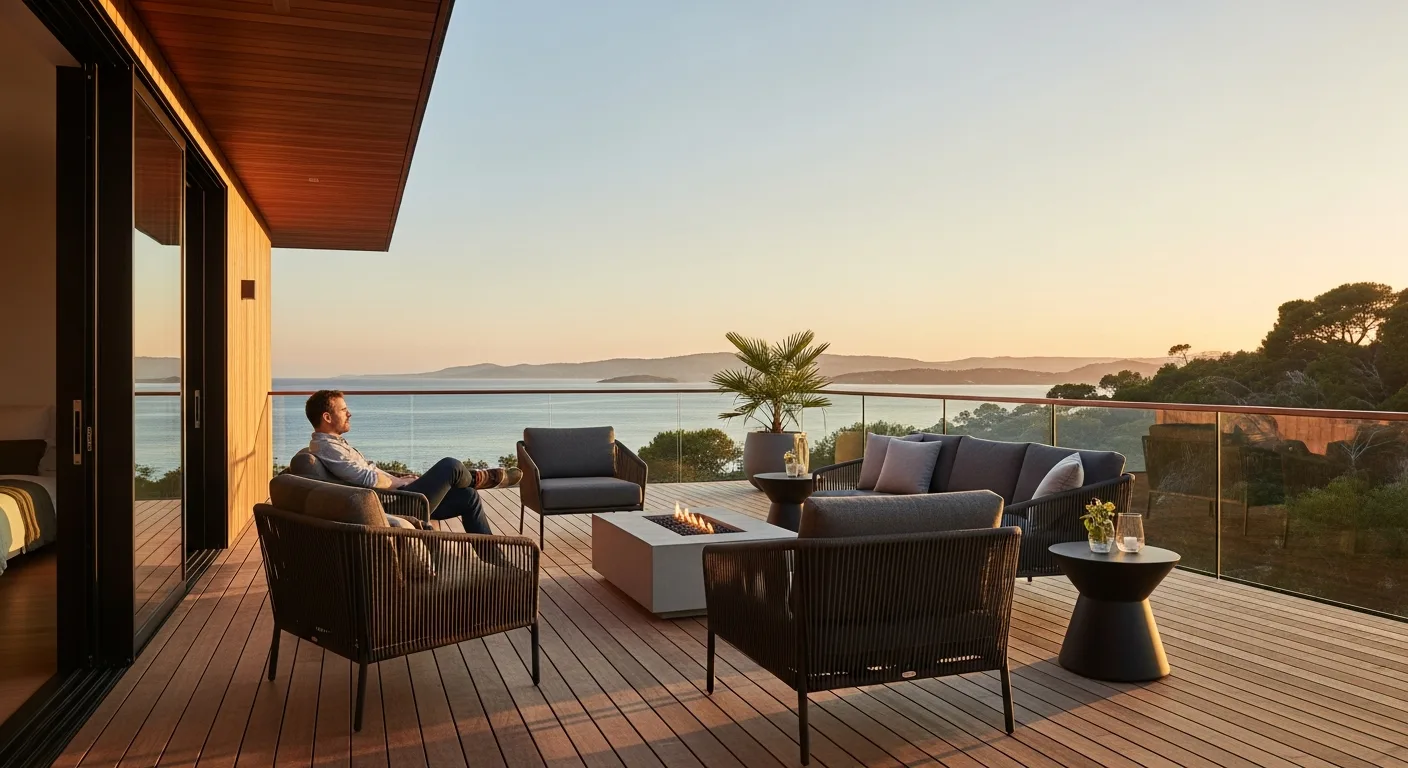
- The Lounge Zone: Often anchored by a sectional or a pair of deep-seated club chairs. This area should be placed in the most scenic corner of the deck.
- The Transition Zone: Keeping walkways clear is vital. For those working with specific structural constraints, such as those found in a mobile home deck or porch setup, choosing slim-profile furniture is a smart way to maximize square footage without sacrificing comfort.
Essential Furniture Pieces for the Modern Deck
In 2026, the trend leans toward multi-functional furniture. A man looking to optimize his deck should look for pieces that serve more than one purpose. For example, an ottoman with built-in storage provides a place to kick up his feet while keeping outdoor cushions dry during a storm.
Fire pit tables have also become a staple for the modern deck. These units provide warmth and ambiance while doubling as a coffee table when the burner is covered. For seating, modular sectionals offer the most flexibility, allowing him to reconfigure the arrangement depending on whether he is hosting a large barbecue or enjoying a quiet evening alone.
Enhancing Comfort with Textiles and Lighting
Furniture alone doesn’t create a finished look; accessories provide the necessary layers of comfort. He should invest in solution-dyed acrylic fabrics (like Sunbrella) for his cushions. These fabrics are saturated with color to the core of the fiber, making them highly resistant to fading and mold.
Lighting is the final touch that extends the usability of the deck into the night. LED string lights draped overhead create a relaxed atmosphere, while solar-powered post caps provide subtle perimeter lighting. If he wants a more polished look, integrated stair lighting adds a level of safety and sophistication that elevates the entire outdoor experience.
Maintenance and Off-Season Protection
Even the most rugged furniture requires a baseline of care. He should make it a habit to wipe down his furniture once a month to prevent the buildup of pollen and dirt, which can lead to mildew. For metal frames, a simple wash with soapy water is usually sufficient.
When winter approaches, custom-fit furniture covers are a non-negotiable investment. While some materials are marketed as “all-weather,” shielding them from snow and ice will significantly extend their lifespan. If he has the space, storing smaller items like cushions and side tables in a shed or garage is the best way to keep them looking new for years to come.
Frequently Asked Questions
What is the best furniture for a deck with no roof?
For decks fully exposed to the sun and rain, powder-coated aluminum and HDPE (poly-lumber) are the best choices. These materials do not absorb water and are highly resistant to UV fading compared to traditional wood or cheap plastics.
How do I stop my deck furniture from blowing away?
He can use furniture weights, heavy-duty bungee cords, or choose heavier materials like wrought iron or solid teak. Additionally, grouping furniture together or placing it against a railing can help break the wind’s force.
Can I use an indoor rug on my deck?
No, he should avoid using indoor rugs outside. Indoor rugs trap moisture and will quickly develop mold. He should look for rugs specifically labeled as “indoor/outdoor,” typically made from polypropylene, which dries quickly and resists rot.