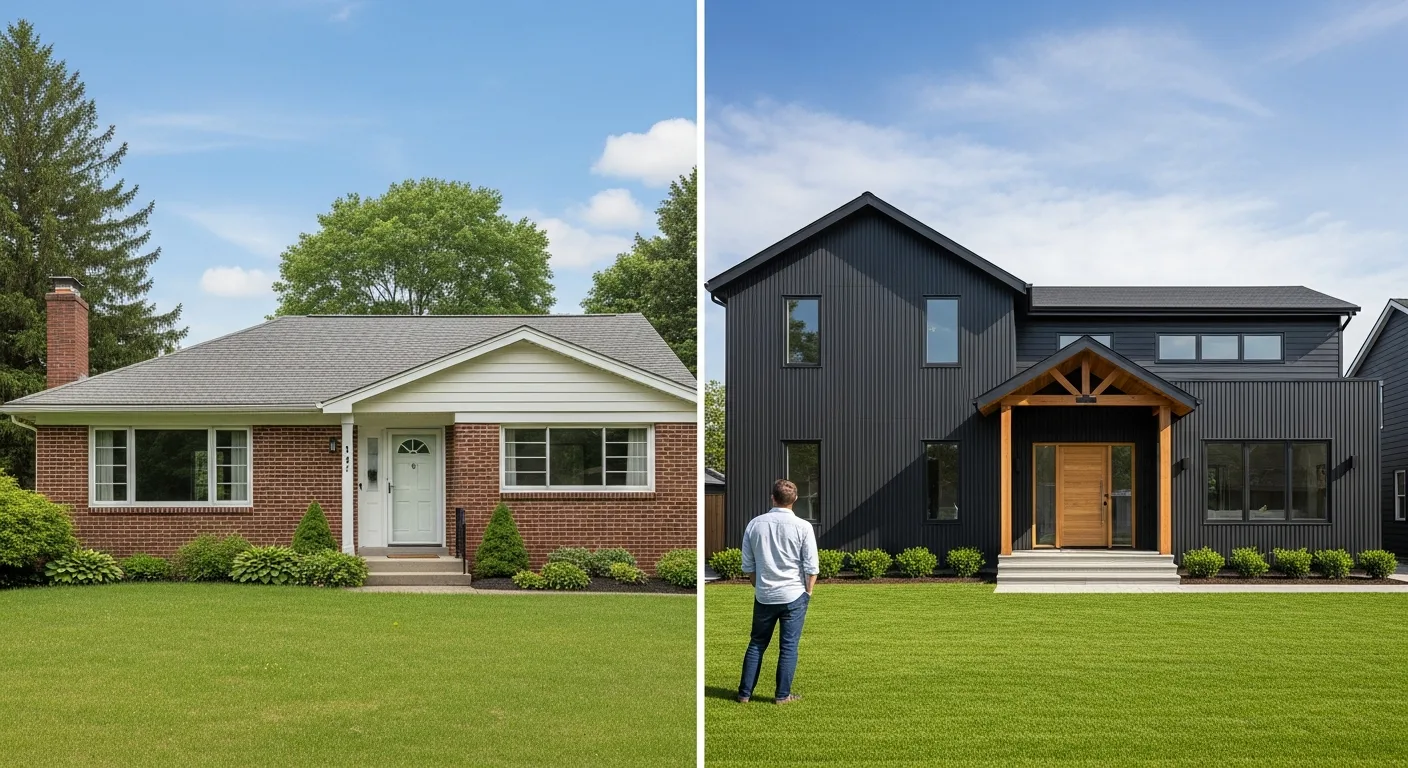
The Strategic Approach to Custom Home Renovations
A man’s home is more than just a shelter; it is a reflection of his personal standards and a significant financial asset. When he decides to move beyond basic repairs and into the realm of custom home renovations, he is choosing to tailor his environment to his specific lifestyle needs. This process requires more than just a vision; it demands a calculated strategy to ensure that every dollar spent translates into both comfort and equity.
Success in high-end remodeling starts with a clear understanding of the property’s current state. Before tearing down walls, a homeowner must evaluate the structural bones of his house. Following a strategic renovation roadmap ensures that he doesn’t overlook critical infrastructure like electrical loads or plumbing capacity while focusing on aesthetic upgrades.
Identifying High-ROI Custom Projects
Not all renovations are created equal. If a man wants to maximize his return on investment, he should focus on areas that define the home’s character and functionality. In 2026, the market rewards precision and high-quality materials over generic finishes.
- The Chef’s Kitchen: Custom cabinetry, integrated smart appliances, and natural stone countertops remain the gold standard.
- Master Suite Expansion: Creating a private sanctuary with a walk-in closet and a spa-like bathroom significantly boosts resale appeal.
- Smart Infrastructure: Integrating hidden tech, such as automated climate control and high-fidelity audio systems, appeals to the modern buyer.
- Outdoor Living: A custom-built deck or an outdoor kitchen extends the usable square footage of the home.
By staying informed on modern luxury trends, a man can avoid dated designs and implement features that will remain relevant for the next decade.
Budgeting and Financial Management
Financial discipline is the hallmark of a successful renovation. A man should never start a project without a 20% contingency fund. Unexpected issues—such as outdated wiring or hidden water damage—are common once the drywall comes off. He must demand detailed quotes from contractors that break down labor and material costs separately.
Fixed-price contracts are often preferable for custom work, as they protect the homeowner from price fluctuations in raw materials. He should also track his expenses meticulously to ensure the project doesn’t experience “scope creep,” where small additions eventually lead to a massive budget blowout.
Selecting the Right Craftsmanship
The difference between a mediocre renovation and a masterpiece lies in the skill of the tradesmen. A man should vet his contractors as if he were hiring for a high-level executive position. This involves checking recent references, verifying insurance, and viewing completed projects in person.
He should look for specialists rather than generalists for high-impact areas. A master carpenter will deliver a far superior finish on custom built-ins than a jack-of-all-trades. Clear communication is vital; he must ensure the lead contractor understands his expectations regarding timelines and the daily cleanliness of the job site.
Future-Proofing the Home
Customization should not just be about the present. A forward-thinking man considers how his needs might change. This includes incorporating energy-efficient windows, high-grade insulation, and perhaps even a dedicated home office with soundproofing. These features make the home more livable today and far more marketable in the future. He should prioritize timeless quality over fleeting fads, ensuring his home remains a bastion of style and function.
Frequently Asked Questions
How do I determine my renovation budget?
A man should start by researching the average cost of materials and labor in his specific zip code. He should then add a 20% buffer for unforeseen structural issues or design changes that occur mid-project.
Is it better to renovate or build new?
If the home has a strong foundation and is in a prime location, custom renovations are often more cost-effective. However, if the structural repairs exceed 50% of the home’s value, he might consider a full rebuild.
How long does a typical custom renovation take?
A major custom renovation usually spans three to six months, depending on the complexity. Delays in material shipping or permit approvals can extend this timeline, so he should plan for flexibility.
Which custom features add the most value in 2026?
High-efficiency HVAC systems, custom kitchen islands with built-in tech, and primary bathroom suites with heated flooring are currently yielding the highest returns for homeowners.