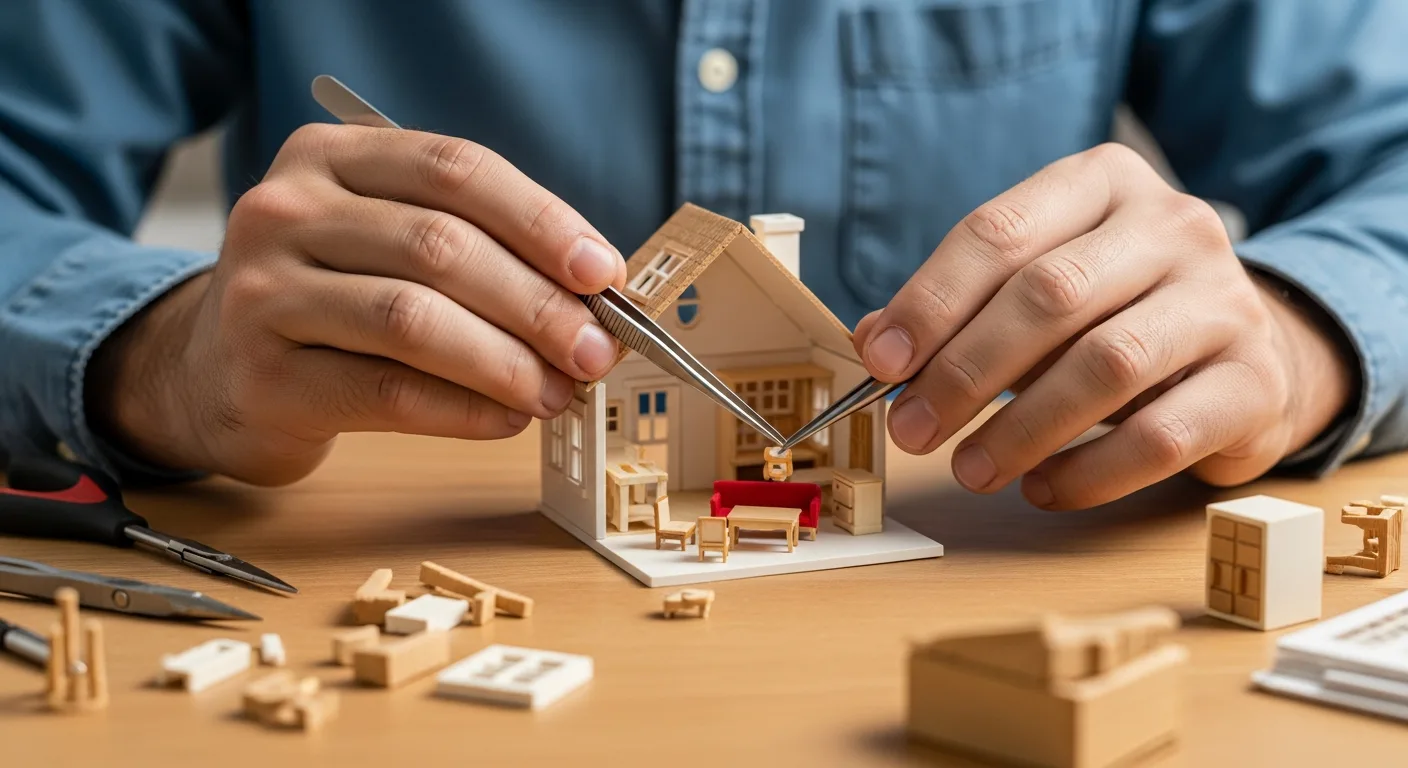
The Appeal of Building Small-Scale Worlds
There is a specific kind of satisfaction that comes from building a world from scratch. For the modern hobbyist, a diy miniature house kit offers more than just a craft project; it provides a deep, meditative focus that challenges his engineering skills and patience. Unlike digital entertainment, these kits require a man to use his hands, eyes, and logic to assemble intricate structures that mirror real-life architecture.
In 2026, the technology behind these kits has advanced significantly. Laser-cut wood, 3D-printed resin components, and integrated LED lighting systems make the assembly process both precise and rewarding. Whether he is a seasoned modeler or a newcomer, the process of turning a box of raw materials into a finished home is a powerful stress-reliever.
Choosing the Right Scale and Complexity
Before diving into a project, a builder must understand the scale. Most kits come in 1:12 or 1:24 scales. The 1:12 scale is the standard for traditional dollhouses, offering more room for detail and easier handling of furniture. The 1:24 scale is smaller, requiring a steadier hand and more precision, but it takes up less shelf space once completed.
- Beginner Kits: These usually focus on a single room, such as a study or a garage, and can be completed in a weekend.
- Intermediate Kits: These feature multi-story structures with basic wiring for lights.
- Advanced Kits: These are massive undertakings with complex architectural features, moving parts, and intricate landscaping.
Mastering the fine details requires patience, but following a specialized diy miniature house guide ensures his first build looks professional and structurally sound.
Essential Tools for a Professional Finish
While most kits include basic glue and tweezers, a serious builder knows he needs a dedicated toolkit to achieve a high-end result. Precision is everything when working with pieces that are often smaller than a fingernail.
High-quality tweezers with different tip shapes (angled and straight) are non-negotiable for placing tiny decor. A sharp craft knife with replaceable blades ensures clean cuts on wooden tabs, preventing splintering. For adhesives, he should have a variety on hand: clear-drying tacky glue for wood and fabric, and a specialized plastic cement for resin parts.
If he is looking for a larger-scale project, exploring a comprehensive diy house kit guide can help him transition from miniatures to full-sized structures, applying the same principles of assembly and structural integrity.
Customization and Weathering Techniques
The real magic happens when a builder moves beyond the instruction manual. Customizing a kit allows a man to put his personal stamp on the design. He might choose to repaint the exterior using acrylics to match a specific architectural style or add “weathering” to make the house look lived-in.
Using dry-brushing techniques, he can add soot to a chimney or wear-and-tear to a doorstep. Adding miniature plants, gravel paths, or even tiny newspapers on the porch creates a sense of realism that a standard out-of-the-box build lacks. This level of detail is what separates a toy from a collector’s piece.
Integrating Lighting and Electronics
Modern kits almost always include LED lighting, but the wiring can be a hurdle for the uninitiated. A builder must learn basic circuitry to hide wires behind walls or under floorboards. Using a copper tape system instead of traditional wires can keep the profile slim and the interior looking clean.
In 2026, many hobbyists are even integrating smart sensors into their miniatures, allowing the lights to flicker or turn on via a remote. This technical aspect appeals to the man who enjoys tinkering with electronics as much as he enjoys the aesthetic side of the build.
Displaying and Protecting the Masterpiece
After spending dozens of hours on a build, protecting it from dust and humidity is the final step. A custom acrylic display case is the best way to showcase the work while keeping it pristine. He should place his finished house in a spot away from direct sunlight to prevent the paint and fabrics from fading over time.
Displaying these houses on a dedicated shelf or within a library setup turns a hobby into a conversation piece, reflecting the builder’s dedication to craftsmanship and his eye for detail.
Frequently Asked Questions
How long does it take to finish a miniature house kit?
A simple room kit might take 10 to 15 hours, while a full-scale, multi-story house can easily require 50 to 100 hours of focused work, depending on the level of customization.
What is the best glue for miniature houses?
A fast-drying, clear-drying tacky glue is best for most components. For structural wood pieces, a standard wood glue provides a stronger bond, while super glue is useful for metal or plastic accents.
Do I need to be an artist to build these?
No. The kits come with pre-cut pieces and step-by-step instructions. As long as he can follow a diagram and has a steady hand, any man can successfully complete a kit.
Are the tools included in the box?
Most kits include basic tools like a small bottle of glue and simple tweezers, but these are often lower quality. It is highly recommended to invest in a professional hobby tool set for better results.