The Concept of a Living Family Legacy
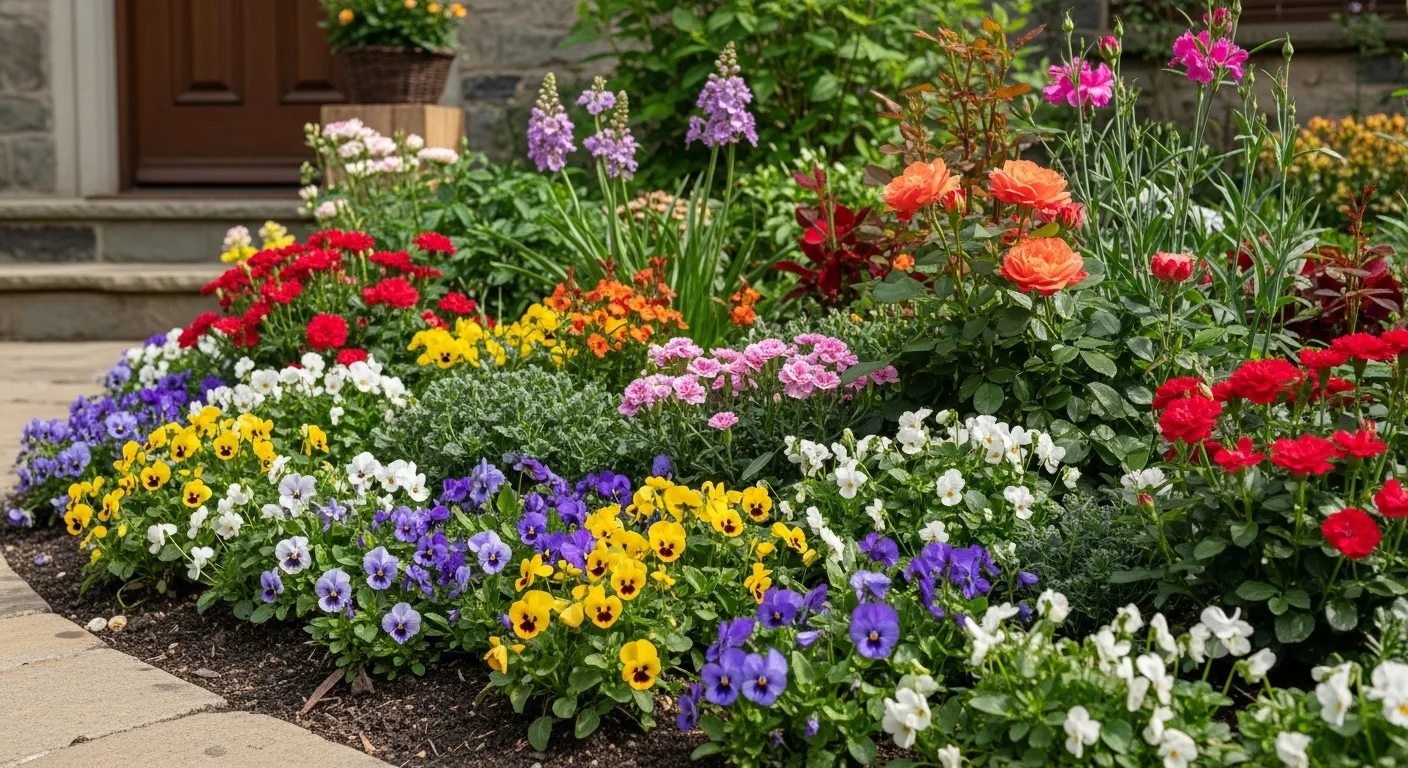
Imagine walking into a backyard and seeing a vibrant tapestry of colors that isn’t just aesthetically pleasing, but deeply personal. A birth flower garden serves as a living tribute to the people you care about most. Instead of a random assortment of perennials, a man can curate a space where every bloom represents the birth month of a family member, creating a botanical family tree that evolves with the seasons.
This approach to landscaping moves beyond simple curb appeal. It tells a story. Whether he is planting a small corner plot or a sprawling estate garden, the selection of these specific flowers adds a layer of intentionality that standard gardens lack. It is a project that requires patience, but the result is a deeply rewarding sanctuary.
Monthly Birth Flowers and Their Symbolism
To start this project, he must first understand which flowers correspond to each month. Each bloom carries its own history and symbolic weight, much like birthstones.
- January (Carnation): Known for their ruffled petals and hardy nature, carnations symbolize fascination and distinction.
- February (Violet): These delicate flowers represent loyalty and faithfulness.
- March (Daffodil): As one of the first signs of spring, they symbolize rebirth and new beginnings.
- April (Daisy): Representing innocence and purity, daisies are resilient and cheerful.
- May (Lily of the Valley): These bell-shaped blooms signify sweetness and humility.
- June (Rose): A classic choice representing love and gratitude in a variety of colors.
- July (Larkspur): These tall, striking spikes symbolize strong bonds of love.
- August (Gladiolus): Named after the Latin word for sword, they represent strength and moral integrity.
- September (Aster): These star-like flowers are symbols of wisdom and valor.
- October (Marigold): Known for their golden hues, they represent passion and creativity.
- November (Chrysanthemum): A symbol of honesty and longevity.
- December (Narcissus): These represent hope and the idea that the sun will stay bright.
Planning Your Garden Layout
Designing the layout is where the vision comes to life. He should consider the growth habits of each plant. For instance, tall Gladiolus should be placed in the back of a border, while low-growing Violets or Daisies belong at the front. A circular design can represent the cycle of the year, with flowers arranged chronologically around a central focal point.
Before digging, it is vital to assess the environment. Most birth flowers require at least six hours of sunlight. He should also ensure the ground is nutrient-rich. Using the best soil for vegetable garden beds or high-quality organic compost will give these specific blooms the foundation they need to thrive year after year.
Enhancing the Visual Appeal
A birth flower garden shouldn’t just look good during the day. To truly appreciate the textures and colors of the petals after the sun goes down, he can integrate subtle illumination. Choosing the best landscape lighting selection allows him to highlight specific “birth months” and creates a sophisticated atmosphere for evening relaxation.
Adding hardscaping elements like stone markers engraved with the names of family members next to their respective flowers can further personalize the space. This turns the garden into a conversational piece and a clear map of his family’s history.
Maintenance and Seasonal Care
A successful garden requires more than just planting; it requires consistent stewardship. He must be mindful of the different watering needs for each species. While Roses might need deep, regular soaking, Marigolds are often more drought-tolerant once established.
Deadheading—the process of removing faded blooms—is essential to encourage new growth and keep the garden looking tidy. He should also apply a layer of mulch in the late autumn to protect the roots of perennial birth flowers from harsh winter freezes, ensuring they return with vigor the following spring.
Frequently Asked Questions
Can I plant a birth flower garden in containers?
Yes, many birth flowers like Violets, Marigolds, and Carnations thrive in pots. This is an excellent option if he has limited yard space or wants to keep the garden on a patio or balcony.
What if a birth flower isn’t hardy in my zone?
If a specific flower like the Water Lily (July) isn’t practical for his climate, he can look for the secondary birth flower for that month. Most months have two options, providing flexibility for different geographic locations.
Are birth flowers perennials or annuals?
It is a mix. Roses and Chrysanthemums are perennials that come back every year, while Marigolds and Sweet Peas are typically grown as annuals. He will need to replant the annual varieties each spring to maintain the garden’s full design.