The Shift Toward Private Training Environments
The walk from a man’s bedroom to his garage is significantly shorter than the drive to a commercial fitness center. This simple reality has driven a massive surge in men investing in their own iron. However, the decision to bypass the local club in favor of a personal setup isn’t just about distance. It involves a calculated look at financial investment, training psychology, and spatial logistics.
Before he pulls the trigger on a power rack or a high-end treadmill, he needs to understand that home fitness equipment is a double-edged sword. While it offers unparalleled freedom, it also places the entire burden of maintenance and motivation squarely on his shoulders.
The Primary Benefits of Owning Home Fitness Equipment
The most immediate advantage is unrestricted access. A man with a home gym never has to wait for a squat rack or deal with the frustration of a crowded locker room. He trains on his own schedule, whether that is at 4:00 AM before work or late at night when the local gym would be closed.
- Hygiene and Privacy: He doesn’t have to worry about the previous user’s sweat or poorly maintained machines. The equipment is as clean as he keeps it.
- Atmosphere Control: He chooses the music, the temperature, and the intensity. There are no distractions from other members or social pressure to move faster.
- Long-Term Cost Savings: While the initial price tag is high, the elimination of monthly dues, gas money, and parking fees often means the equipment pays for itself within two to three years.
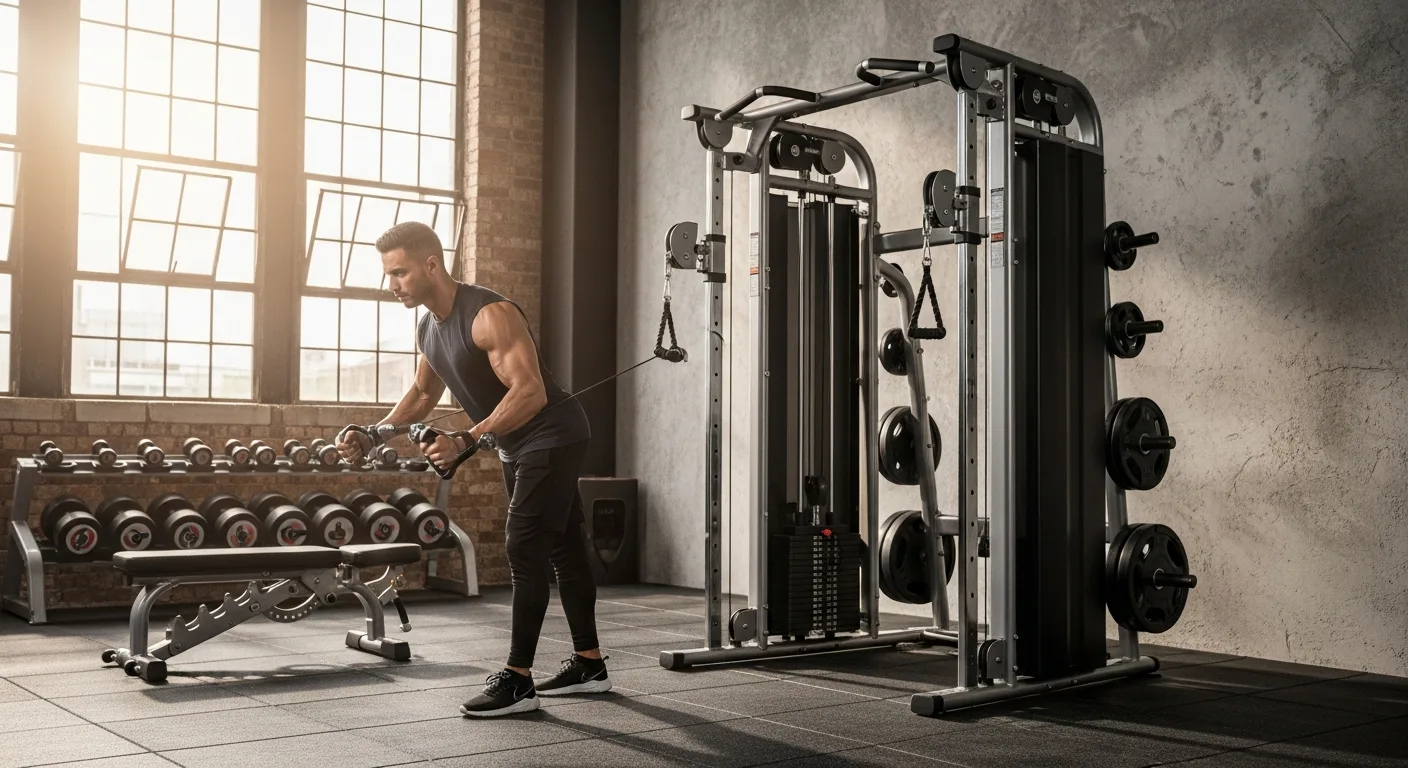
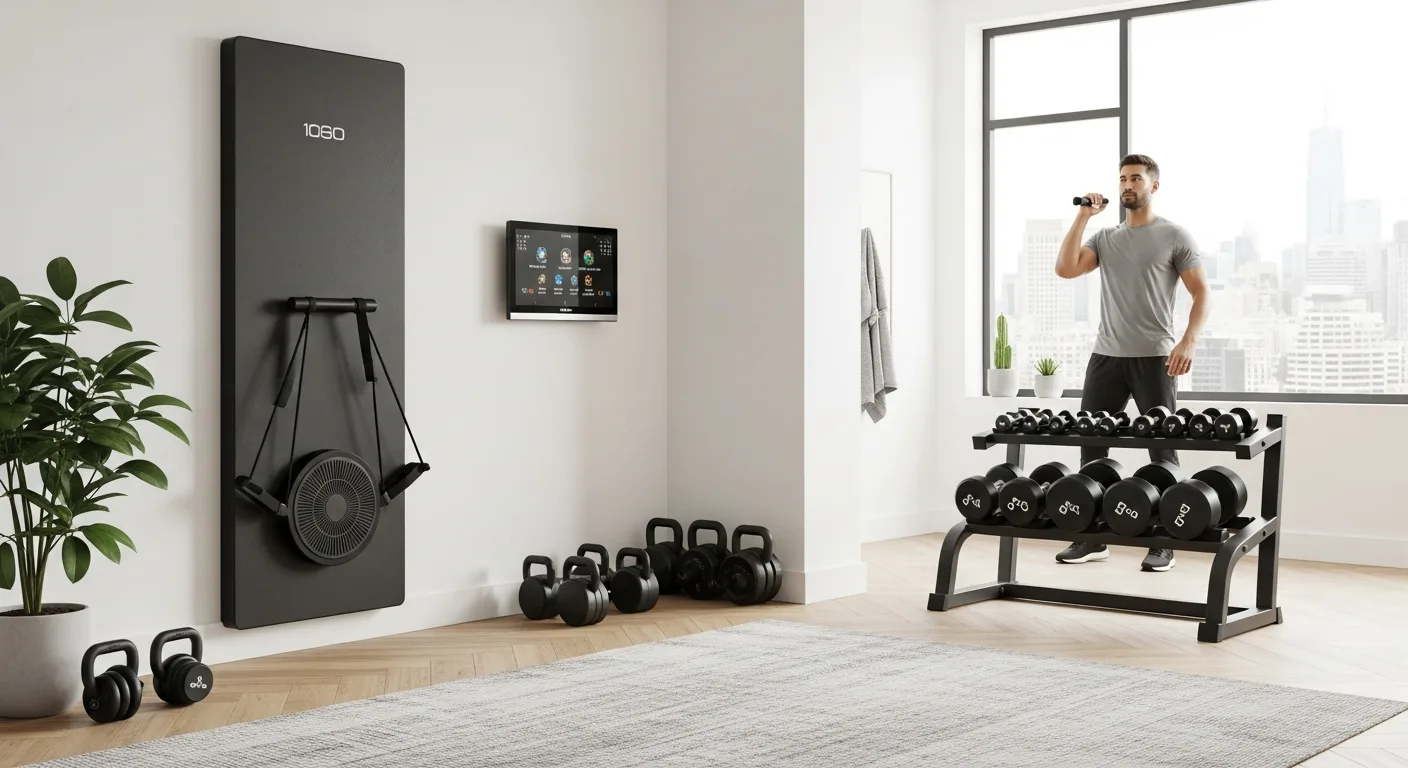
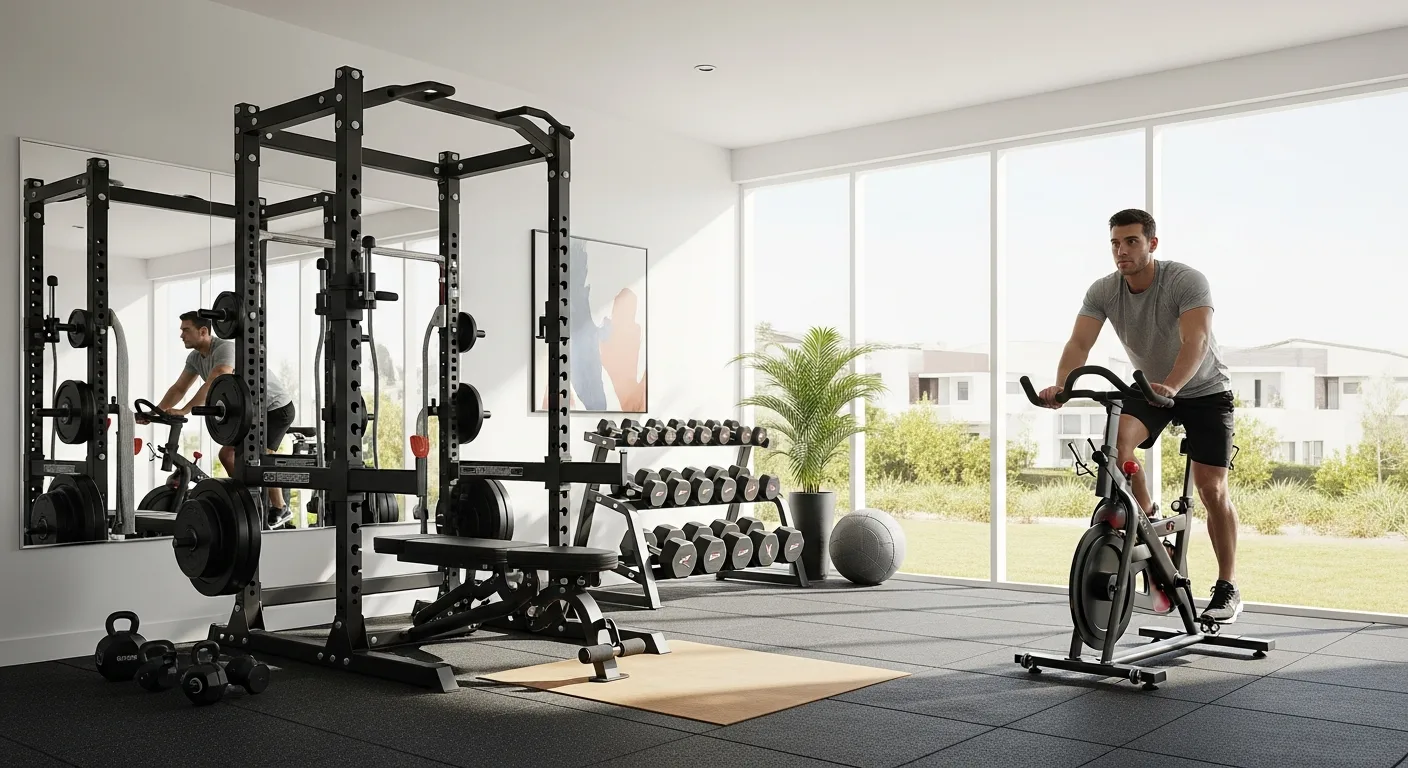
When a man begins designing a home gym, he creates a sanctuary tailored specifically to his physiological goals, ensuring every piece of gear serves a distinct purpose in his routine.
The Financial and Spatial Drawbacks
The most significant hurdle is the upfront capital. Quality equipment is expensive. A commercial-grade barbell and bumper plates can cost more than a year’s worth of premium gym membership. If he opts for cheap, low-quality gear, he risks injury or the frustration of equipment that feels flimsy and unstable under heavy loads.
Space is the second major constraint. A comprehensive setup requires a dedicated area. If he lives in a smaller residence, he may find that a power rack and a bench quickly consume his entire spare room or half of his garage. Without proper planning for the equipment layout, the space can become cluttered, making it difficult to perform dynamic movements safely.
The Psychological Challenge: Motivation vs. Convenience
One of the most overlooked drawbacks is the loss of the “third space.” For many men, the gym is a place to escape the stresses of home and work. When the gym is inside the home, that psychological boundary disappears. It becomes much easier to skip a workout when the couch is only twenty feet away.
Furthermore, training alone lacks the competitive energy of a commercial environment. He won’t have a spotter for his heaviest sets, which can limit his progress on movements like the bench press or squat unless he invests in high-quality safety pins and racks. The lack of social accountability means he must rely entirely on his internal discipline to stay consistent.
Maintenance and Equipment Longevity
In a commercial gym, if a cable snaps or a motor burns out, it is someone else’s problem. At home, he is the technician. Home fitness equipment requires regular maintenance to stay safe and functional:
- Lubrication: Treadmill belts and guide rods on cable machines need consistent oiling to prevent friction damage.
- Rust Prevention: If his gym is in a garage, he must manage humidity to prevent his barbells and plates from oxidizing.
- Bolt Tightening: Heavy use causes vibrations that loosen the hardware on benches and racks over time.
Final Verdict: Is It Right for Him?
Buying home fitness equipment is an excellent move for the man who is already disciplined and knows exactly how he likes to train. It is a poor investment for the beginner who hasn’t yet established a consistent habit, as the equipment often ends up serving as an expensive clothes rack. If he values his time and prefers a focused, solitary training environment, the benefits of a home setup far outweigh the initial costs and maintenance requirements.
Frequently Asked Questions
Is a home gym cheaper than a gym membership?
In the long run, yes. While the initial cost of quality gear can range from $1,000 to $5,000, the lack of monthly fees usually results in a break-even point within 24 to 36 months.
What is the most essential piece of home fitness equipment?
For most men, a sturdy power rack with safety bars and a high-quality Olympic barbell are the foundation of a versatile home gym, allowing for hundreds of different strength-building exercises.
How much space do I need for a basic home gym?
A basic setup with a rack and bench typically requires at least an 8′ x 8′ area. However, he should also account for ceiling height, especially if he plans on performing overhead presses or pull-ups.