Understanding the Concept of Back House Room Additions
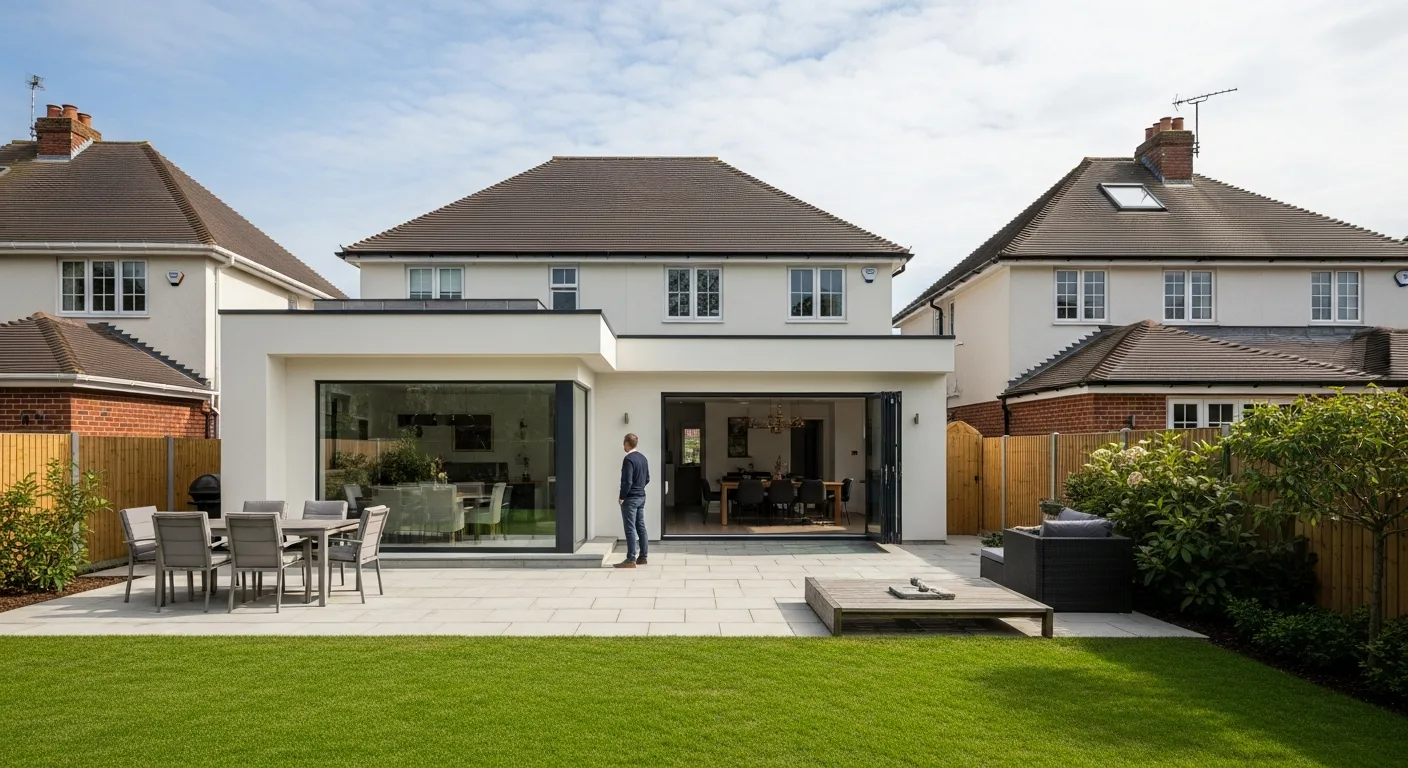
A back house room addition is one of the most strategic ways a homeowner can expand his living environment. Whether he is looking for a quiet sanctuary or a functional area for his hobbies, extending the footprint toward the rear of the lot provides a level of privacy that side or front additions rarely offer. In 2026, these structures have evolved from simple “bump-outs” into sophisticated architectural statements that blend seamlessly with the original residence.
Strategic Planning for Your Backyard Expansion
Before a homeowner picks up a hammer, he must navigate the complexities of local building codes. Every municipality has specific rules regarding setbacks, which dictate how close he can build to his property line. Ignoring these regulations can lead to costly fines or the requirement to demolish the new structure.
When he begins the design phase, he should focus on structural harmony. The goal is to make the addition look like it was part of the original blueprint. This involves matching the roofline, siding materials, and window styles. He should also spend time calculating project timelines and using reliable estimators to ensure the construction process does not drag on indefinitely.
Popular Functional Uses for Back House Additions
The versatility of a back house addition allows it to serve multiple purposes. Depending on his specific needs, a man can customize the space to suit his lifestyle perfectly.
- The Executive Home Office: With more men working remotely, a dedicated office at the back of the house provides the necessary quiet and separation from daily household distractions.
- The Master Suite Retreat: Relocating the primary bedroom to a new back addition can provide a homeowner with a private view of his garden and direct access to outdoor living spaces.
- Multi-Generational Living: A back house addition can serve as a guest house or “in-law” suite, providing a male relative with his own independent living quarters while remaining close to the family.
Maximizing ROI and Property Worth
Beyond the immediate benefit of extra square footage, these additions are a significant financial investment. A well-executed project is a primary driver for boosting the overall market worth of his residence. In a competitive real estate market, a home with a functional, modern back addition stands out to potential buyers who value turnkey living spaces.
He should also consider the energy efficiency of the new space. Integrating modern insulation and high-efficiency HVAC systems ensures that the addition does not become a drain on his monthly utility budget. By choosing durable materials, he minimizes future maintenance tasks, allowing him to enjoy the space for years to come.
Navigating the Construction Process
Once the plans are finalized and the permits are secured, the homeowner enters the construction phase. He should maintain clear communication with his contractor to ensure the work stays on schedule. It is vital for him to monitor the foundation work closely, as the structural integrity of the addition depends on a solid base that accounts for local soil conditions and drainage patterns.
Frequently Asked Questions
Do I need a permit for a back house room addition?
Yes, almost all jurisdictions require a building permit for any structural addition. A homeowner must submit detailed plans to his local building department to ensure the project meets safety and zoning standards.
How much does a back house addition typically cost?
Costs vary widely based on the size, materials, and complexity of the build. On average, a homeowner might expect to pay anywhere from $200 to $500 per square foot, depending on the level of luxury and the local labor market.
Can a back house addition be detached from the main home?
Yes, a detached addition is often referred to as an Accessory Dwelling Unit (ADU). While it offers more privacy, it may have different zoning requirements and utility connection challenges compared to an attached room.
How long does the construction process take?
A standard room addition usually takes between three to six months from the start of demolition to the final inspection. He should account for potential weather delays or supply chain issues when planning his schedule.