The Critical Role of High-Performance Windows
Most homeowners ignore their windows until a draft makes the living room feel like a meat locker or a seal failure fogs up the view. In 2026, windows are no longer just transparent holes in the wall; they are sophisticated components of a home’s thermal envelope. Choosing the right set can slash energy costs by up to 30% while significantly dampening outside noise from traffic or neighbors.
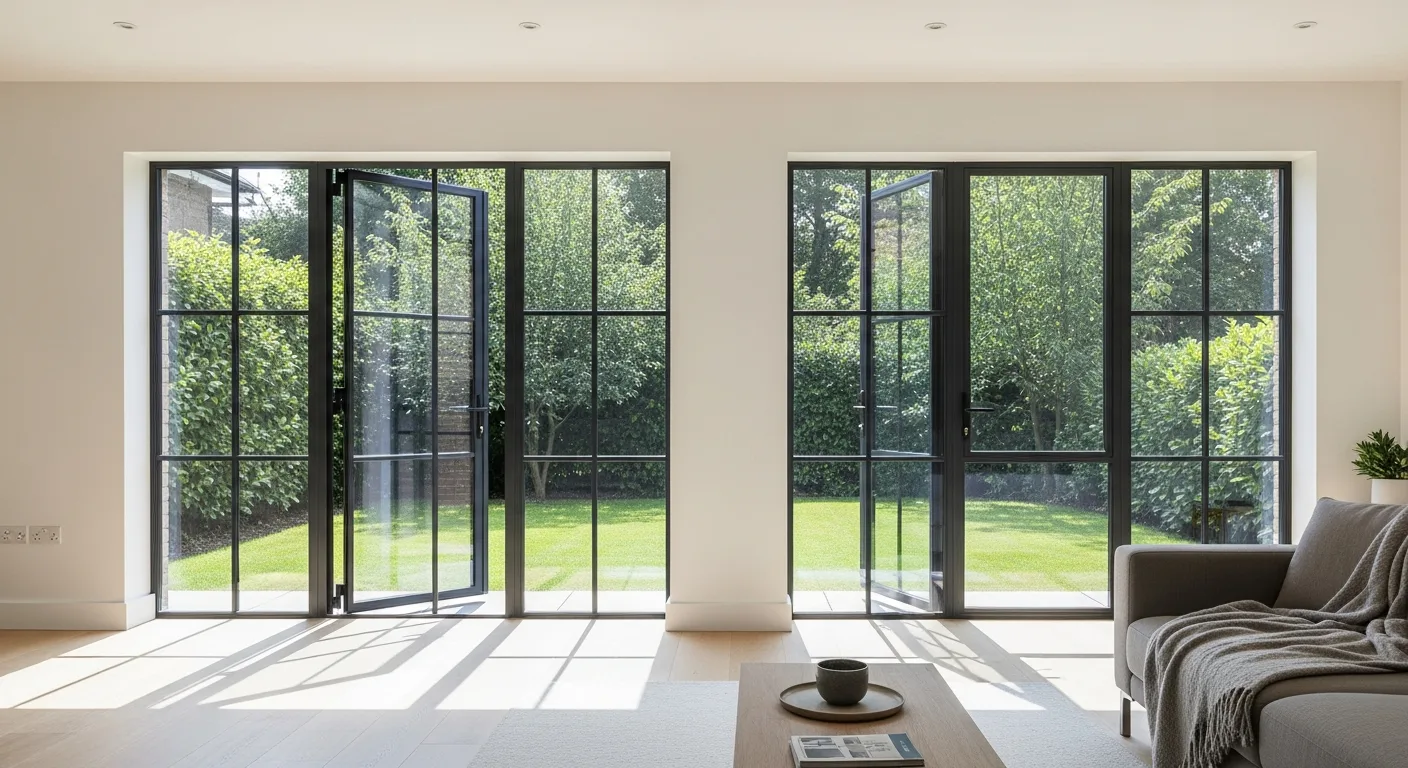
When a man decides to upgrade his property, he must weigh the initial investment against long-term durability. High-quality windows are one of the few renovations that offer a tangible return on investment by improving thermal regulation and curb appeal. If he is looking at increasing home value before a sale, modern black-frame windows or high-efficiency casements are often the first things buyers notice.
Frame Materials: Comparing Vinyl, Wood, and Fiberglass
The frame material dictates how much maintenance a man will face over the next twenty years. Each material handles temperature fluctuations and moisture differently.
Vinyl Windows
Vinyl remains the most popular choice for a reason. It is cost-effective, requires zero painting, and offers excellent insulation thanks to multi-chambered frames that trap air. Modern vinyl is treated with UV stabilizers to prevent the yellowing and brittleness that plagued older models. It is the go-to option for a homeowner who wants a “set it and forget it” solution.
Fiberglass Windows
Fiberglass is the heavyweight champion of durability. Because it is made from glass fibers and resin, it expands and contracts at nearly the same rate as the glass panes themselves. This means seals are less likely to fail over time. While more expensive than vinyl, fiberglass frames can be painted, giving a man more flexibility if he decides to change his home’s color scheme later.
Wood Windows
Nothing beats the classic aesthetic of real wood. It offers the best natural insulation and a premium feel that synthetic materials cannot replicate. However, wood requires a commitment. A man must be prepared to sand and repaint or stain them every few years to prevent rot. For historic homes, wood is often the only choice to maintain architectural integrity.
Glass Technology: Beyond Double Panes
In 2026, double-pane glass is the bare minimum. To truly optimize a home, triple-pane glass with Argon or Krypton gas fills is the gold standard. These gases are denser than air, providing a superior barrier against heat transfer.
- Low-E Coatings: These microscopic metallic layers reflect infrared light. In the summer, they keep heat out; in the winter, they reflect heat back into the room.
- Spectrally Selective Coatings: These allow visible light through while blocking specific solar heat wavelengths, perfect for south-facing rooms that tend to overheat.
- Laminated Glass: If security or soundproofing is a priority, laminated glass features a plastic interlayer that makes it nearly impossible to shatter.
Choosing the Right Style for Functionality
The way a window opens—or doesn’t—impacts both ventilation and security. A man should choose styles based on the specific needs of each room.
Casement windows are ideal for catching side breezes, as the sash acts like a sail to funnel air inside. They also offer the tightest seal because the sash presses firmly against the frame when cranked shut. Double-hung windows are the traditional choice, allowing him to open the top sash to let hot air escape while keeping the bottom sash closed for safety.
For those living in manufactured housing, the requirements can differ slightly. It is important to look for specialized mobile home windows that fit the thinner wall profiles and specific structural needs of those units without sacrificing energy performance.
Professional Installation vs. DIY
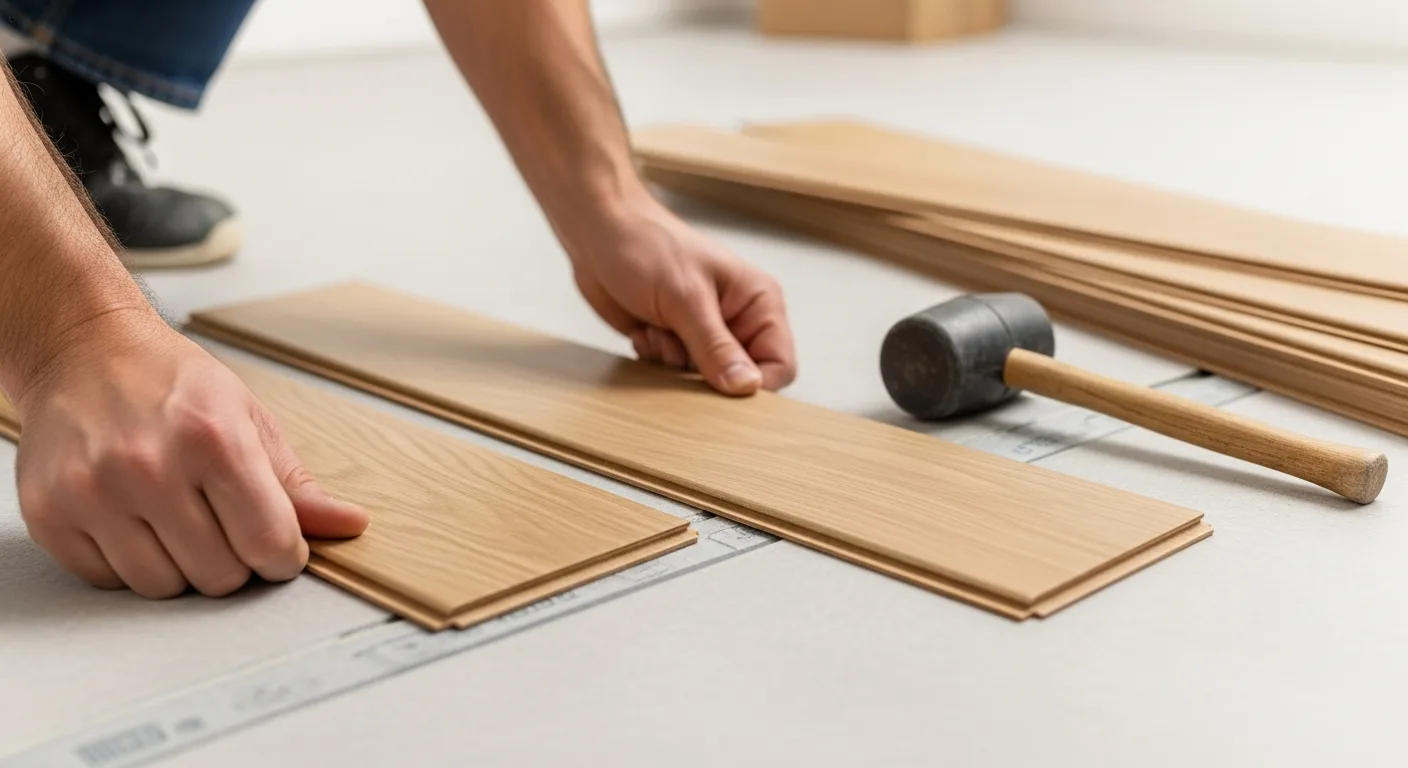
Even the most expensive window will fail if the installation is botched. Proper flashing and shimming are required to ensure the window is level, square, and watertight. If a man is not experienced with structural headers and moisture barriers, hiring a certified installer is the smarter move. A professional ensures the manufacturer’s warranty remains valid—a crucial detail if a seal fails five years down the line.
Frequently Asked Questions
How long do modern windows typically last?
High-quality vinyl and fiberglass windows generally last between 20 and 50 years. Wood windows can last even longer if they are meticulously maintained, though the insulated glass units (IGUs) within them may need replacement after 20 years when the gas seals naturally degrade.
Are triple-pane windows worth the extra cost?
In colder climates, yes. The energy savings and the significant reduction in condensation make them a wise investment. In more temperate zones, the jump from double-pane to triple-pane may take longer to pay for itself in energy savings alone.
Can I replace just the glass instead of the whole window?
If the frame is in excellent condition but the seal has failed (causing fogging), a man can opt for moisture remediation or glass-only replacement. However, if the frame is warped or rotting, a full-frame replacement is necessary to restore efficiency.