Creating a productive home office goes beyond just a desk and chair—it’s about crafting an environment that minimizes distractions and maximizes focus. In today’s remote work era, noise from household activities, street traffic, or even HVAC systems can derail your concentration, leading to decreased efficiency and increased stress. By integrating principles of home office feng shui with practical acoustic solutions, you can transform your workspace into a sanctuary of calm and productivity. This guide explores how to effectively soundproof your home office and design layouts that promote mental clarity, whether you’re in a dedicated room or a corner of your living space. From affordable DIY hacks to professional installations, we’ll cover everything you need to achieve optimal acoustics and ergonomic flow.
To optimize home office feng shui for focus, combine soundproofing techniques like sealing gaps and adding acoustic panels with layout strategies that position your desk in a “command position” away from noise sources. Use soft furnishings, rugs, and strategic furniture placement to absorb sound and create a balanced, distraction-free environment that enhances productivity.
Understanding Home Office Acoustics: Why Sound Matters
Acoustics in a home office refer to how sound behaves in your space, including echoes, reverberation, and noise transmission. Poor acoustics can lead to:
- Difficulty concentrating during calls or deep work
- Increased fatigue from constant background noise
- Privacy concerns if conversations are overheard
- Reduced audio quality in virtual meetings
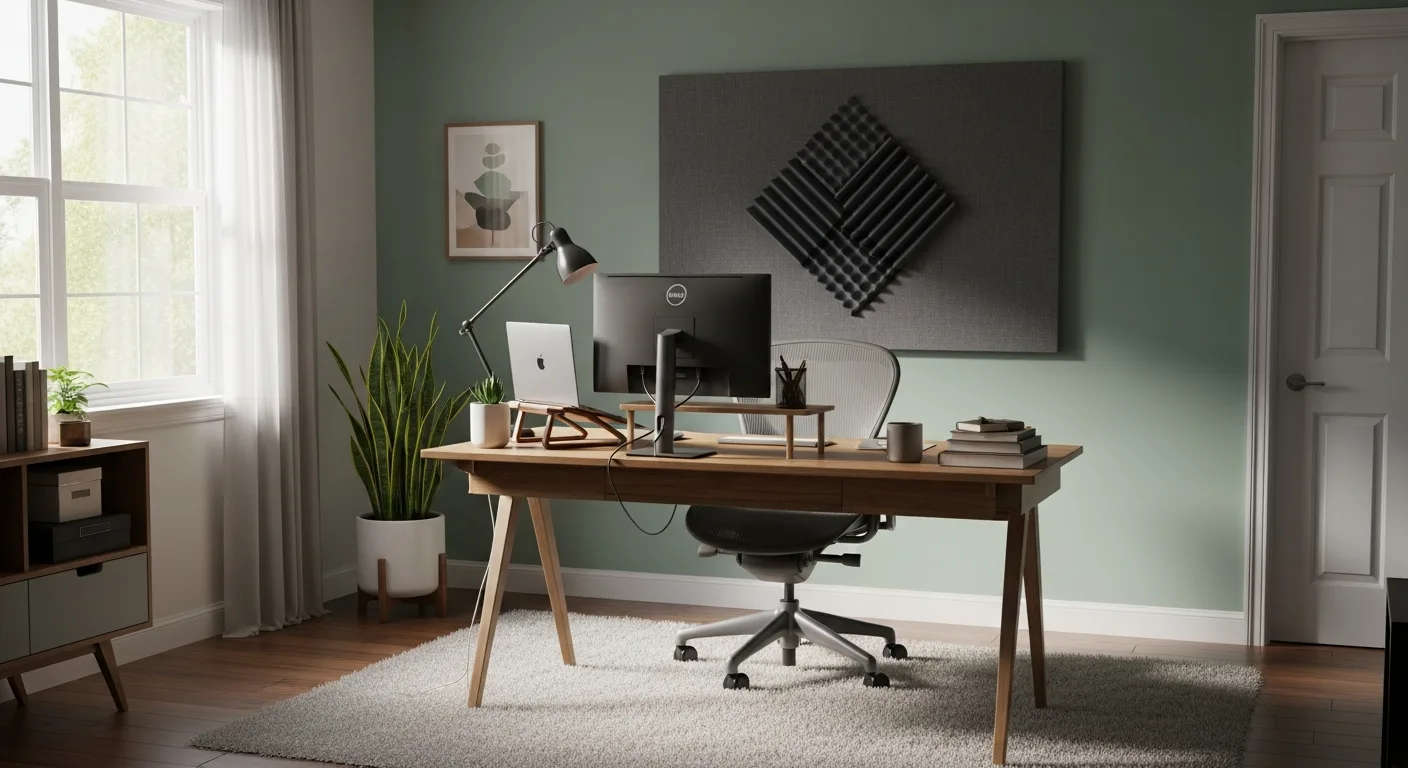
By addressing these issues, you not only improve your work output but also support your overall well-being. For example, integrating acoustic panels for home office setups can significantly dampen echoes, making your space feel more serene. This aligns with feng shui principles that emphasize harmony and balance, as noise disruption is considered a form of negative energy. If you’re dealing with other household distractions, consider exploring game room design ideas to create separate zones for family activities, reducing noise spillover into your workspace.
Soundproofing a Home Office: Practical Techniques
Soundproofing a home office involves blocking or reducing unwanted noise from entering or leaving the room. Start with these steps:
- Seal Gaps and Cracks: Use weatherstripping or acoustic caulk around doors, windows, and electrical outlets to prevent sound leaks.
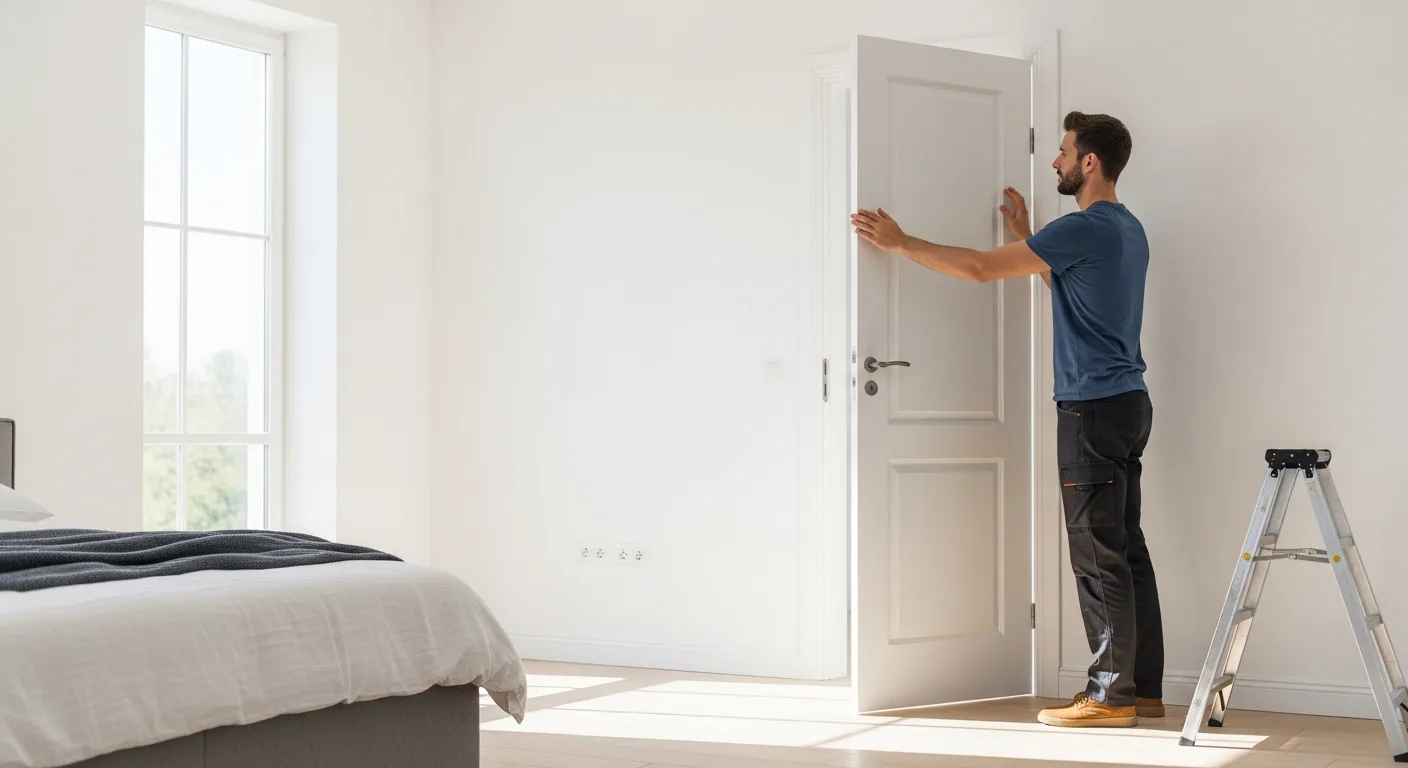
- Upgrade Doors and Windows: Install solid-core doors and double-pane windows to create better barriers against external noise.
- Add Mass to Walls: Consider adding extra drywall or mass-loaded vinyl to walls, especially in shared living spaces.
- Use Sound-Absorbing Materials: Incorporate rugs, curtains, and upholstered furniture to absorb sound waves within the room.
For a comprehensive approach, pair these methods with acoustic panels for home office walls and ceilings. These panels come in various styles, from functional foam to decorative fabric covers, allowing you to blend aesthetics with performance. If you’re renovating other areas of your home, check out luxury home renovation ideas for inspiration on integrating high-end acoustic solutions seamlessly into modern designs.
Home Office Layout Ideas for Optimal Flow
Your office layout plays a crucial role in both acoustics and feng shui. Follow these home office layout ideas to enhance focus:
- Command Position: Place your desk so you face the door but are not directly in line with it, reducing surprises and noise intrusion.
- Zone Your Space: Create distinct areas for different tasks (e.g., a quiet corner for focused work vs. a spot for calls) to manage sound levels.
- Use Furniture as Barriers: Position bookshelves or cabinets against shared walls to add mass and block sound.
- Incorporate Plants: Plants not only improve air quality but also help diffuse sound—a key aspect of feng shui for vitality.
For those working in basements or unconventional spaces, optimizing layout can be challenging. Learn more about feng shui home office setup tips tailored to basements and low-light areas, ensuring your workspace remains balanced and productive. Additionally, if you’re dealing with HVAC noise, understanding home HVAC systems can help you address airflow sounds that disrupt acoustics.
Comparing Acoustic Solutions: DIY vs. Professional
| Solution Type | Cost Estimate | Effectiveness | Best For |
|---|---|---|---|
| DIY Acoustic Panels | $50-$200 | Moderate (reduces echoes) | Budget-friendly upgrades |
| Professional Soundproofing | $500-$2000+ | High (blocks external noise) | Noisy environments or shared walls |
| Furniture and Textiles | $100-$500 | Low to Moderate (absorbs sound) | Quick fixes and aesthetic boosts |
| Window and Door Upgrades | $200-$1000 | High (prevents noise entry) | Offices near streets or busy areas |
This table helps you decide based on your needs and budget. Remember, combining multiple methods often yields the best results. For instance, DIY panels can complement furniture arrangements to create a layered acoustic defense. If you’re also enhancing other home systems, consider whole home humidifier installation to maintain comfort without adding noisy equipment to your office.
Integrating Feng Shui with Acoustic Design
Home office feng shui focuses on arranging your space to promote positive energy (chi) and reduce stress. When paired with acoustic improvements, it can transform your productivity. Key principles include:
- Declutter Regularly: Clutter traps stagnant energy and can amplify noise by creating hard surfaces—keep your desk tidy.
- Balance Elements: Incorporate wood (e.g., desks), metal (e.g., filing cabinets), and water (e.g., a small fountain) to harmonize the room’s energy and sound.
- Optimize Lighting: Use natural light where possible, as it reduces eye strain and supports a calm atmosphere, indirectly improving acoustic perception.
- Position for Serenity: Avoid placing your desk under beams or near loud appliances, aligning with both feng shui and noise reduction goals.
By applying these tips, you create a workspace that feels intuitively peaceful. For more on creating harmonious environments, explore spiritual home cleansing techniques to clear negative energy that might affect your focus.
FAQs: Home Office Acoustics and Feng Shui
How can I soundproof a home office on a budget?
Start with low-cost solutions like sealing gaps with weatherstripping, adding thick rugs or curtains, and DIY acoustic panels made from foam or fabric. These methods can reduce echoes and block minor noise without a large investment.
What are the best acoustic panels for a home office?
Look for panels with a high Noise Reduction Coefficient (NRC), such as foam or fabric-wrapped options. Choose styles that match your decor—many brands offer decorative panels that blend seamlessly with modern or rustic interiors.
How does feng shui improve home office focus?
Feng shui promotes balance and flow of energy, reducing mental clutter and distractions. By positioning furniture thoughtfully and incorporating natural elements, you create a serene environment that enhances concentration and reduces stress-related noise sensitivity.
Can plants help with office acoustics?
Yes, plants with broad leaves can absorb sound waves and reduce reverberation. They also add a calming visual element, supporting feng shui principles of bringing nature indoors for vitality.
What’s the difference between soundproofing and acoustic treatment?
Soundproofing blocks noise from entering or leaving a room (e.g., sealing walls), while acoustic treatment improves sound quality within the room (e.g., reducing echoes with panels). For a home office, a combination of both is ideal.
How do I layout a small home office for good acoustics?
Use vertical space with wall-mounted shelves to avoid floor clutter, position your desk away from doors or windows to minimize noise intrusion, and incorporate soft materials like a padded chair or fabric wall hangings to absorb sound.
Are there feng shui colors that aid focus?
Neutral tones like beige or soft blues promote calmness, while greens encourage growth and balance. Avoid overly bright colors that might cause visual noise and distraction.
Can smart home devices help with office acoustics?
Yes, smart speakers with noise-canceling features or smart thermostats that reduce HVAC noise can improve your acoustic environment. For setup tips, refer to smart home electrical installation guides.