Home oxygen concentrators are vital medical devices that provide life-sustaining oxygen therapy for individuals with respiratory conditions like COPD, asthma, or pulmonary fibrosis. Proper maintenance and knowing how to troubleshoot common issues can ensure reliable operation, prevent costly repairs, and extend the lifespan of your equipment. Whether you’re using a stationary unit like the Drive DeVilbiss 5 liter home oxygen concentrator or a portable model, understanding basic care is essential for safety and effectiveness. This guide covers essential maintenance routines, troubleshooting steps for alarms like oxygen machine beeping, and practical tips to keep your concentrator running smoothly at home.
To fix an oxygen concentrator at home, start by checking for common issues: ensure the power cord is securely plugged in, clean or replace filters if clogged, verify the tubing isn’t kinked or blocked, and restart the device. For beeping alarms, consult the manual to identify the error code—often related to low oxygen purity, overheating, or power problems. Regular maintenance, like weekly filter cleaning and monthly inspections, can prevent many problems. If issues persist, contact the manufacturer or a certified technician, as DIY repairs on internal components can void warranties or cause safety hazards.
Essential Maintenance for Home Oxygen Concentrators
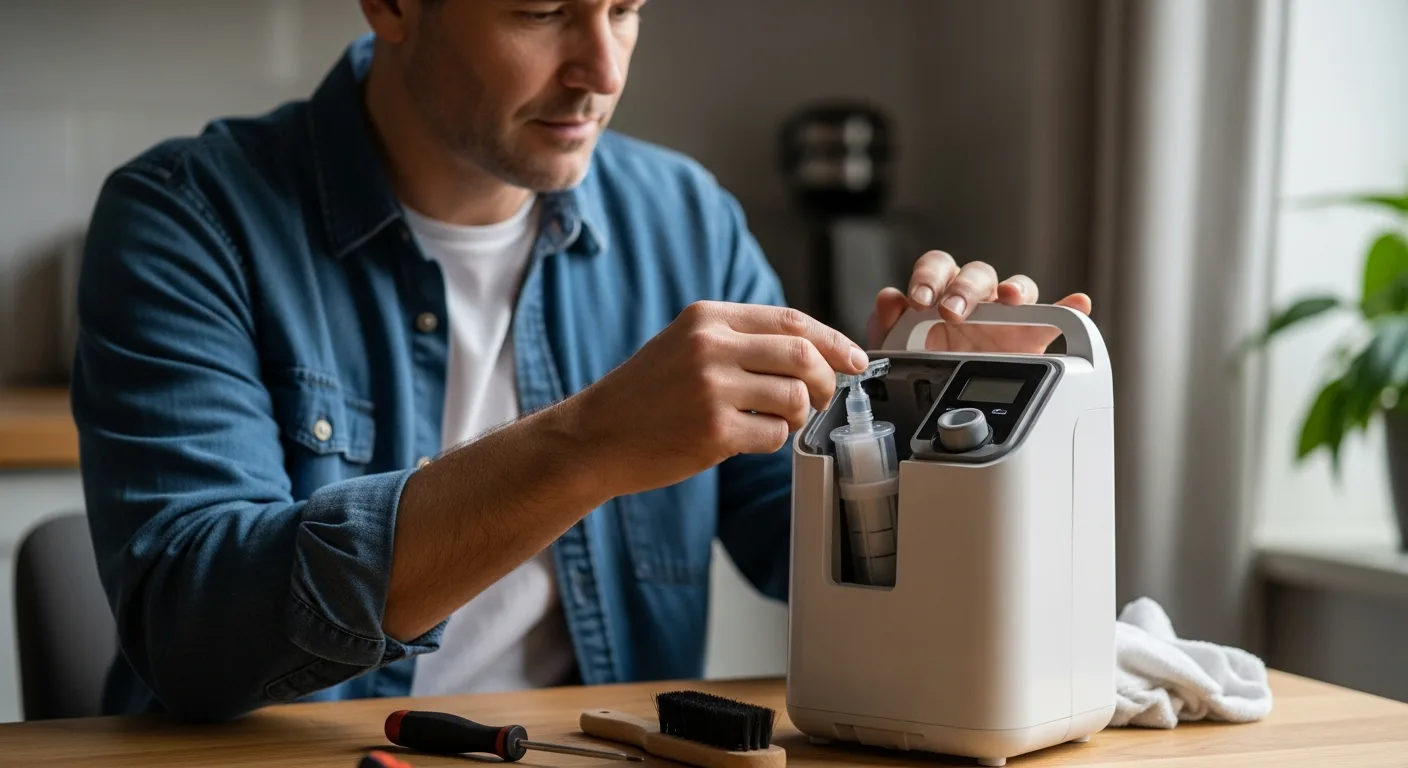
Regular maintenance is key to preventing breakdowns and ensuring your oxygen concentrator delivers the prescribed oxygen levels. Neglecting care can lead to reduced efficiency, increased noise, or even device failure. Follow these steps to keep your unit in top condition, similar to how understanding home HVAC components helps maintain heating and cooling systems.
- Daily Tasks: Wipe the exterior with a damp cloth to remove dust, check that the air intake vents are unobstructed, and ensure the power cord is undamaged.
- Weekly Tasks: Clean the inlet filter—usually located on the back or side—by rinsing it under cool water and letting it air dry completely before reinserting. Inspect the tubing for cracks or blockages.
- Monthly Tasks: Replace the outlet filter (if applicable), check the humidifier bottle for mineral buildup and clean it with vinegar solution, and verify the oxygen purity with a pulse oximeter if available.
- Annual Tasks: Schedule a professional service check to calibrate sensors, inspect internal parts, and ensure compliance with medical standards.
Troubleshooting Common Oxygen Concentrator Problems
When your oxygen concentrator malfunctions, quick troubleshooting can often resolve issues without needing a technician. Focus on safety first—never open the casing unless instructed, as this can expose you to electrical hazards. Here’s a guide to common problems and fixes, akin to home AC troubleshooting for leaks and frozen coils.
- Oxygen Machine Beeping or Alarms: Identify the alarm type (e.g., continuous beep, intermittent). Common causes include low oxygen purity (check filters and tubing), overheating (ensure vents are clear and room is cool), or power fluctuations (use a surge protector). Reset the device by turning it off, unplugging for 5 minutes, and restarting.
- Low Oxygen Output: Verify the flow meter is set correctly, inspect tubing for kinks or leaks, and clean or replace filters. If using a humidifier, ensure it’s not overfilled, which can restrict flow.
- Device Won’t Turn On: Check the power outlet with another device, examine the fuse or circuit breaker, and ensure the power cord is firmly connected. For battery-powered portable units, recharge or replace the battery.
- Unusual Noises: Grinding or rattling sounds may indicate a loose internal part or failing compressor. Turn off the unit immediately and contact a technician to avoid further damage.
Drive DeVilbiss 5 Liter Home Oxygen Concentrator Care
The Drive DeVilbiss 5L is a popular stationary model known for its reliability, but it requires specific maintenance to perform optimally. Refer to the user manual for model-specific instructions, and consider these tailored tips.
- Filter Maintenance: This model typically has a foam inlet filter and a bacterial filter. Clean the foam filter weekly with mild soap and water, and replace the bacterial filter every 6-12 months or as recommended.
- Humidifier Use: If attached, use distilled water to prevent mineral deposits, clean the bottle every 3 days with a vinegar solution, and ensure it’s securely connected to avoid leaks.
- Alarm Codes: Familiarize yourself with common codes (e.g., E-01 for low oxygen, E-02 for high temperature). Keep the manual handy for quick reference during emergencies.
- Placement: Keep the unit on a flat, stable surface with at least 6-12 inches of clearance around vents to prevent overheating, similar to ensuring proper basement home theater acoustics and wiring for optimal performance.
Portable Oxygen Concentrator Maintenance Tips
Portable oxygen concentrators (POCs) offer mobility but need extra care due to their compact design and battery dependence. Regular upkeep ensures they’re ready for travel and daily use.
- Battery Care: Charge the battery fully before first use, avoid letting it drain completely, and store in a cool, dry place. Replace batteries every 2-3 years or as performance declines.
- Cleaning: Wipe the exterior with a disinfectant cloth, clean filters more frequently (often weekly) due to exposure to outdoor dust, and inspect the carrying case for wear.
- Travel Precautions: Secure the unit during transport to prevent jostling, use TSA-approved bags for flights, and carry spare filters and batteries.
- Performance Checks: Test the oxygen output regularly with a pulse oximeter, and monitor for reduced battery life as a sign of needed service.
Comparing Common Oxygen Concentrator Issues
Understanding the differences between problem types can help you diagnose issues faster. Use this table as a quick reference guide.
| Issue | Possible Causes | Quick Fixes |
|---|---|---|
| Beeping Alarm | Low oxygen purity, overheating, power issue | Clean filters, clear vents, reset device |
| Low Oxygen Flow | Clogged filters, kinked tubing, humidifier problem | Replace filters, straighten tubing, check humidifier |
| Unit Won’t Start | Power failure, blown fuse, faulty cord | Test outlet, check fuse, inspect cord |
| Unusual Noise | Loose parts, compressor failure | Turn off, contact technician |
When to Seek Professional Help
While many issues can be resolved at home, some require expert intervention to avoid safety risks or voiding warranties. Know when to call a professional, much like knowing when to hire an expert for advanced home inspections with thermal cameras.
- Internal Repairs: Never attempt to fix the compressor, sieve beds, or electrical boards yourself—these are complex components that need specialized tools.
- Persistent Alarms: If alarms continue after basic troubleshooting, it may indicate a sensor or internal fault needing calibration.
- Warranty Concerns: DIY repairs on sealed parts can invalidate warranties; always check the manufacturer’s guidelines first.
- Safety Issues: If you smell burning, see sparks, or suspect a gas leak, turn off the unit immediately and contact a technician or emergency services.
FAQs: Home Oxygen Concentrator Maintenance & Troubleshooting
How often should I clean my oxygen concentrator filters?
Clean the inlet filter weekly by rinsing with water and air-drying, and replace outlet or bacterial filters every 6-12 months, or as recommended in your manual. More frequent cleaning may be needed in dusty environments.
What does it mean when my oxygen concentrator beeps continuously?
A continuous beep often indicates a critical alarm, such as low oxygen purity, overheating, or a power failure. Check filters and vents, ensure proper airflow, and reset the device. Consult the manual for specific error codes.
Can I use tap water in the humidifier bottle?
It’s best to use distilled water to prevent mineral buildup that can clog the system and reduce oxygen flow. If distilled isn’t available, boil and cool tap water to minimize impurities.
How do I troubleshoot a Drive DeVilbiss 5L concentrator that won’t turn on?
First, verify the power outlet is working, check the fuse or circuit breaker, and ensure the power cord is securely connected. If issues persist, contact Drive DeVilbiss support, as internal electrical problems may require professional repair.
What maintenance does a portable oxygen concentrator need?
Portable units require regular battery care (full charging, avoiding complete drains), frequent filter cleaning due to travel exposure, and inspections for physical damage. Always follow the manufacturer’s guidelines for model-specific upkeep.
Is it safe to fix an oxygen concentrator at home myself?
Basic tasks like cleaning filters or checking tubing are safe, but avoid internal repairs. Tampering with electrical or mechanical parts can pose safety risks and void warranties. When in doubt, seek professional help, similar to consulting experts for emergency pet care at home.
Why is my oxygen concentrator producing less oxygen over time?
Reduced output can result from clogged filters, aging sieve beds, or compressor wear. Regular maintenance helps, but if output drops significantly, have a technician inspect the unit for potential part replacements.
How can I prevent my oxygen concentrator from overheating?
Ensure at least 6-12 inches of clearance around vents, place the unit in a well-ventilated area away from heat sources, and clean filters regularly to maintain airflow. Avoid using it on soft surfaces like beds or carpets that can block vents.