Why Custom Remodeling Beats Buying New in 2026
The decision to overhaul a current residence often stems from a simple realization: the house he bought years ago no longer reflects his current lifestyle or professional status. In 2026, the real estate market has made custom home remodeling a more financially sound move than navigating the volatility of new construction or high-interest acquisitions. By choosing to remodel, a homeowner retains his preferred location and school district while stripping away the dated aesthetics that hold the property back.
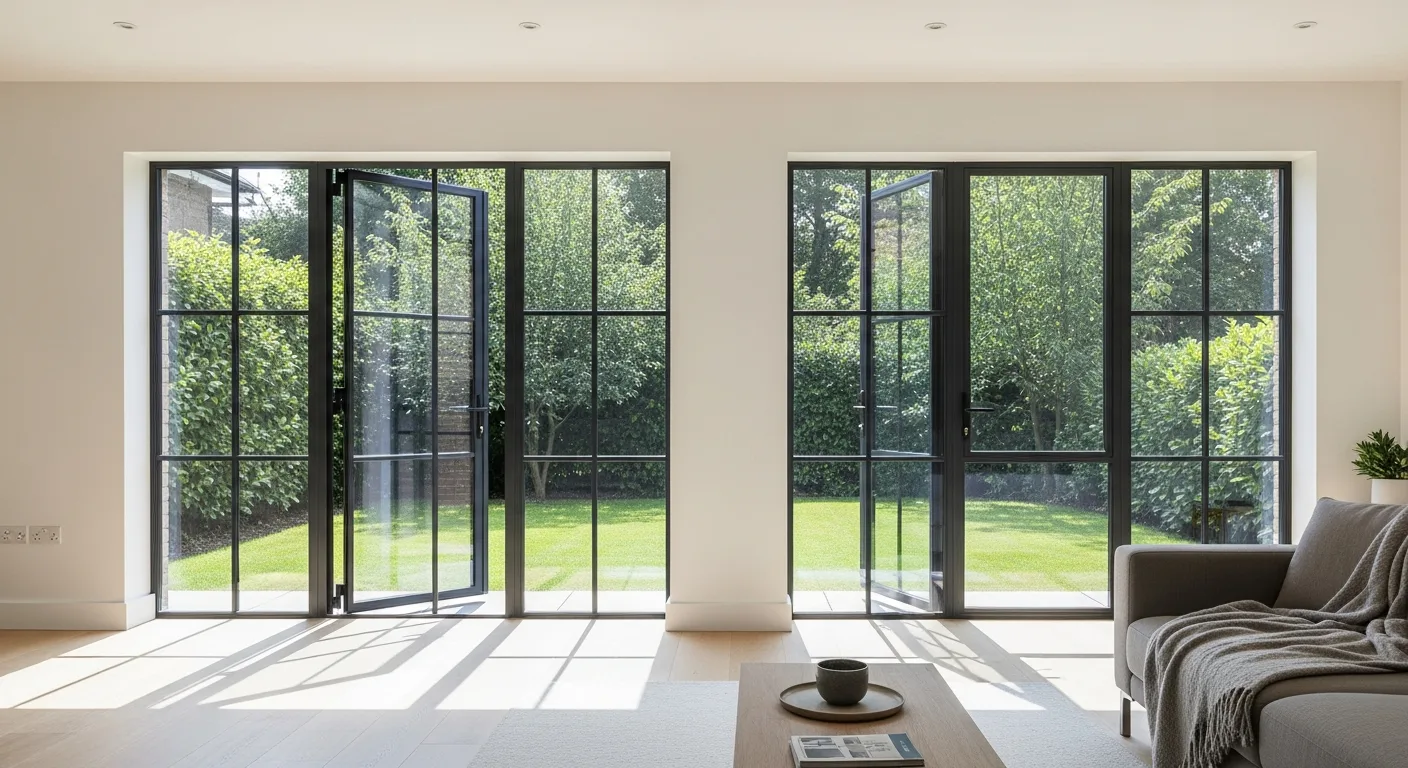
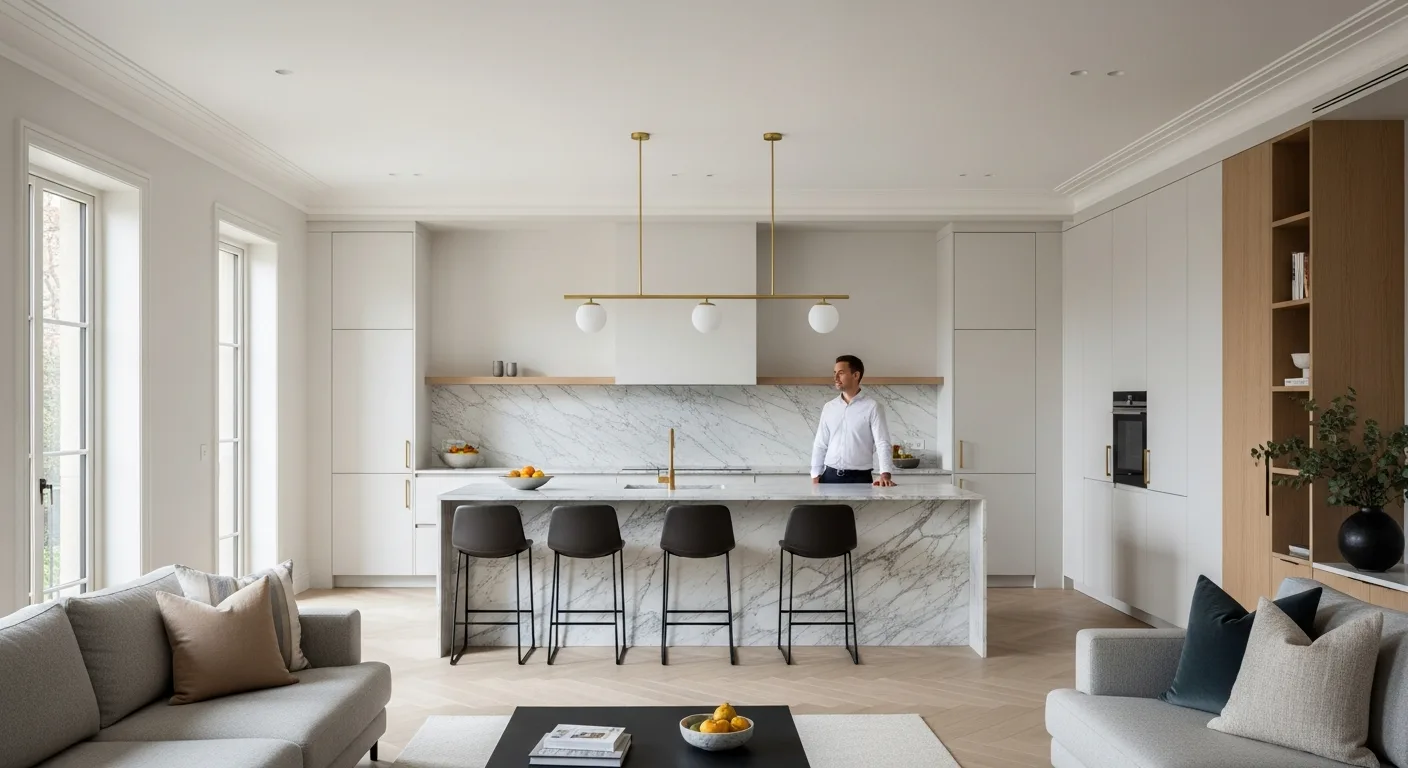
Customization allows a man to dictate every square inch of his environment. Whether he is expanding a master suite to include a private dressing room or knocking down walls to create a seamless flow between the kitchen and the lounge, the goal is functional luxury. Staying informed on luxury renovation trends contemporary designers are currently favoring ensures that the finished product isn’t just modern, but timeless.
Strategic Planning for a High-ROI Remodel
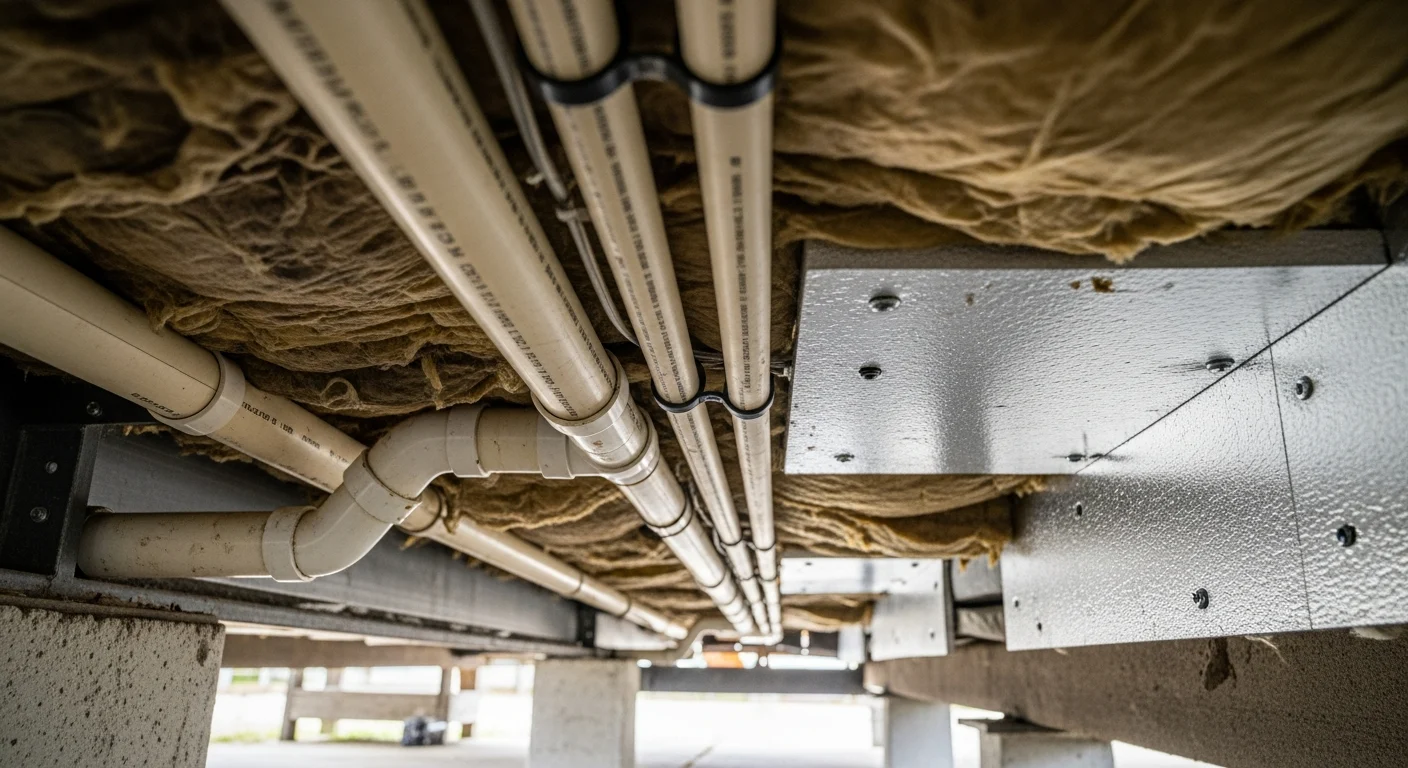
A successful remodel is never an accident; it is the result of rigorous engineering and financial foresight. He must start by identifying the structural limitations of his home. Before aesthetic choices like marble countertops or wide-plank oak flooring come into play, the underlying systems—plumbing, electrical, and HVAC—must be evaluated for their ability to handle modern loads.
- Budget Allocation: He should set aside a 15-20% contingency fund for the inevitable surprises found behind old drywall.
- Zoning and Permits: Navigating local building codes early prevents costly work-stoppages later in the project.
- Architectural Integrity: Ensuring the new additions flow naturally with the original footprint of the house.
Focusing on high-impact areas like the kitchen and primary bathroom is the most effective way of increasing home value info for future resale. Even if he plans to stay for a decade, building with an eye toward equity ensures his investment is protected.
Modern Tech and Smart Integration
In 2026, a custom remodel is incomplete without a robust technological backbone. We are past the era of simple smart bulbs; today’s homeowner integrates automated climate control, hidden acoustic systems, and high-speed networking into the very fabric of his walls. He wants a home that anticipates his needs—lights that dim as he enters the media room and security systems that provide real-time data without being intrusive.
This integration requires early collaboration between the general contractor and a low-voltage specialist. By pre-wiring during the “open wall” phase, he avoids the clutter of visible cables and the unreliability of purely wireless solutions. This foresight creates a sleek, masculine environment where technology serves the man, rather than complicating his daily routine.
Selecting the Right Remodeling Team
The difference between a stressful renovation and a successful transformation lies in the hands of the crew. He needs a lead contractor who communicates with precision and respects the timeline. Vetting a team involves more than just looking at a portfolio; he should speak with previous clients to understand how the contractor handles the inevitable friction of a large-scale project.
A professional team will provide a detailed Scope of Work that outlines every phase, from demolition to the final punch list. This document acts as his shield, ensuring that the quality of craftsmanship meets his standards and that the materials used are exactly what he paid for. When the contractor and the homeowner are in sync, the process moves from a series of tasks to a collaborative effort to build a legacy home.
Frequently Asked Questions
How long does a full custom home remodel typically take?
A comprehensive remodel usually spans four to eight months, depending on the scale. Structural changes or large additions can push this timeline further, especially if supply chain issues affect specialized materials.
Is it better to live in the home or move out during construction?
For major custom remodeling, moving out is highly recommended. The dust, noise, and lack of essential utilities like water or electricity can make daily life unbearable and may actually slow down the contractors’ progress.
What is the most expensive part of a custom remodel?
Labor and structural changes typically command the highest portion of the budget. Specifically, moving plumbing lines or load-bearing walls requires skilled tradesmen and engineering oversight, which carries a premium price tag.
How do I ensure my remodel doesn’t look dated in five years?
He should stick to high-quality, natural materials like stone, wood, and metal for the permanent fixtures. Trends should be reserved for easily replaceable items like furniture or paint colors, while the architecture remains classic.