Recognizing the Symptoms of Canine Ear Infections
A dog constantly shaking his head or scratching at his ears is a clear signal of distress. Before attempting any home treatment, he must identify the specific symptoms. Common signs include a pungent, yeast-like odor, visible redness inside the ear canal, and dark, waxy discharge. If the dog yelps when his ear is touched, the infection may have progressed beyond a simple surface irritation.
Safe Home Cleaning Solutions for Your Dog
For mild cases, a simple cleaning solution can help flush out debris and bacteria. A mixture of equal parts organic apple cider vinegar and purified water is a popular choice due to its antifungal properties. However, he should never use this if the ear is raw or bleeding, as the acidity will cause intense stinging. A saline solution—one teaspoon of salt dissolved in a cup of warm water—is a gentler alternative for rinsing away discharge.
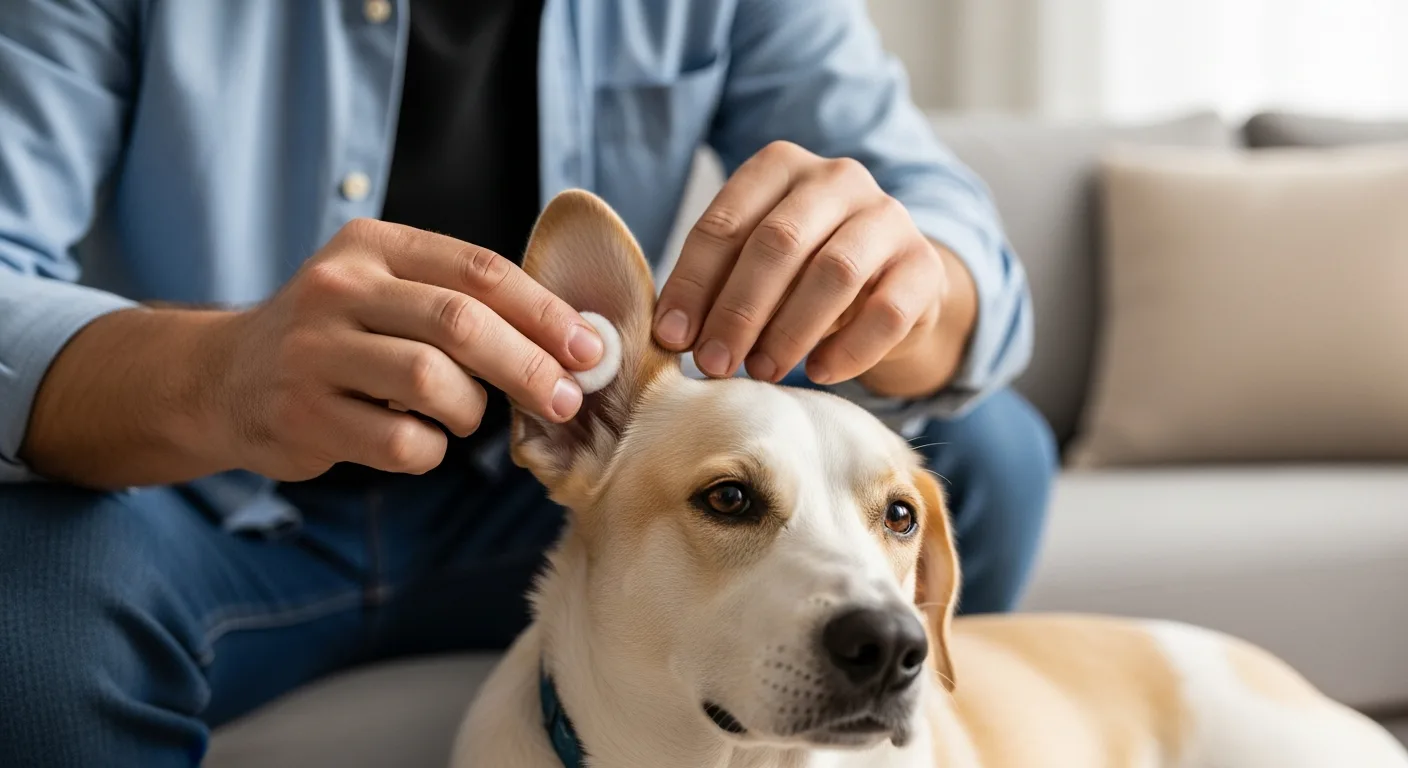
While many owners look for quick fixes, understanding holistic approaches to pet eye and ear health can provide a more sustainable path to recovery. Using a soft cotton ball soaked in the solution, he should gently wipe the accessible parts of the ear, avoiding the use of Q-tips which can push debris deeper into the canal.
Natural Remedies to Soothe Irritation
Coconut oil is highly regarded for its natural antibacterial and antifungal qualities. He can melt a small amount and, once cooled to room temperature, apply a few drops into the ear to soothe inflammation. Another effective option is cooled green tea, which contains antioxidants that help reduce swelling. Keeping a well-stocked kit and knowing essential pet first aid protocols ensures he is prepared for any sudden flare-ups.
The Correct Way to Clean a Dog’s Ears at Home
Proper technique is vital to prevent further injury. He should start by calming the dog and ensuring he is in a comfortable position. He can then squeeze a small amount of the chosen cleaner into the ear canal and massage the base of the ear for about 30 seconds. This helps break up the gunk trapped deep inside. He should allow the dog to shake his head—this is a natural way for the dog to expel the loosened debris—before wiping the outer ear clean with a dry cloth.
When to Stop Home Treatment and See a Vet
Home remedies are best suited for mild, external irritations. If the dog exhibits a loss of balance, walks in circles, or shows signs of extreme pain, the infection may have reached the middle or inner ear. A ruptured eardrum is a serious medical emergency that cannot be treated at home. If he notices blood or if the symptoms do not improve within 48 hours, he must seek professional veterinary assistance to prevent permanent hearing loss.
Preventing Recurring Ear Infections
Prevention is always more effective than a cure. He should make it a habit to dry the dog’s ears thoroughly after every bath or swim, as moisture is the primary breeding ground for yeast and bacteria. Regular inspections allow him to catch minor issues before they escalate. For dogs with floppy ears, ensuring proper airflow by gently cleaning the folds once a week can significantly reduce the risk of chronic infections.
Frequently Asked Questions
Can I use hydrogen peroxide to clean my dog’s ears?
No, hydrogen peroxide should be avoided. While it is a common household disinfectant, it can be too abrasive for the delicate lining of the ear canal and may cause irritation or damage to healthy tissue.
How often should I clean my dog’s ears at home?
For a healthy dog, once a month is usually sufficient. However, if the dog is prone to infections or spends a lot of time in the water, he may need his ears cleaned once a week to maintain proper hygiene.
Is it safe to use olive oil for dog ear infections?
Olive oil can help loosen wax and smother ear mites, but it does not treat the underlying bacterial or yeast infection. It is better used as a preventative measure or to soften debris before cleaning.