The Reality of Residential Demolition Costs
Tearing down a house is rarely as simple as swinging a wrecking ball and watching the walls crumble. For a homeowner, it is a calculated logistical operation that requires permits, safety inspections, and heavy machinery. In 2026, the average cost to demolish a house typically ranges between $8,000 and $25,000, though complex projects or larger structures can easily exceed $50,000.
He must consider that demolition is priced primarily by the square foot, usually falling between $4 and $15. However, the total price tag is heavily influenced by the home’s location, the materials used in its construction, and whether he chooses a full mechanical demolition or a more surgical deconstruction approach.
Primary Factors That Drive Demolition Expenses
Several variables dictate whether a quote stays on the lower end or spikes unexpectedly. Understanding these factors allows him to budget accurately before the first piece of equipment arrives on-site.
- Total Square Footage: Larger homes require more man-hours, larger dumpsters, and more fuel for machinery.
- Structural Materials: A wood-framed house is significantly cheaper to tear down than one built with brick, concrete, or heavy stone, which requires specialized crushing equipment.
- Hazardous Materials: Before the excavator arrives, he must ensure the structure is free of hazardous materials, as identifying asbestos in the house is a legal requirement that can significantly inflate the budget if professional abatement is needed.
- Foundation Removal: Some quotes only cover the structure above ground. If he needs the concrete slab or basement foundation removed and the hole filled with clean dirt, he should expect to pay an additional $2,000 to $7,000.
Mechanical Demolition vs. Deconstruction
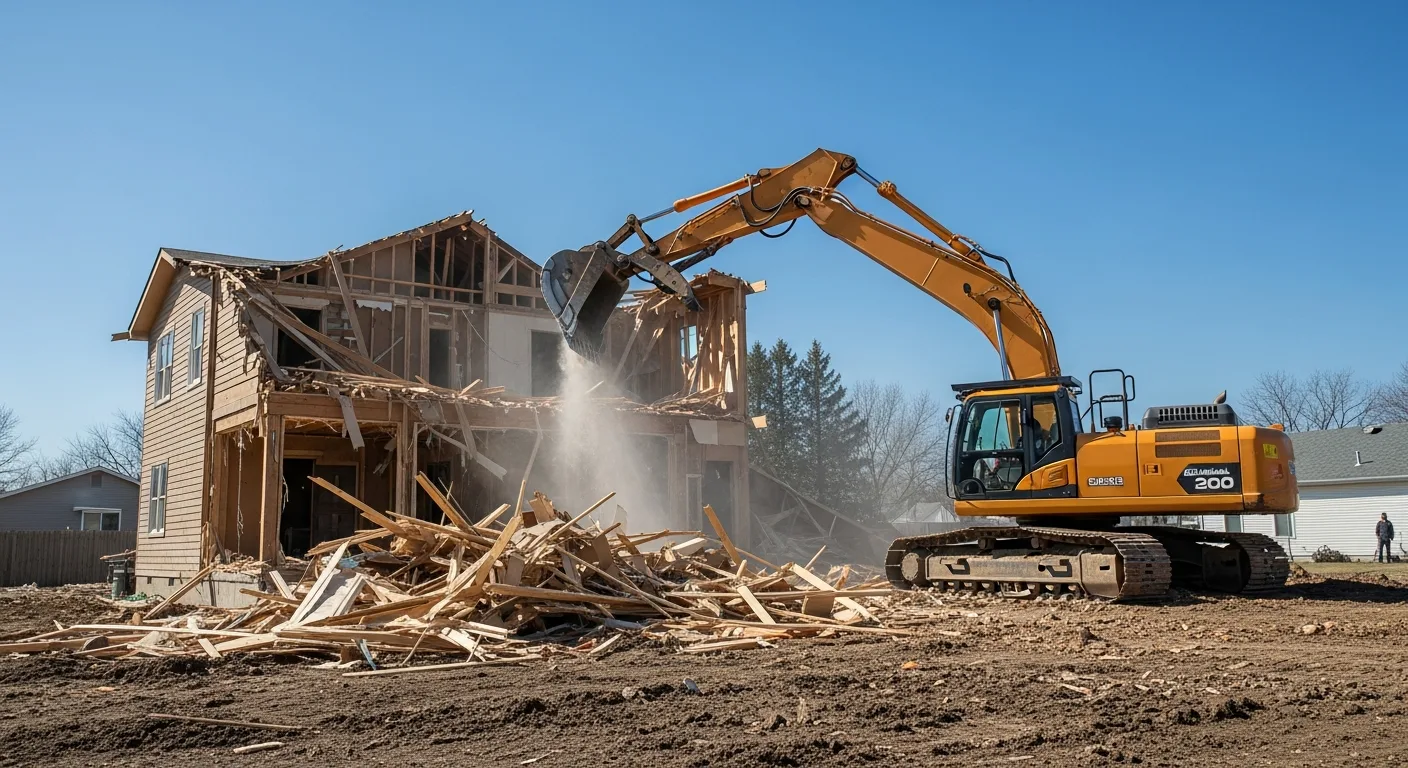
He has two main paths when clearing a lot. Mechanical demolition is the fastest and most common method. A contractor uses hydraulic excavators to flatten the building and load the debris into trucks. This is the most cost-effective route for those on a tight timeline.
Deconstruction, or “demolition by hand,” involves stripping the house piece by piece to salvage reusable materials like hardwood flooring, cabinets, and plumbing fixtures. While this method can cost double or triple the price of mechanical demolition due to high labor demands, he may be able to offset the cost through tax credits for donated materials or by selling high-value architectural salvage.
Hidden Costs and Site Preparation
The price of the “knockdown” is only one part of the equation. He must also account for the administrative and environmental tasks that happen behind the scenes:
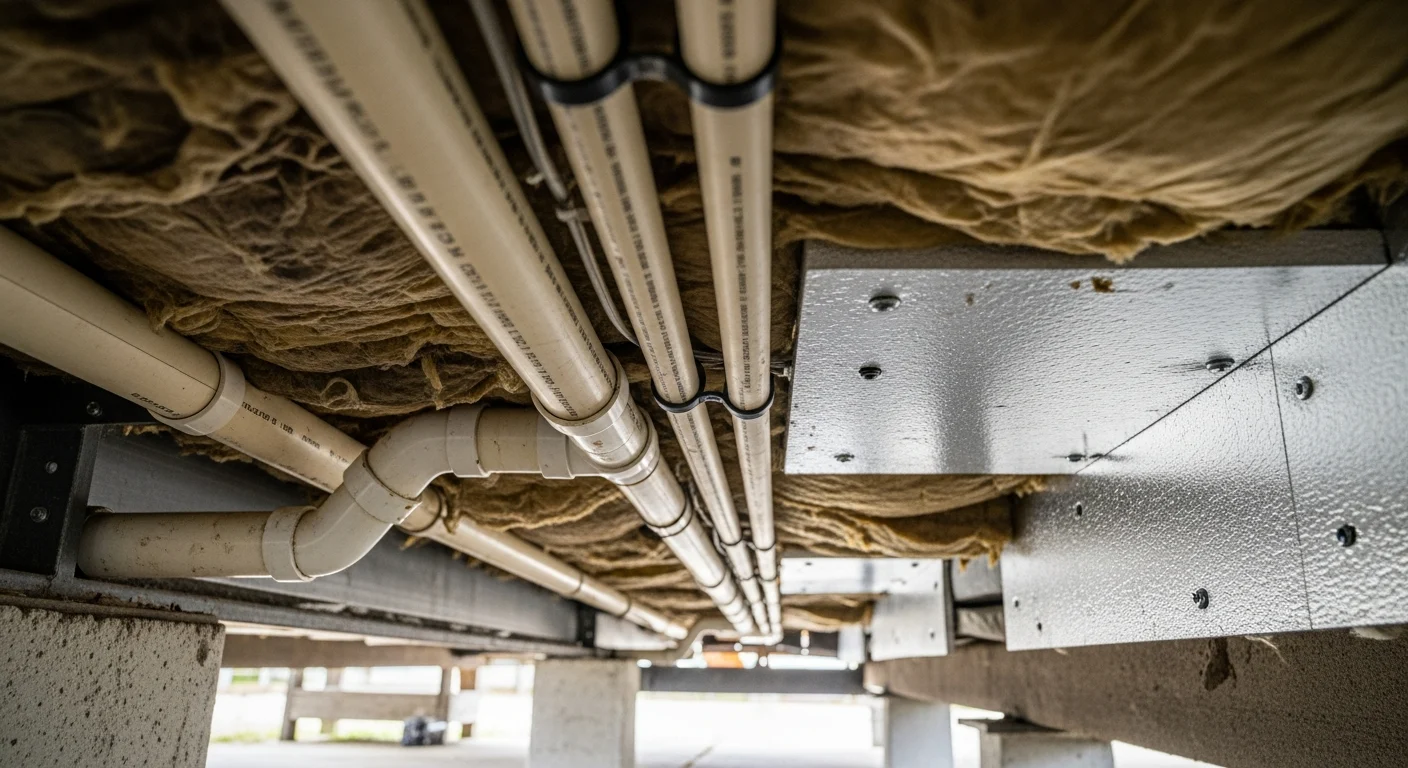
Permits and Inspections: Most municipalities require a demolition permit, which can cost anywhere from $200 to $1,000 depending on local regulations. He may also need to pay for a professional utility disconnect to ensure gas, water, and electricity lines are safely capped at the street.
Debris Disposal Fees: Landfills charge “tipping fees” based on the weight of the waste. If the house is full of heavy plaster or masonry, these fees can consume a large portion of his budget. Choosing a contractor who recycles metal or concrete can sometimes lower these disposal costs.
Once the lot is cleared and graded, he can transition his focus toward the home building process and associated costs for his new project. Proper site stabilization and grading are essential to ensure the ground is ready for a new foundation.
How He Can Save Money on Demolition
While he shouldn’t cut corners on safety, there are ways to keep the cost to demolish a house manageable. He should start by obtaining at least three detailed quotes from licensed contractors. He should also ask if the contractor is willing to credit him for the scrap value of copper piping or high-grade lumber found within the structure.
Another strategy is to handle the “soft” demolition himself. By removing non-structural elements like carpeting, appliances, and interior doors before the heavy machinery arrives, he reduces the volume of debris the contractor has to manage, which can lead to a lower overall bid.
Frequently Asked Questions
How long does it take to demolish a house?
The actual tearing down of the structure usually takes only two to four days. However, the entire process—including permitting, utility disconnection, and final site clearing—typically spans two to six weeks.
Can he demolish a house himself?
In most jurisdictions, a licensed and insured professional must perform the demolition. The risks involving gas lines, structural collapse, and environmental hazards make it a dangerous and often illegal DIY project.
Does insurance cover the cost of demolition?
Standard homeowners insurance only covers demolition if the house was destroyed by a covered peril, such as a fire or windstorm. If he is choosing to demolish the house for a renovation or rebuild, he must pay for it out of pocket.
What is the cheapest way to tear down a house?
Mechanical demolition is the cheapest method. To further reduce costs, he should ensure the site is easily accessible for heavy machinery and try to sell or donate as many interior fixtures as possible before the main demolition begins.