Breaking Down the Average Cost to Paint a House Exterior
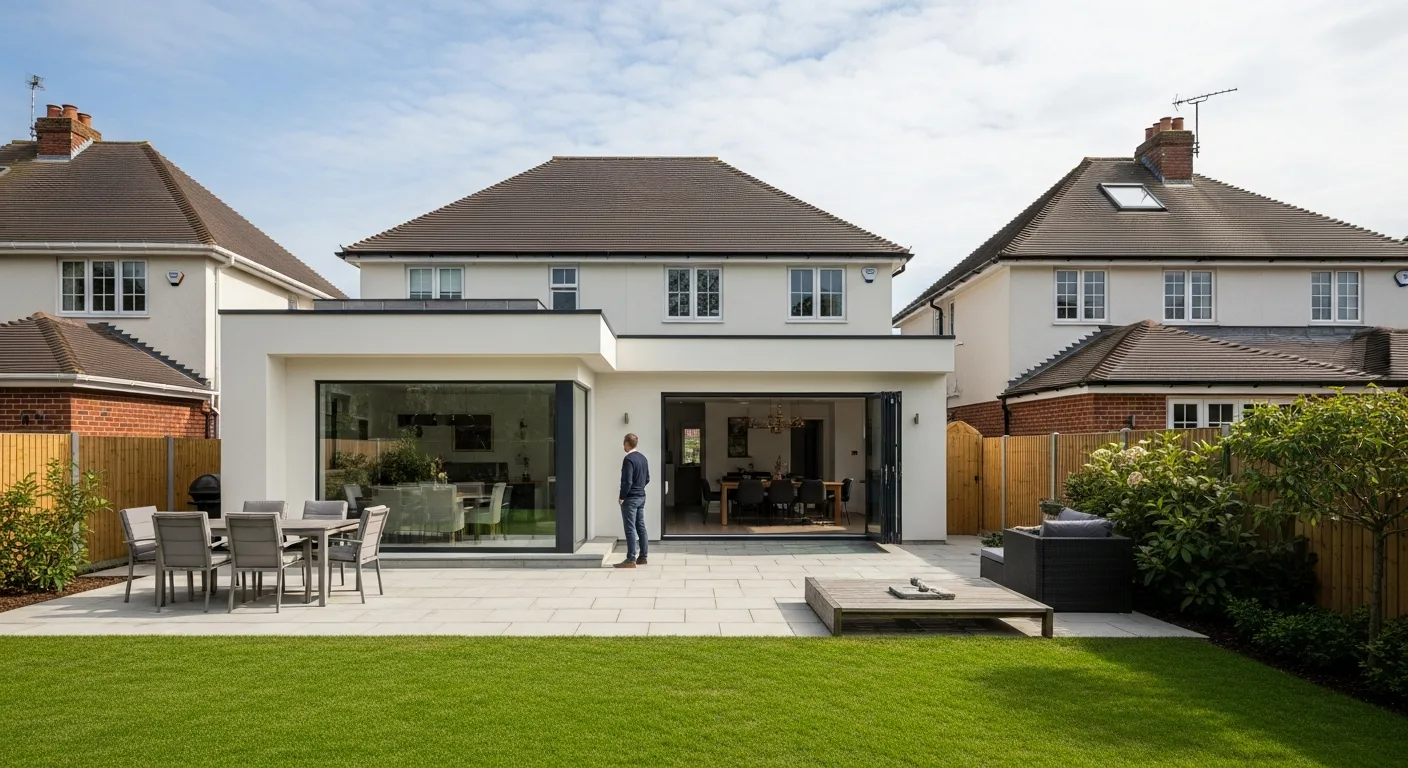
In 2026, the average homeowner can expect to pay between $3,000 and $7,500 to paint the exterior of a standard two-story home. While that range is broad, the final invoice depends heavily on the total square footage and the complexity of the architecture. A man looking to refresh a smaller, single-story ranch might see quotes as low as $2,000, while a sprawling Victorian estate could easily climb past $12,000.
Pricing is typically calculated by the square foot of the wall surface, not the floor plan. Most professional contractors charge between $1.50 and $4.00 per square foot. This rate covers everything from the initial setup to the final walkthrough. A fresh coat of paint is one of the most effective ways a homeowner can see a return on investment, significantly increasing home value before a potential sale or simply ensuring the structure remains protected from moisture and UV damage.
Key Factors That Drive Your Painting Quote
The material of a house is the primary variable in cost estimation. Different surfaces require different levels of preparation and specific types of paint. For instance:
- Wood Siding: Often the most expensive to maintain because it requires extensive sanding, scraping, and priming to prevent rot.
- Stucco: Its porous nature means it absorbs more paint, often requiring 20-30% more material than flat surfaces.
- Vinyl Siding: Generally the most affordable to paint, provided the contractor uses vinyl-safe pigments that won’t cause the boards to warp in the sun.
- Brick: While durable, painting brick requires high-quality masonry paint and careful application to ensure the brick can still “breathe.”
Labor accounts for roughly 70% to 80% of the total cost. If a man has a home with multiple stories, steep gables, or intricate trim work, he should expect to pay a premium for the specialized equipment and additional time required to navigate those heights safely.
Essential Prep Work Before the First Coat
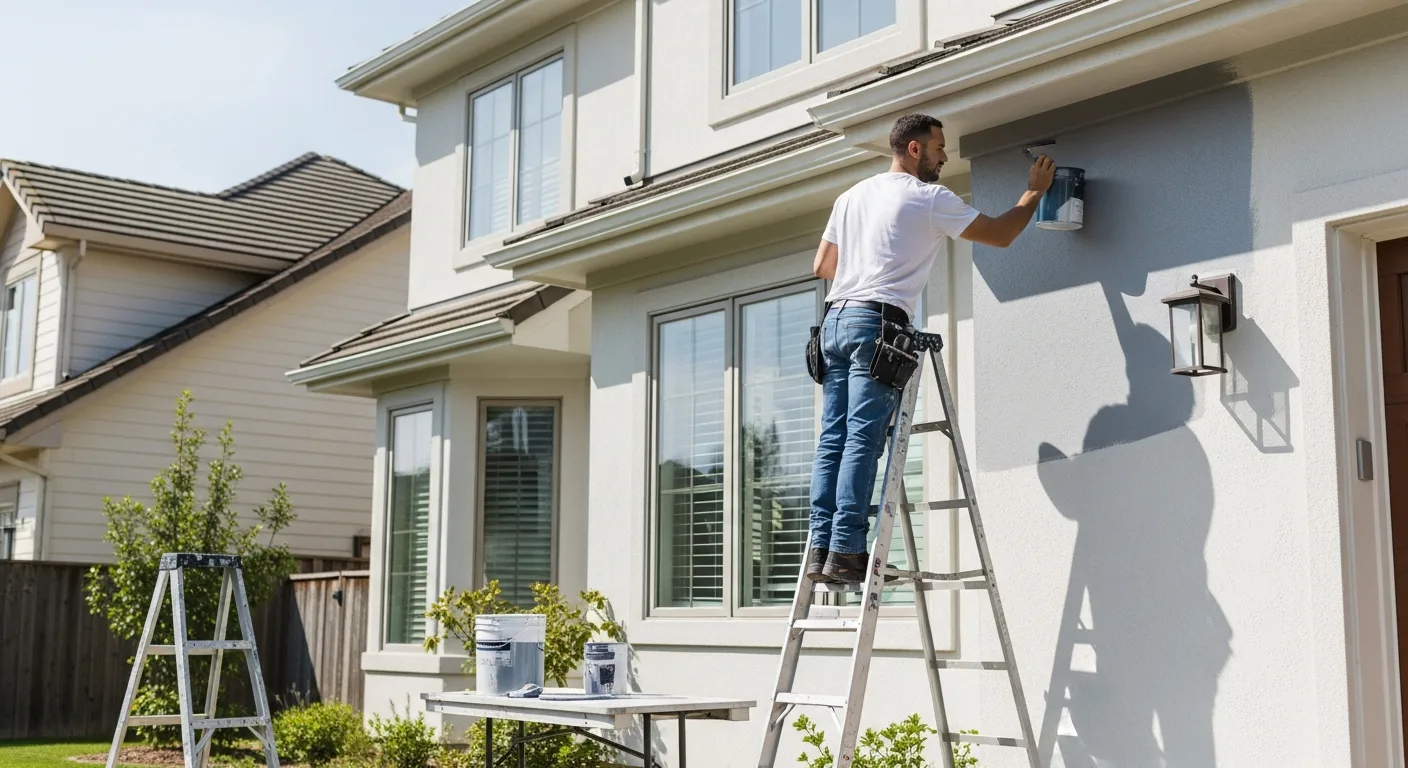
A professional paint job is only as good as the surface beneath it. Cutting corners on preparation is the fastest way to ensure the paint peels within two years. Before any primer touches the surface, a man must ensure the siding is free of debris, often requiring professional exterior cleaning and power washing to create a bondable surface.
Beyond cleaning, the prep phase includes:
- Caulking: Sealing gaps around windows and doors to prevent water infiltration.
- Patching: Filling holes or cracks in wood or stucco.
- Masking: Protecting windows, light fixtures, and landscaping with plastic and tape.
If a contractor’s quote seems unusually low, he is likely skipping these steps. High-quality prep work can take as long as the painting itself, but it ensures the finish lasts for a decade rather than a few seasons.
Material Costs and Paint Quality
While labor is the biggest expense, the quality of the paint chosen will dictate the longevity of the project. Premium exterior paints in 2026 cost between $50 and $90 per gallon. A standard 2,000-square-foot home usually requires 15 to 20 gallons for two full coats.
It is tempting to save $200 by choosing a mid-grade paint, but a man should consider the long-term math. High-end acrylic latex paints offer better elasticity, meaning they expand and contract with the house during temperature shifts without cracking. Investing in top-tier materials can extend the life of the paint job by three to five years, effectively lowering the annual cost of home maintenance.
DIY vs. Professional: Is the Savings Worth the Effort?
Taking the DIY route can save a homeowner thousands of dollars in labor, but the physical and time demands are significant. A man must account for the cost of ladders, sprayers, brushes, and safety gear. Painting a whole house is not a weekend project; for a single person, it can easily stretch into three or four weeks of consistent labor.
Professional crews bring efficiency. What takes a homeowner a month, a team of three can often finish in four days. Furthermore, professionals carry insurance. If a man falls from a ladder or spills five gallons of paint on his neighbor’s roof, he is personally liable for the damages. For most, the peace of mind and the superior finish of a professional crew outweigh the initial savings of doing it himself.
Frequently Asked Questions
How long does a professional exterior paint job last?
On average, a high-quality exterior paint job lasts between 7 and 10 years. This lifespan depends on the climate, the quality of the paint used, and how well the surface was prepared before application.
What is the best time of year to paint a house?
The ideal window is during dry weather with moderate temperatures. Most painters prefer late spring or early fall when temperatures are between 50°F and 85°F, as extreme heat can cause the paint to dry too quickly, leading to brush marks.
Does the color of the paint affect the total price?
Generally, the color itself doesn’t change the price, but the number of coats does. If a man is switching from a very dark color to a very light one, he may need an extra coat of primer and two coats of paint, which increases both labor and material costs.