Why Copper is Making a Massive Comeback
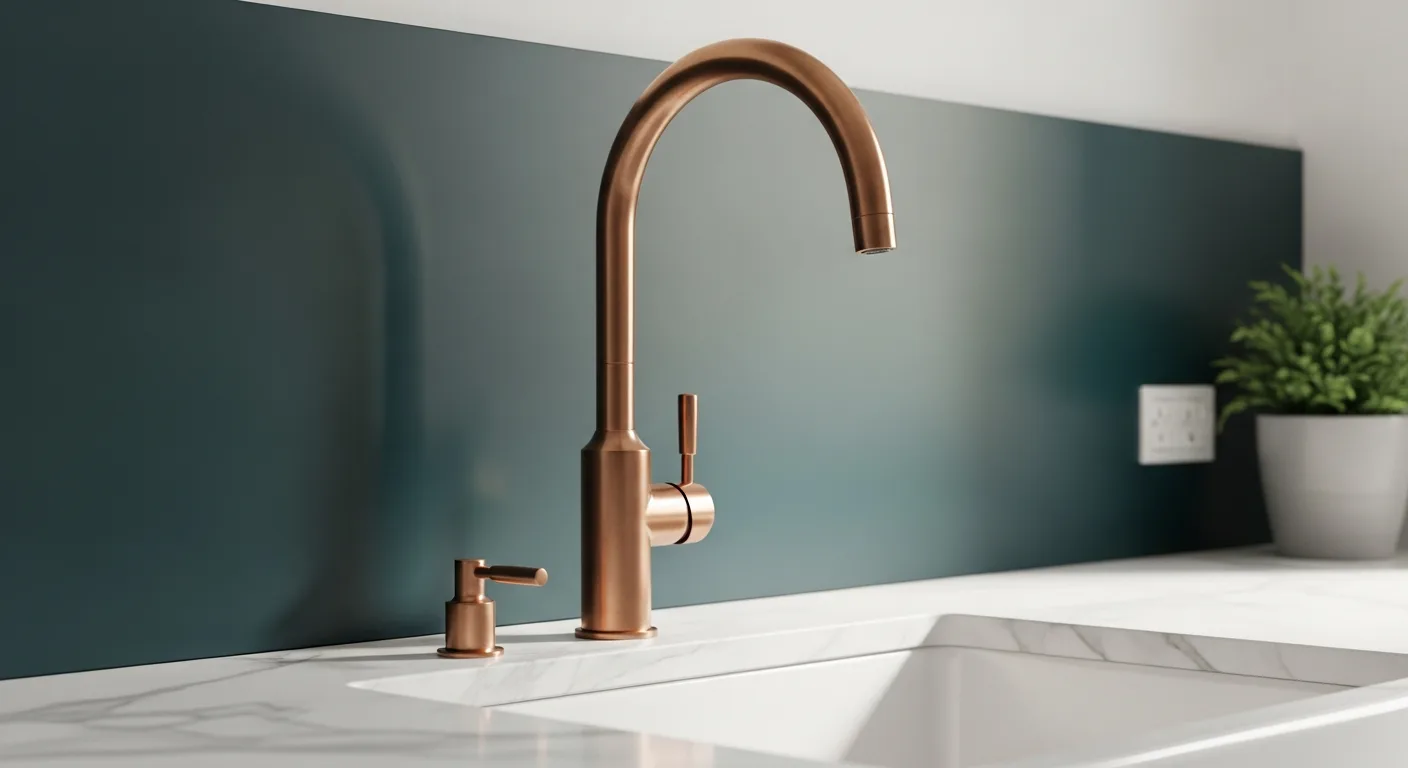
Forget the sterile, clinical look of brushed nickel or chrome. A copper kitchen faucet brings a raw, organic warmth to a kitchen that few other materials can replicate. It is a choice for the homeowner who values character over conformity. Whether he is building a rustic farmhouse or a sleek industrial loft, copper acts as a visual anchor, drawing the eye and providing a sense of history and craftsmanship.
Beyond the aesthetics, copper is a functional powerhouse. It isn’t just about the glow; it’s about the material’s unique physical properties. As he plans his renovation, he should realize that copper is one of the few materials that actually improves with age, developing a unique story through its changing surface.
The Natural Antimicrobial Power of Copper
In a high-traffic area like the kitchen, hygiene is paramount. Copper is naturally antimicrobial. Research has shown that copper surfaces can kill a wide range of harmful bacteria and viruses within hours of contact. For the man who takes his family’s health seriously, this added layer of protection on a high-touch surface like a faucet handle is a significant advantage.
While he still needs to clean his workspace, the inherent properties of the metal work silently in the background. This makes copper a superior choice compared to synthetic finishes that can trap grime and harbor microbes in microscopic scratches.
Understanding the Patina: Living vs. Lacquered Finishes
When he begins shopping, he will encounter two primary types of copper faucets: living finishes and lacquered finishes. Understanding the difference is vital to his long-term satisfaction.
- Living Finishes: These are raw copper surfaces. Over time, they react with oxygen and moisture to develop a patina—a beautiful, mottled green or dark brown coating. This means his faucet will look different in year five than it did on day one.
- Lacquered Finishes: These are treated with a clear protective coating to prevent oxidation. If he wants his faucet to remain shiny and bright like a new penny forever, this is the route he should take.
If he prefers a more muted, historical look that doesn’t change as drastically, he might also consider an antique brass kitchen faucet guide to compare the two warm-toned metals before making a final decision.
How to Style a Copper Faucet in a Modern Kitchen
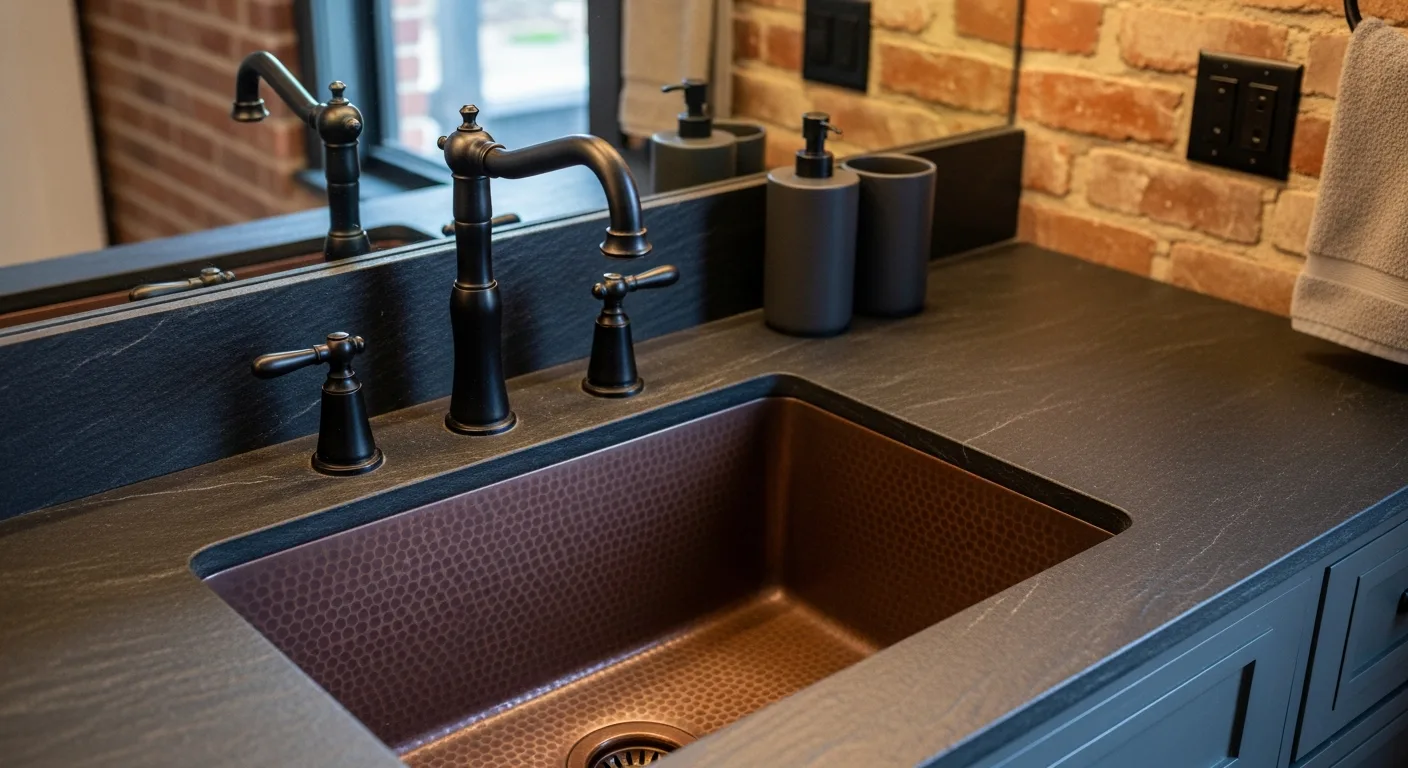
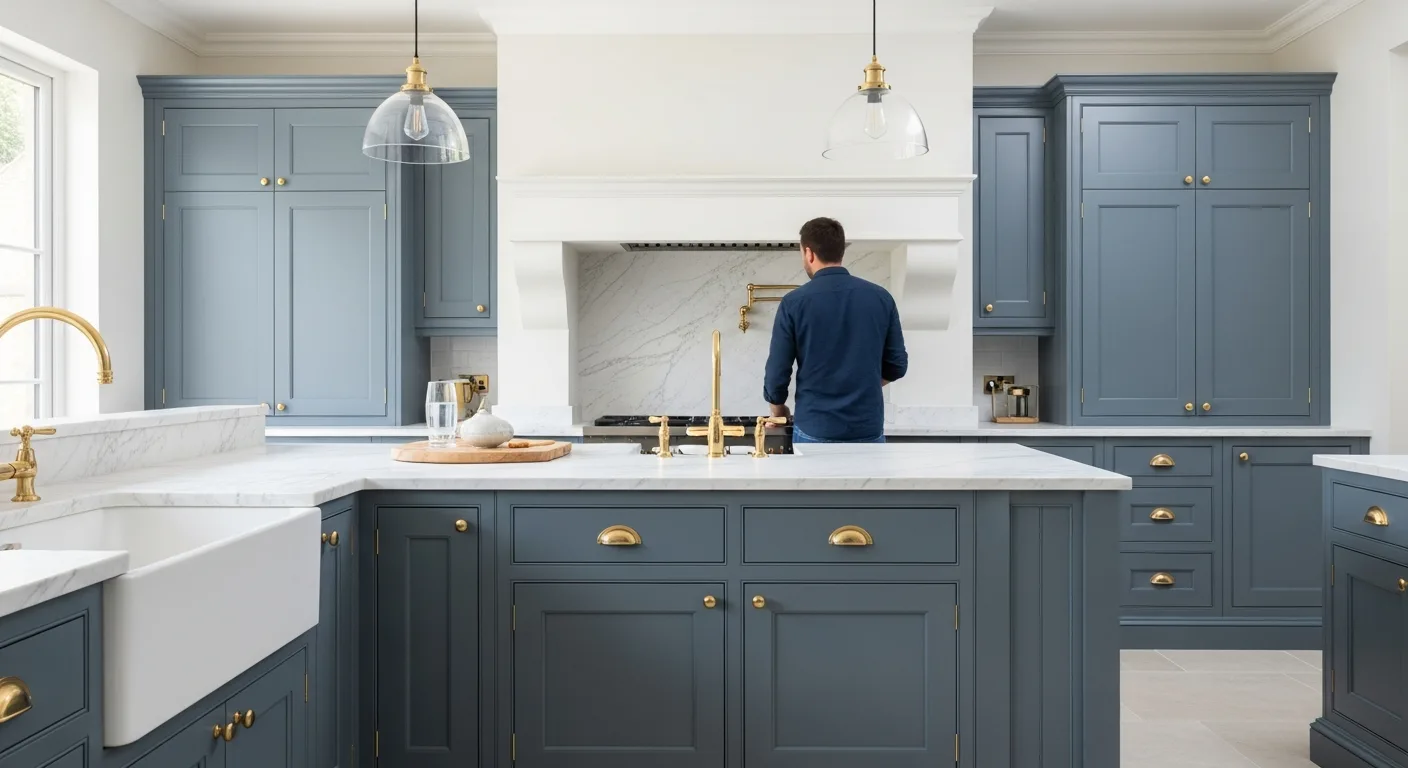
Copper is surprisingly versatile. In a dark kitchen with navy or forest green cabinets, a copper faucet pops with high-contrast brilliance. In a lighter, white-tiled kitchen, it adds a much-needed layer of warmth to prevent the space from feeling too cold. Selecting the right faucet is only half the battle; he must also ensure it complements the best kitchen sink material style for a cohesive workspace.
For a truly professional look, he should pair the faucet with other copper accents, such as cabinet pulls or hanging pot racks. However, he should avoid overdoing it. A single, high-quality copper faucet often makes a stronger statement when it stands as the primary metallic highlight against matte or stone textures.
Maintenance Tips for the Modern Homeowner
Maintaining a copper kitchen faucet is simpler than most people think, but it requires the right approach. He should avoid harsh chemical cleaners at all costs, as these can strip the finish or cause uneven spotting. Instead, a simple solution of mild soap and warm water is usually sufficient for daily cleaning.
If he has a living finish and wants to slow down the patina process, he can apply a thin layer of high-quality furniture wax or specialized copper wax every few months. This provides a temporary barrier against the elements while allowing the metal to age gracefully and evenly.
Frequently Asked Questions
Do copper kitchen faucets turn green?
Only if they are “living finishes” and are not regularly cleaned or waxed. The green patina, known as verdigris, is a natural protective layer. Most indoor faucets will simply darken into a rich, deep bronze tone rather than turning bright green.
Is copper more expensive than stainless steel?
Generally, yes. Copper is a premium material and the manufacturing process for high-quality copper fixtures is more intensive. However, the longevity and aesthetic value often justify the higher initial investment for the discerning homeowner.
Will a copper faucet match stainless steel appliances?
Yes, mixing metals is a popular design trend. The warmth of the copper provides a sophisticated contrast to the cool tones of stainless steel, creating a more curated, less “showroom” look in the kitchen.
How do I prevent water spots on copper?
The best way to prevent spots is to wipe the faucet dry with a soft cloth after use. This prevents minerals in the water from sitting on the surface and reacting with the metal.