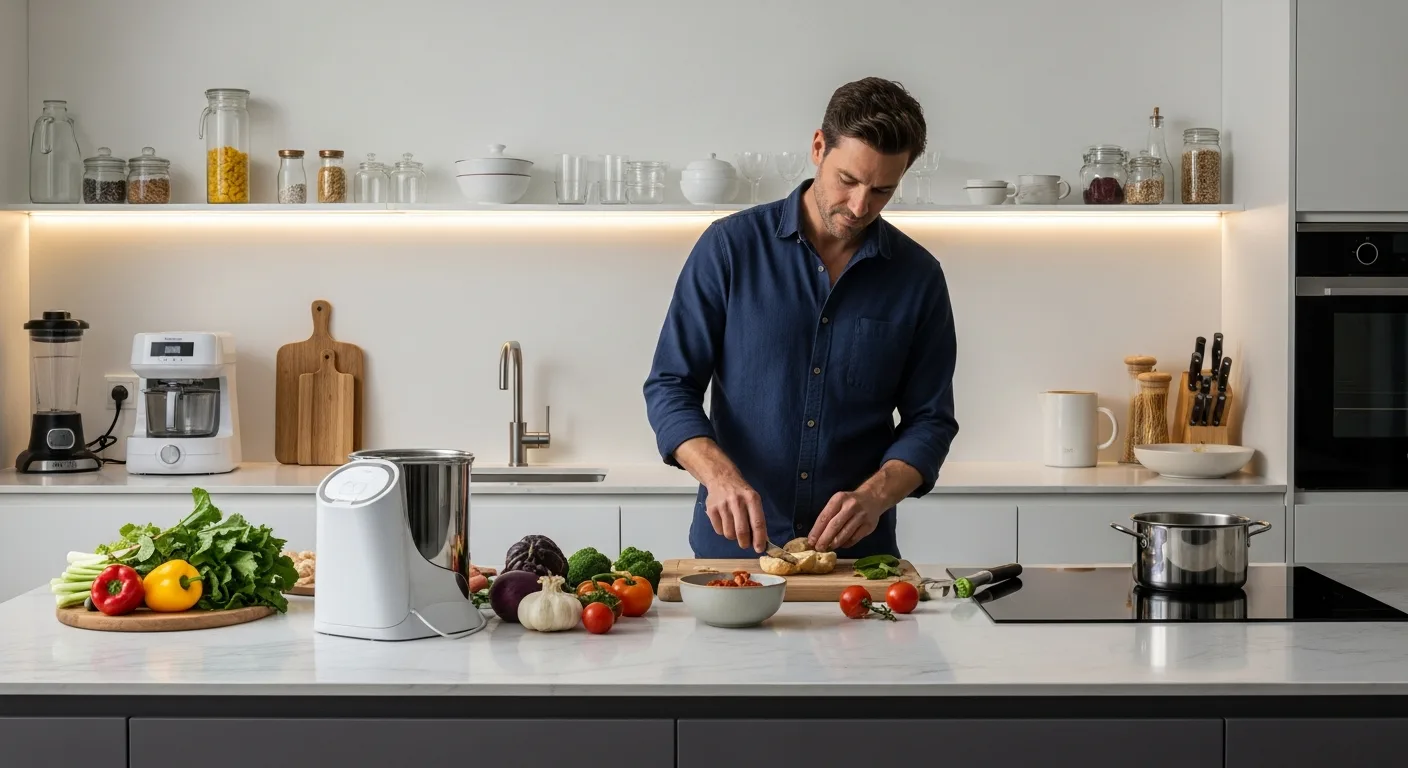
Reclaiming the Kitchen: Why Home Cooking Dominates in 2026
The modern man has realized that true autonomy starts in the kitchen. Relying on takeout or processed convenience foods isn’t just a drain on his wallet; it’s a surrender of his health and energy levels. Cooking at home allows him to dictate exactly what goes into his body, ensuring he gets the high-quality proteins, healthy fats, and complex carbohydrates needed to perform at his peak.
Beyond the nutritional benefits, there is a distinct psychological advantage to mastering the flame. It provides a meditative break from the digital grind, allowing a man to focus on tangible results he can see, smell, and taste. In 2026, the ability to prepare a restaurant-quality steak or a perfectly balanced stir-fry is a mark of competence and self-reliance.
The Essential Toolkit for Every Home Chef
A craftsman is only as good as his tools, and the kitchen is no exception. You don’t need a drawer full of gadgets that only perform one task. Instead, focus on high-performance essentials that offer versatility and durability. A heavy-duty cast iron skillet, a stainless steel saucier, and a reliable digital thermometer are non-negotiable for anyone serious about his craft.
The most critical investment, however, is a high-quality blade. Understanding the nuances of reputable kitchen knife brands can make the difference between a frustrating chore and a seamless prep session. A sharp, well-balanced chef’s knife allows him to work faster and safer, turning raw ingredients into a masterpiece with precision.
Strategic Meal Planning for Maximum Efficiency
Time is the most valuable resource a man has. The biggest barrier to cooking at home is often the perceived time commitment. The solution lies in batch cooking and strategic prep. By dedicating a few hours on a Sunday to roasting vegetables, grilling chicken breasts, or simmering a large pot of chili, he sets himself up for a week of effortless, high-quality meals.
- The Power of the Base: Prepare large quantities of grains like quinoa or brown rice to use across different dishes.
- Pre-Cut Everything: Chop onions, peppers, and garlic in one go to shave minutes off his nightly routine.
- The Freezer is an Ally: Double the recipe for stews or sauces and freeze half for those nights when he is truly pressed for time.
While the goal is to cook as often as possible, there are days when the schedule is simply too packed. In those instances, he might look into a premium meal delivery service to bridge the gap without resorting to low-quality fast food. This ensures he maintains his nutritional standards even during his busiest seasons.
Precision and Technique: Leveling Up Your Skills
Cooking is a science as much as it is an art. To move beyond basic survival cooking, a man must master heat management. Knowing when to use the screaming high heat of a sear versus the gentle, low heat of a braise is what separates the amateur from the expert. He should learn to listen to the sizzle and watch for the Maillard reaction—that golden-brown crust that signifies deep flavor.
Seasoning is the other pillar of great home cooking. Most beginners under-salt their food. He should learn to season in layers, adding salt and acid (like lemon or vinegar) throughout the process rather than just at the end. This builds a complexity of flavor that rivals any high-end bistro.
The Economic Impact of the Home Kitchen
The financial math of cooking at home is undeniable. By purchasing whole ingredients—bulk grains, seasonal produce, and larger cuts of meat—he can slash his monthly food expenditure by 50% or more. This reclaimed capital can then be diverted into his investments, home improvements, or higher-quality kitchen hardware.
Furthermore, the “hidden” costs of dining out, such as tips, delivery fees, and overpriced drinks, vanish. He isn’t just saving money; he is investing in a lifestyle that prioritizes long-term wealth and physical vitality over short-term convenience.
Frequently Asked Questions
Is cooking at home actually cheaper than eating out?
Yes, significantly. By buying raw ingredients in bulk and avoiding the markups, service fees, and tips associated with restaurants, a man can save thousands of dollars annually while eating higher-quality food.
What are the best tools for a beginner to start with?
Start with a 10-inch cast iron skillet, a 3-quart saucepan, a digital meat thermometer, and a high-quality 8-inch chef’s knife. These four items can handle about 90% of all cooking tasks.
How can I save time on cleanup?
The “clean as you go” method is essential. He should wash his prep bowls and cutting board while his meat is searing or his water is boiling. By the time he sits down to eat, the kitchen should already be nearly spotless.
How do I prevent food from sticking to the pan?
The most common mistake is not letting the pan get hot enough before adding oil and food. He should wait for the oil to shimmer, then add his ingredients. Also, he must resist the urge to flip meat too early; it will naturally release from the pan once a proper crust has formed.