Recognizing the Immediate Signs of a Concussion
A sudden blow to the head or a violent jar to the body can cause the brain to slide back and forth against the inner walls of the skull. This movement creates chemical changes in the brain and sometimes stretches or damages brain cells. If he has just taken a hard fall or a hit during a game, the first few minutes are the most telling. You don’t need a medical degree to spot the initial warning signs, but you do need to be observant.
Look for physical indicators such as a dazed expression, delayed response to questions, or a brief loss of consciousness. Even if he claims he is “fine,” his behavior might suggest otherwise. Common early symptoms include a persistent headache, a feeling of pressure in the head, or temporary confusion. If he mentions seeing stars or experiencing ringing in his ears, his brain has likely sustained a significant impact.
The Cognitive and Memory Assessment
One of the most effective ways to gauge brain function at home is through a series of cognitive questions. This isn’t about testing his IQ; it’s about checking his short-term memory and processing speed. Ask him specific questions that require immediate recall. For example, ask him where he is, what day of the week it is, or what happened right before the injury occurred.
- The Maddocks Questions: Ask him who scored last in the game, which half it is, or which team he played last week.
- Word Recall: Give him three unrelated words (e.g., “Apple,” “Table,” “Blue”) and ask him to repeat them back to you immediately, then again five minutes later.
- Reverse Sequencing: Ask him to recite the months of the year in reverse order, starting from December.
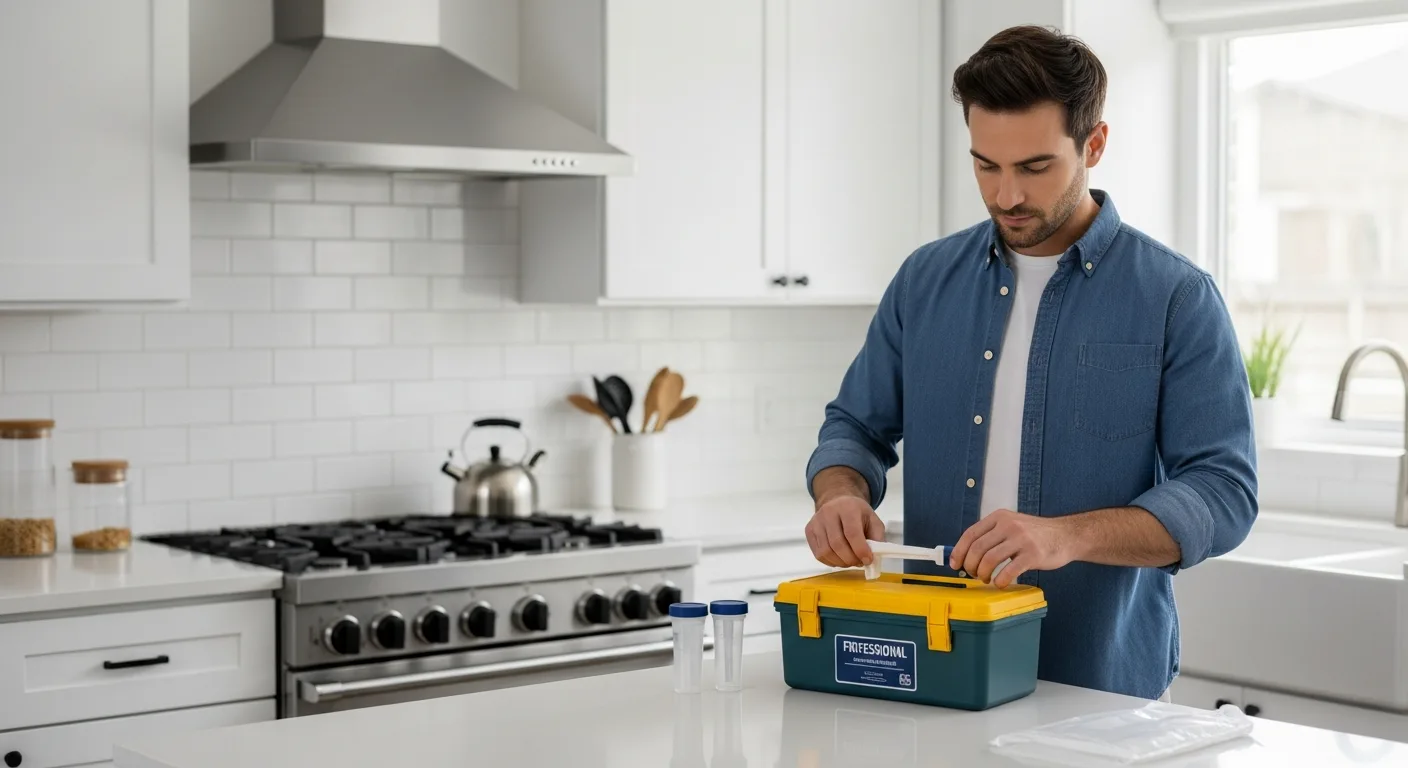
While these checks are helpful, they are part of a broader approach to monitoring wellness, much like using at-home health testing kits to track other vital signs. If he struggles significantly with these basic tasks, he needs professional evaluation.
Testing Balance and Coordination
A concussion often disrupts the vestibular system, which controls balance. You can perform a modified Balance Error Scoring System (BESS) test right in your living room. Have him stand with his feet together, hands on his hips, and eyes closed. Observe him for 20 seconds. If he stumbles, opens his eyes, or lifts his hands off his hips to steady himself, it indicates a lack of stability.
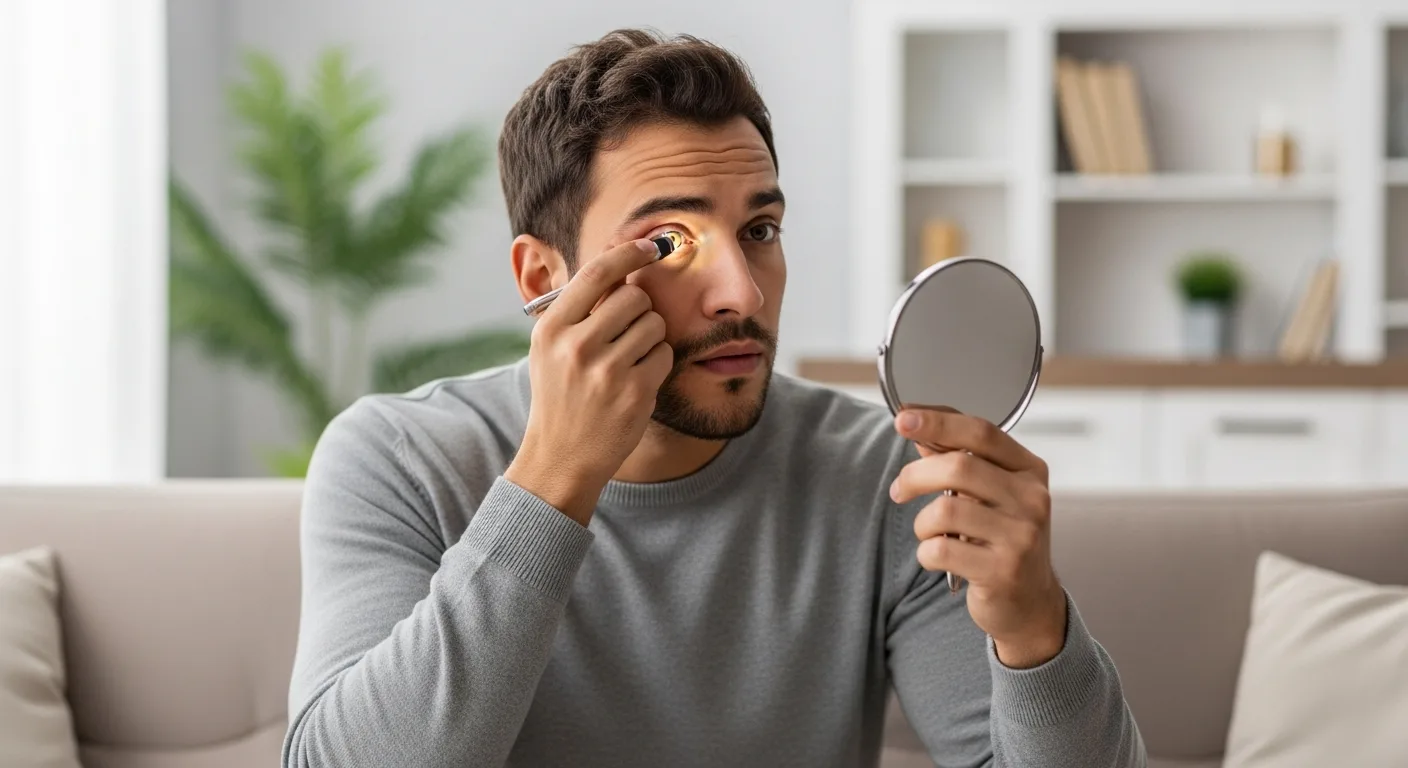
Next, check his pupillary response. Use a small flashlight to see if his pupils constrict quickly when exposed to light. More importantly, ensure both pupils are the same size. If one pupil is significantly larger than the other (anisocoria), this is a medical emergency. Also, watch for nystagmus, which is an involuntary jerking movement of the eyes when he tries to follow your finger from side to side.
Monitoring the First 48 Hours
The danger of a head injury doesn’t always peak in the first five minutes. Symptoms can evolve over several hours or even days. During the first 48 hours, he should prioritize physical and cognitive rest. This means no sports, no heavy lifting, and significantly limiting screen time. High-intensity light and sound from phones or televisions can aggravate a recovering brain and prolong symptoms.
It is a myth that you must keep someone awake all night after a concussion. If he is alert and can carry on a conversation, letting him sleep is actually beneficial for recovery. However, you should check on him every few hours to ensure he can be easily roused. Having home emergency safety checklists ready can help you stay organized and calm if his condition begins to deteriorate during the night.
When to Skip the Home Test and Head to the ER
Home testing has its limits. There are specific “red flag” symptoms that indicate a potentially life-threatening brain injury, such as a hematoma or severe swelling. If he exhibits any of the following, stop the home assessment and seek emergency medical care immediately:
- Loss of consciousness: Even if it only lasted for a few seconds.
- Repeated vomiting: More than one instance of nausea and vomiting is a major concern.
- Seizures: Any twitching or convulsing after the impact.
- Slurred speech: If he sounds intoxicated or cannot form coherent sentences.
- Worsening headache: A headache that gets progressively more intense rather than fading.
- Weakness or numbness: Specifically in the arms or legs, or a decrease in coordination.
In these scenarios, time is of the essence. A hospital-grade CT scan or MRI is the only way to rule out internal bleeding or structural damage that a physical exam cannot detect.
Frequently Asked Questions
Can I diagnose a concussion myself?
No, you cannot officially diagnose a concussion at home. You can only identify symptoms that suggest a concussion has occurred. A formal diagnosis must be made by a healthcare professional who can perform a neurological exam.
Should I give him aspirin or ibuprofen for the headache?
Avoid NSAIDs like aspirin or ibuprofen immediately after a head injury, as they can increase the risk of bleeding. If a pain reliever is necessary, acetaminophen (Tylenol) is generally considered safer, but only after a doctor has confirmed there is no internal bleeding.
How long do concussion symptoms usually last?
Most men recover from a concussion within 7 to 10 days. However, if he returns to physical activity too soon, he risks “Second Impact Syndrome,” which can cause permanent brain damage. He should be symptom-free at rest before gradually returning to his normal routine.