The Science and Simplicity of Modern Paternity Testing
In 2026, the technology behind genetic verification has reached a point of near-perfection. For a man seeking answers about his biological connection to his child, an at home paternity test offers a private, efficient, and highly accurate solution. These tests analyze specific genetic markers to determine if a biological relationship exists, providing peace of mind without the need for clinical appointments.
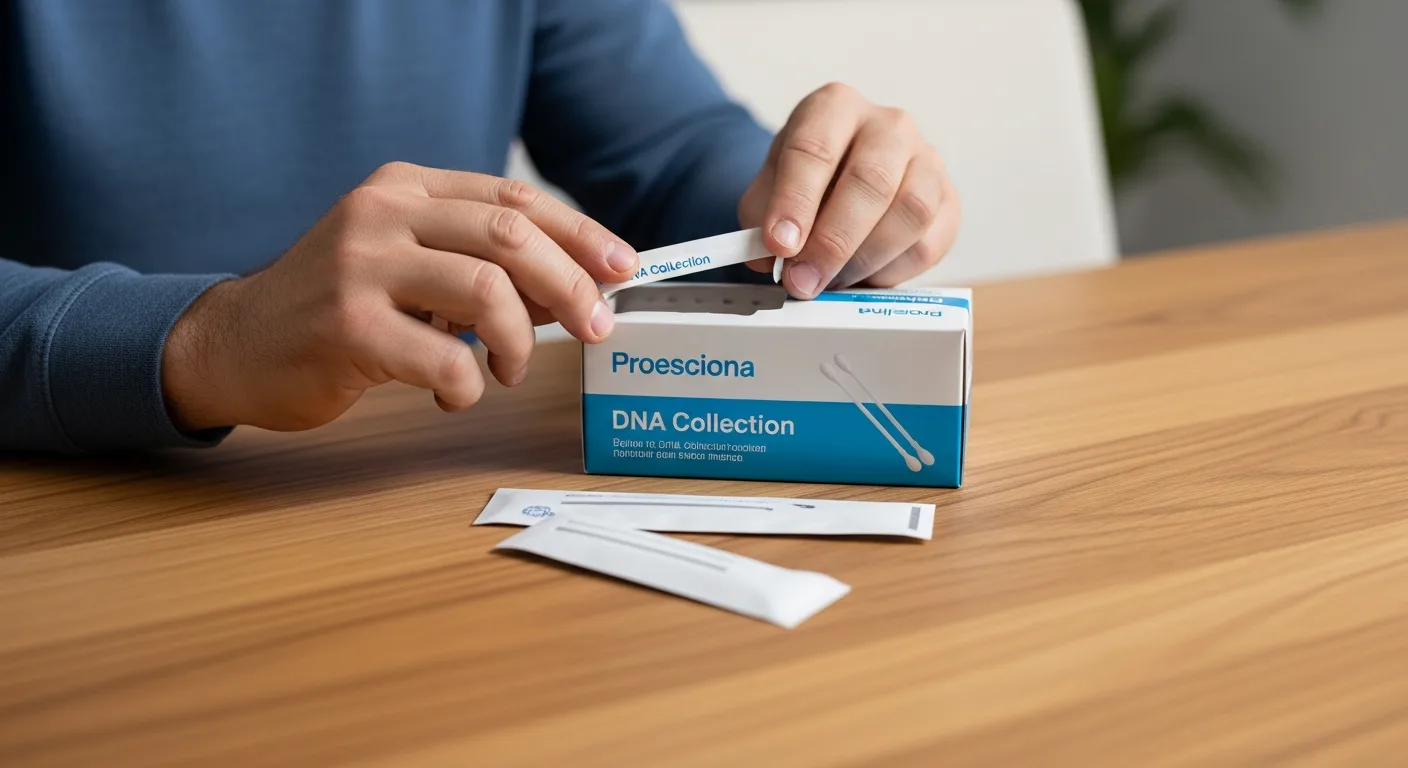
The process is designed to be straightforward. Most modern kits utilize buccal (cheek) swabs to collect skin cells from the inside of the mouth. These cells contain the same DNA as blood, making the collection process painless and non-invasive. When a father understands the mechanics of these tests, he can approach the process with confidence, knowing he is utilizing the same laboratory standards used by forensic experts.
Choosing the Right Testing Kit for Your Situation
Not all DNA tests are created equal. When selecting a kit, a father must decide between a “peace of mind” test and a legal test. If he simply wants to know the truth for his own personal knowledge, a standard at home paternity test is the most cost-effective and discreet option. These kits are sent in plain packaging to ensure his privacy throughout the process.
When exploring the broader landscape of genetic analysis, consulting an at-home DNA test guide can provide additional context on how these laboratories handle sensitive biological data. It is essential to choose a provider that is accredited by the AABB (formerly the American Association of Blood Banks), as this ensures the lab maintains the highest rigorous standards for accuracy and security.
Step-by-Step: Collecting the DNA Sample
The reliability of the results depends heavily on the quality of the sample collected. A father should follow these steps carefully to ensure there is no cross-contamination:
- Preparation: He should refrain from eating, drinking, or smoking for at least 30 minutes before the test.
- Swabbing: He will use the provided sterile swabs to rub the inside of his cheek firmly for about 30 seconds. This process is repeated for the child.
- Drying: The swabs must be allowed to air-dry for a few minutes before being placed into the designated paper envelopes. Plastic bags should be avoided as they can trap moisture and degrade the DNA.
- Labeling: Each envelope must be clearly labeled with the participant’s details to avoid any confusion at the lab.
Once the samples are secured, they are mailed back to the laboratory in a pre-paid mailer. Modern labs typically process these samples within two to five business days.
Accuracy and Reliability of Home Results
A common concern for any man undergoing this process is whether the results can be trusted. When performed correctly, an at home paternity test is 99.99% accurate for a “positive” result (inclusion) and 100% accurate for a “negative” result (exclusion). The lab examines 16 to 21 different genetic markers to ensure the match is definitive.
In the context of modern wellness, these kits are part of a larger trend of self-directed care. For those interested in other forms of self-testing, a home health testing kits guide can offer insights into the various ways men can now monitor their biological data from the comfort of their own living room.
Legal vs. Non-Legal Paternity Tests
It is vital for a father to understand that while a home test is scientifically accurate, it is generally not admissible in a court of law. This is because there is no “chain of custody”—a neutral third party cannot verify that the samples belong to the individuals named on the envelopes. If he requires results for child support, custody, or inheritance disputes, he must opt for a legal test where a certified collector oversees the process.
However, for most men, the home version is the preferred starting point. It allows him to resolve his doubts privately before deciding on his next legal or personal steps.
Frequently Asked Questions
Can I use a paternity test if the child is a newborn?
Yes. Since the test uses a cheek swab rather than blood, it is perfectly safe for newborns. A father can collect the sample as soon as the child is born by gently swabbing the inside of the infant’s cheek.
How long does it take to get results?
Most laboratories provide results through a secure online portal within 2 to 3 business days after receiving the samples. Some labs offer expedited overnight processing for an additional fee.
What if the father and child live in different cities?
Many companies offer “split kits.” The lab can send one part of the kit to the father’s address and the other part to the child’s location. The lab then matches the samples using a unique reference number when they arrive.
Is my privacy protected during the testing process?
High-quality testing companies use encrypted servers and discreet packaging. The results are typically only released to the individual who purchased the kit, ensuring that the father maintains full control over the information.