The Silent Threat: Understanding Common House Termites
A homeowner might go years without realizing his property is under attack. Termites are often called “silent destroyers” because they chew through wood, flooring, and even wallpaper undetected. By the time a man notices the damage, the structural integrity of his home may already be compromised. Recognizing the specific species of common house termites is the first step in mounting an effective defense.
Subterranean Termites: The Most Widespread Invaders
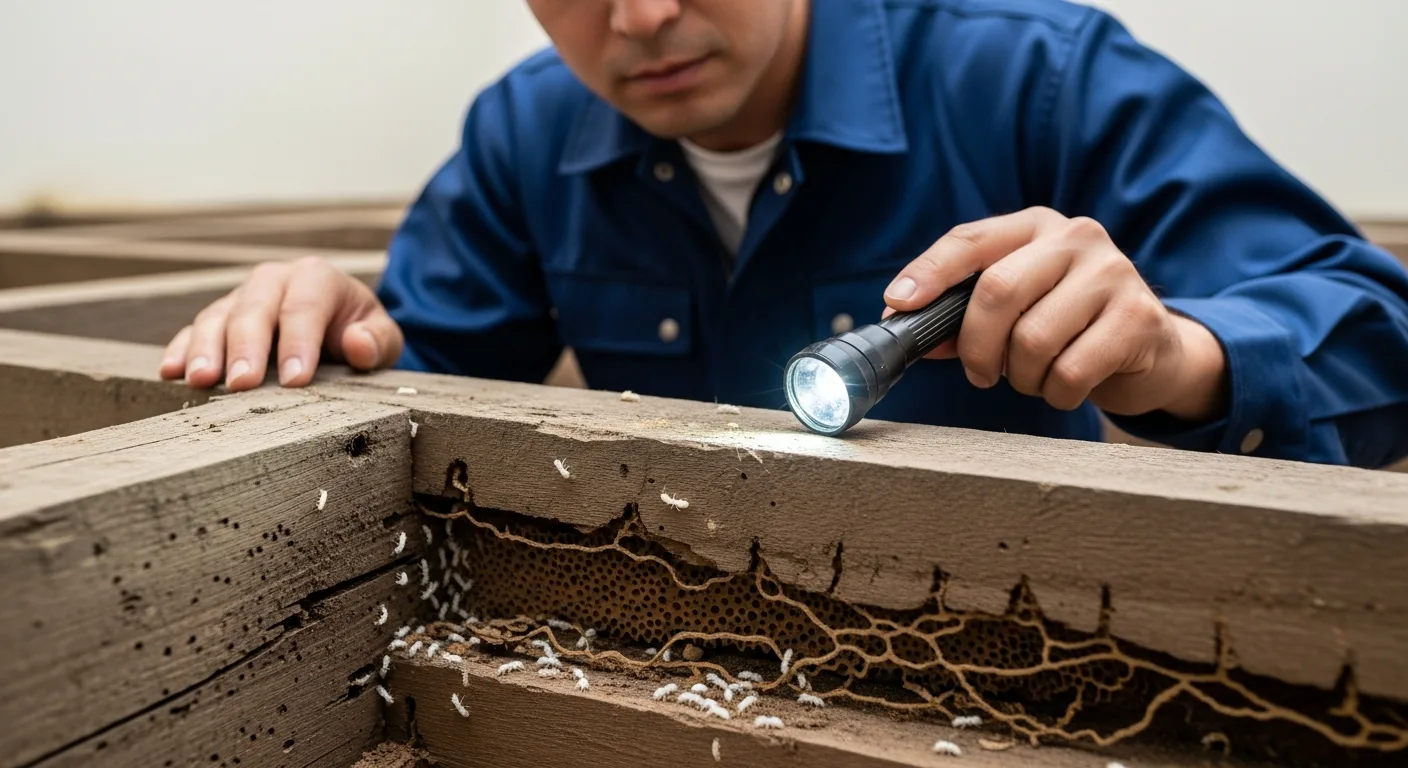
Subterranean termites are responsible for the vast majority of termite damage in North America. These pests live in underground colonies and require moisture to survive. He will typically find them entering a structure through mud tubes—pencil-sized tunnels made of soil and debris that protect the termites from dehydration as they travel from the ground to the wood in his home.
- Appearance: Workers are pale and cream-colored, while swarmers (reproductive termites) are dark brown or black with two pairs of equal-length wings.
- Behavior: They attack wood from the inside out, often leaving only a thin veneer of wood or paint.
- Risk Factor: Because their colonies can house millions of individuals, they can cause significant damage in a relatively short period.
Drywood Termites: Living Within the Walls
Unlike their subterranean cousins, drywood termites do not need contact with the soil. They find all the moisture they need within the wood they inhabit. A man might find these in his attic, structural timbers, or even expensive hardwood furniture. One of the most distinct signs of a drywood infestation is the presence of frass, or termite droppings, which look like tiny pellets of sawdust or sand accumulated in small piles.
If a homeowner discovers these pests in localized areas, he might consider specialized home pest control heat treatment to eradicate the colony without the need for full-structure fumigation.
Formosan Termites: The Aggressive Super-Termite
The Formosan termite is a particularly aggressive species of subterranean termite. Originally from East Asia, it has become a major concern in warmer climates. What makes the Formosan termite so dangerous is the sheer size of its colony. A single colony can consume nearly a pound of wood a day. He should be especially vigilant if he lives in a coastal or high-humidity area, as these termites can even create “aerial colonies” on roofs if there is enough moisture available.
How to Spot an Infestation Early
Early detection is the only way a man can save himself from thousands of dollars in repair costs. He should conduct a thorough inspection of his property at least once a year, focusing on the foundation and any wood-to-ground contact points.
- Discarded Wings: After a swarm, reproductive termites shed their wings. Finding piles of translucent wings on windowsills or near light fixtures is a major red flag.
- Hollow-Sounding Wood: If he taps on a wooden beam and it sounds hollow or papery, termites have likely gutted the interior.
- Stuck Windows or Doors: As termites consume wood, their excrement creates a high-moisture environment that causes wood to swell, making openings difficult to operate.
- Bubbling Paint: This is often mistaken for water damage, but it can actually be the result of termites tunneling just beneath the surface.
Proactive Prevention Strategies
Prevention is always more cost-effective than remediation. A homeowner can significantly reduce his risk by implementing his own diy pest control methods and maintaining his property’s exterior. He should ensure that soil is kept at least six inches away from any wooden siding and that gutters are clear to prevent moisture buildup near the foundation.
Eliminating leaks in crawlspaces and fixing dripping outdoor faucets will also make the environment less attractive to subterranean species. If he is building an addition or a new structure, using pressure-treated lumber or termite-resistant materials is a wise investment for his future peace of mind.
Frequently Asked Questions
What is the most common termite found in homes?
The Eastern Subterranean termite is the most common species found in residential structures across the United States. It relies on soil moisture and builds mud tubes to access the wood in a home’s foundation and framing.
Can I get rid of termites myself?
While a man can handle minor prevention and localized treatments, a full-blown infestation usually requires professional intervention. Termite colonies are often hidden deep within the structure or underground, making them difficult to eliminate completely with over-the-counter products.
How often should I have a termite inspection?
It is recommended that a homeowner schedules a professional termite inspection every three to five years. However, if he lives in a high-risk area or notices any signs of activity, he should perform a personal check annually.
Do termites eat anything other than wood?
Yes, termites consume cellulose, which is found in wood, but also in paper, cardboard, and even certain types of fabric. He might find them damaging books, drywall paper, or stored boxes in his basement.