Identifying the Most Common Black Bugs in Your Home
You flip on the kitchen light at midnight and spot a dark speck darting across the tile. That immediate sinking feeling is something every homeowner understands. Before you panic and call an exterminator, you need to know exactly what you are dealing with. Not all black bugs in the house are created equal; some are harmless wanderers, while others are signs of a deeper structural or hygiene issue.
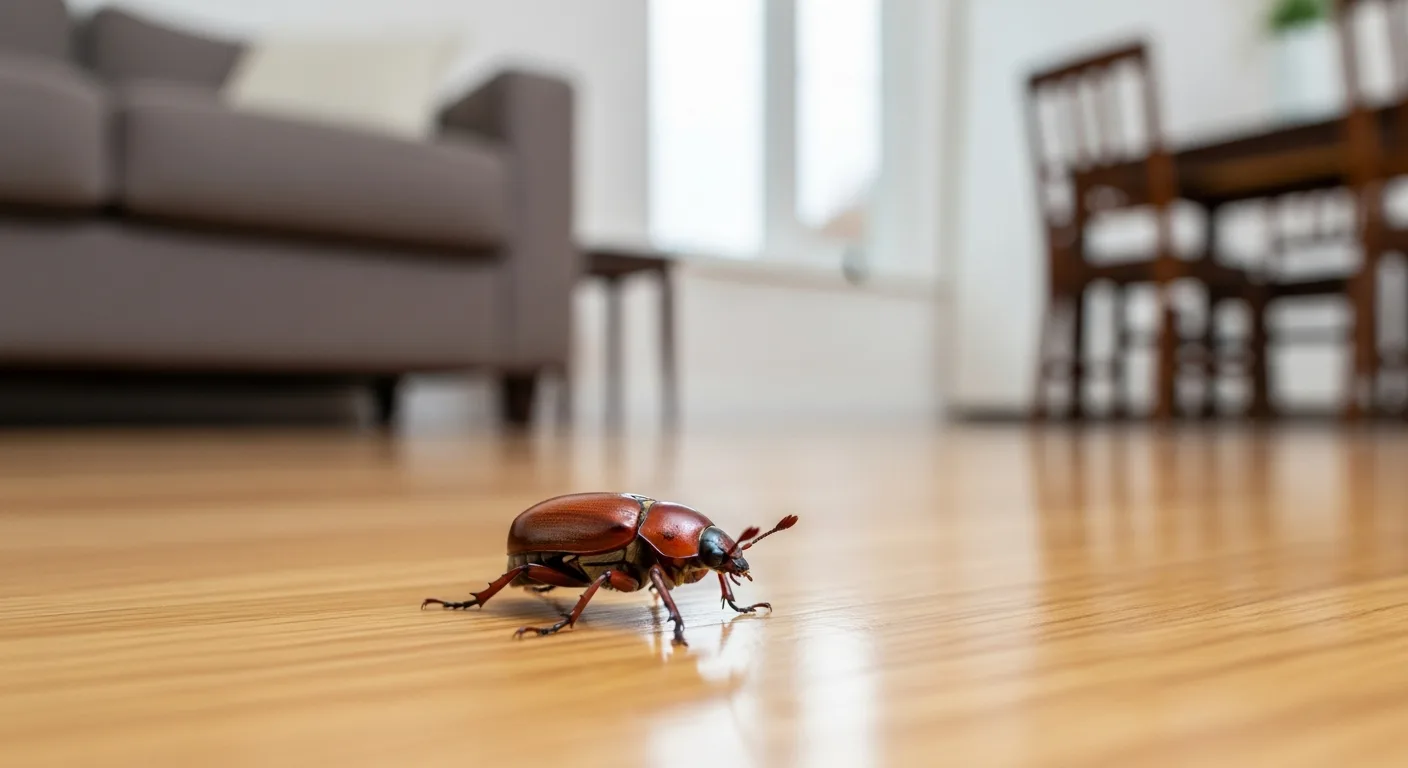
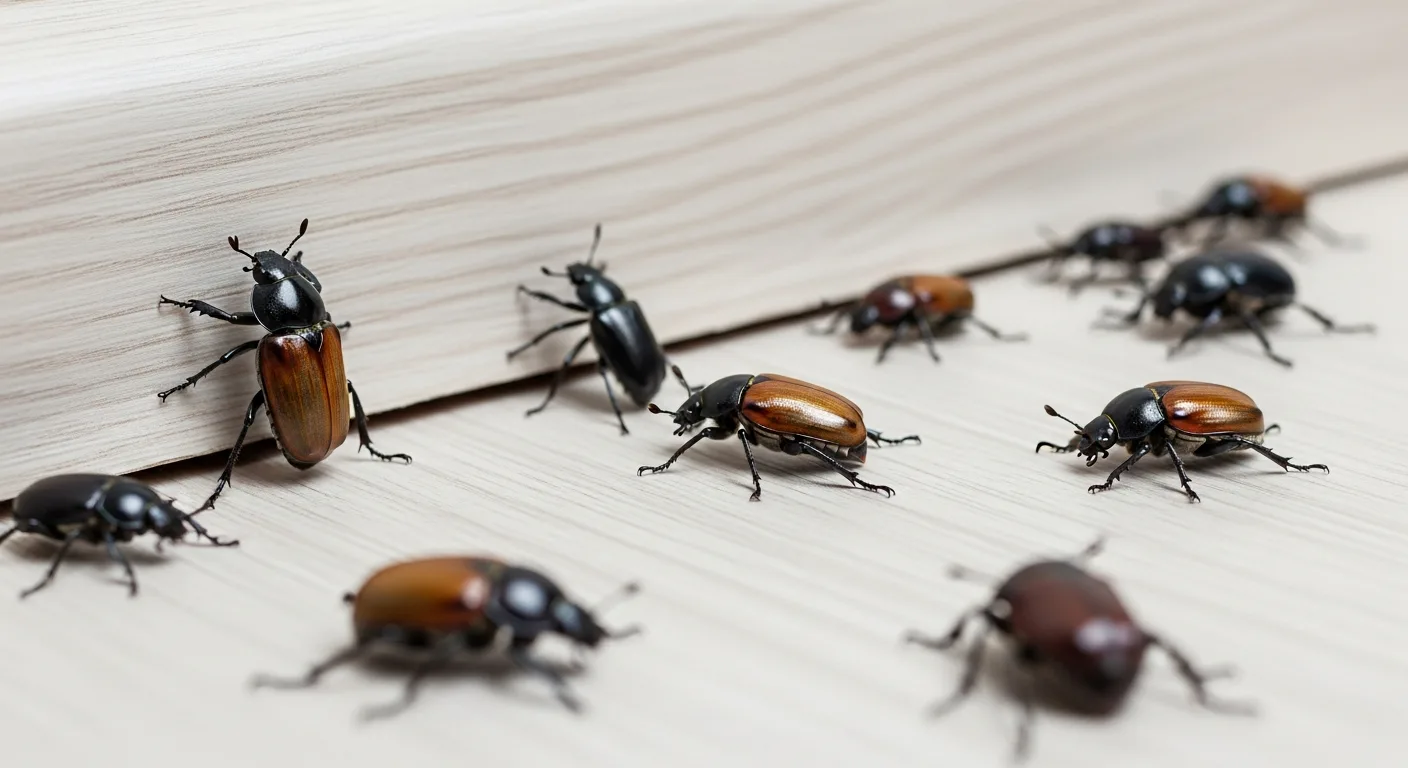
The most frequent culprit is the carpet beetle. These tiny, oval-shaped insects are often mistaken for bed bugs, but they don’t bite humans. Instead, they feast on natural fibers like wool, silk, and even the hair your dog sheds. If a man notices small holes in his favorite wool sweater or patches missing from a rug, he likely has a carpet beetle infestation. Another common visitor is the black carpet beetle, which is solid black and slightly more elongated than its variegated cousins.
If the bugs are concentrated in the kitchen, specifically near the pantry, they are likely weevils or flour beetles. These pests are often brought home inside bags of grain, rice, or flour. He might find them crawling inside a sealed container he thought was safe. Identifying these early is the key to preventing a total pantry loss.
Where These Pests Hide and Why They Stay
Pests don’t just appear out of thin air; they are attracted to specific environments. Most black bugs seek out moisture, food sources, or shelter from the elements. For instance, oriental cockroaches, which are large and shiny black, prefer damp, dark areas like basements, crawl spaces, and under sinks. If a man finds these in his home, it often indicates a leak or a high-humidity issue that needs immediate attention.
Other small black bugs, like gnats or drain flies, congregate around standing water or organic sludge in drains. They thrive in the film that builds up inside pipes. To manage these effectively, he should look into household pest control for mites and ants and other small invaders to understand how different species respond to various treatments.
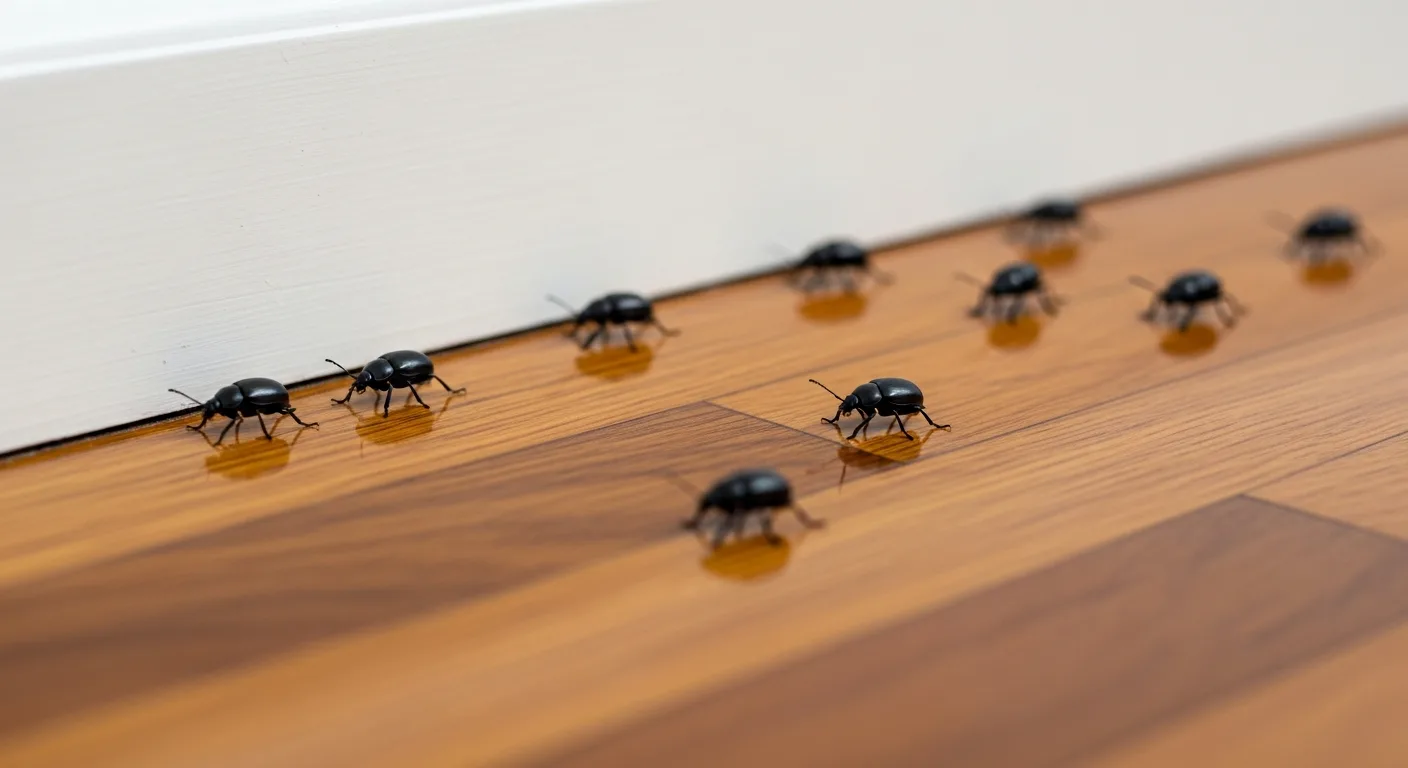
- Cracks and Crevices: Baseboards and window sills are primary entry points.
- Pantry Items: Unsealed grains and cereals are a magnet for beetles.
- Pet Bedding: Organic material and dander provide a feast for larvae.
- Damp Basements: High humidity attracts silverfish and centipedes.
Actionable Steps to Eliminate Black Bugs
Once he has identified the intruder, the next step is systematic removal. For pantry pests, the solution is simple but tedious: throw away all infested food and wipe down shelves with white vinegar. For carpet beetles, deep cleaning is the best defense. He should vacuum every corner of the room, including under heavy furniture where dust bunnies and hair accumulate.
If the infestation has spread beyond a single room, it might be time to implement more robust DIY pest control methods to secure the perimeter. Sealing gaps around doors and windows with silicone caulk prevents new bugs from entering, while boric acid or diatomaceous earth can be used in hard-to-reach areas to kill existing pests without heavy chemicals.
For larger black bugs like cockroaches or crickets, sticky traps are an excellent way to monitor the population size. If he catches dozens in a single night, the problem is likely too large for simple cleaning and may require professional-grade baits or gels. Always ensure that any bait stations are placed in areas where pets cannot reach them.
Preventing Future Infestations
Prevention is always more cost-effective than a cure. A man can keep his home bug-free by maintaining a strict cleaning schedule and controlling the environment. Reducing indoor humidity with a dehumidifier makes the home less hospitable to moisture-loving insects like sowbugs or pillbugs.
Regularly inspecting the exterior of the house is also vital. He should check that the foundation is clear of debris and that firewood is stored at least twenty feet away from the structure. Bugs often hitch a ride on wood or outdoor equipment, so a quick brush-off before bringing items inside can save hours of frustration later.
Frequently Asked Questions
Are tiny black bugs in the house dangerous?
Most small black bugs, like carpet beetles or weevils, are not dangerous to humans but can cause significant damage to property, such as clothing and food supplies. However, cockroaches can carry bacteria and allergens.
How do I get rid of black bugs in my kitchen?
Start by identifying the source. If they are in the pantry, discard infested food and clean the area with vinegar. For drains, use a specialized enzyme cleaner to remove the organic buildup where they breed.
Why do I see black bugs near my windows?
Many insects, including carpet beetles and clover mites, are attracted to light. They often enter through small gaps in the window frame or screen and congregate on the sill trying to get back outside.
Can I use natural remedies to kill these bugs?
Yes, diatomaceous earth and essential oils like peppermint or neem oil can be effective deterrents for many small black insects. They are generally safer for use in homes with pets compared to heavy pesticides.