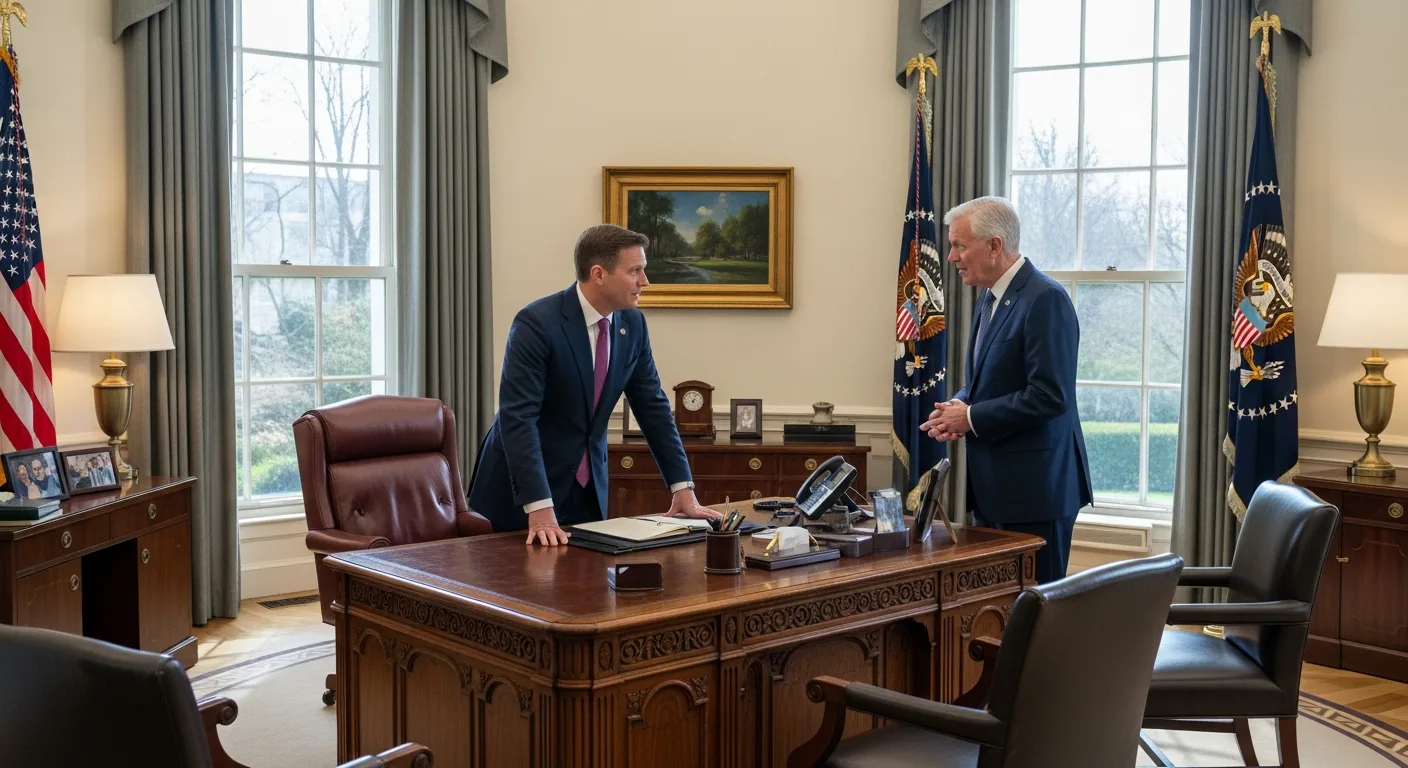
The Gatekeeper’s Mandate: What Does the White House Chief of Staff Actually Do?
The White House Chief of Staff is often described as the second most powerful person in Washington. While he is an unelected official, his influence over the executive branch is absolute. He serves as the President’s primary advisor, the manager of the Executive Office of the President (EOP), and the ultimate filter for every piece of information that reaches the Oval Office.
His day begins long before the sun rises and often ends well after the President has retired for the evening. He must balance the competing interests of Cabinet secretaries, members of Congress, and political donors, all while ensuring the President’s policy agenda remains on track. While many professionals look toward advancing their organizational leadership skills in traditional sectors, the Chief of Staff operates in a high-stakes environment where a single scheduling error can have global consequences.
Controlling the Flow: Managing the President’s Time and Access
One of the most critical functions of the Chief of Staff is acting as the ultimate gatekeeper. He decides who gets a meeting with the President and, perhaps more importantly, who does not. By controlling the President’s schedule, he effectively controls the President’s priorities. If a policy issue does not make it onto the calendar, it effectively does not exist in the eyes of the administration.
- Information Filtering: He reviews every memo, briefing book, and report before it hits the Resolute Desk.
- Conflict Resolution: He settles disputes between departments so the President only has to deal with the most difficult, final decisions.
- The “No” Man: He often takes the heat for denying requests, protecting the President’s political capital.
Policy Architect and Crisis Manager
Beyond administrative duties, the Chief of Staff is a central figure in legislative strategy. He works closely with leaders on Capitol Hill to negotiate the passage of key bills. When a national security crisis or a domestic emergency occurs, he is the one who assembles the “War Room,” coordinating the response across various federal agencies.
He must possess an encyclopedic knowledge of the federal budget, foreign policy, and domestic law. To succeed, he implements rigorous management strategies that ensure the West Wing operates with military-like precision. He is the glue that holds the administration together during periods of intense public scrutiny or political turmoil.
The Evolution of the Role: From Assistant to Power Player
The position has not always been this influential. Historically, Presidents relied on a “Secretary to the President.” It wasn’t until the mid-20th century that the role evolved into the modern Chief of Staff. Today, the President relies on him to be a political lightning rod, absorbing criticism that would otherwise be directed at the Commander-in-Chief.
Each Chief of Staff brings his own style to the West Wing. Some are “enforcers” who rule with an iron fist to maintain discipline, while others act as “diplomats” who focus on building bridges with the opposition. Regardless of his style, his loyalty to the President must be absolute. He is the man who tells the President the hard truths that others are too intimidated to mention.
Essential Skills for the West Wing’s Top Executive
What makes a successful Chief of Staff? It requires a rare combination of political intuition, administrative brilliance, and physical endurance. He must be able to anticipate problems before they arise and have a solution ready before the President even asks.
He is responsible for hiring and firing West Wing staff, meaning he must be an expert judge of character. If a staffer goes rogue or a scandal breaks, it is the Chief of Staff who must clean up the mess. He operates in the shadows, often preferring to stay out of the headlines while exercising more power than almost anyone else in the federal government.
Frequently Asked Questions
Is the White House Chief of Staff a Cabinet-level position?
Yes, in most modern administrations, the President grants the Chief of Staff Cabinet-rank status, though the position does not require Senate confirmation.
Who was the first White House Chief of Staff?
John R. Steelman was the first to hold the official title under President Harry S. Truman in 1946, though the role’s power expanded significantly under later administrations.
Can the Chief of Staff be fired by the President?
Yes, the Chief of Staff serves at the pleasure of the President and can be dismissed at any time without a formal process.
How long does a Chief of Staff typically serve?
The role is notoriously exhausting. Most men serve for about two years before the high-pressure environment leads to burnout or a transition to a different role.