The Foundation of a High-Performance Commercial Kitchen
A professional kitchen is a high-pressure environment where every second counts. For a chef or restaurant owner, commercial kitchen equipment isn’t just a purchase; it’s an investment in the survival of his business. He needs gear that can withstand 18-hour shifts, extreme temperatures, and the relentless pace of a dinner rush. In 2026, the focus has shifted toward equipment that balances raw power with smart, energy-saving technology.
When a restaurateur begins selecting the right heavy-duty tools, he must prioritize reliability over aesthetics. A flashy oven is useless if it cannot maintain a consistent temperature during a peak Saturday night service. He should look for heavy-gauge stainless steel construction, intuitive controls, and components that are easy to service.
Primary Cooking Equipment: The Engine Room
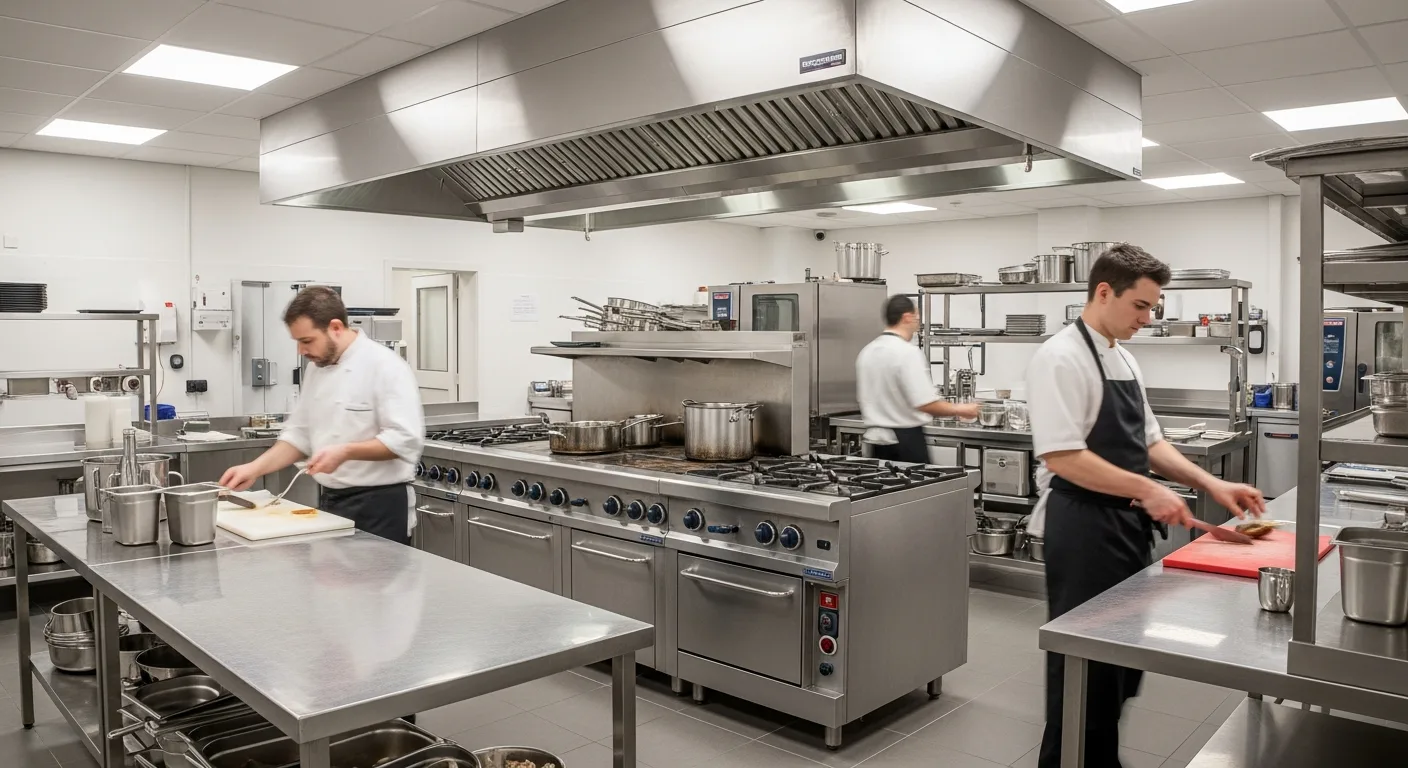
The cooking line is where the magic happens, and it requires specialized machinery to handle the volume. A standard residential stove will fail within weeks in a commercial setting. Instead, he must invest in industrial-grade ranges, convection ovens, and fryers.
- Commercial Ranges: These are the workhorses. He should choose between gas for immediate heat control or high-efficiency induction for a cooler kitchen environment.
- Convection Ovens: Essential for even baking and roasting. Modern units now feature programmable cycles that allow him to replicate complex recipes with the push of a button.
- Deep Fryers: Speed is the priority here. High-recovery fryers ensure the oil temperature doesn’t drop too low when frozen products are dropped in, preventing soggy, greasy food.
Refrigeration and Cold Storage Solutions
Food safety is non-negotiable. A chef needs refrigeration that can recover its internal temperature quickly after the door has been opened dozens of times an hour. In 2026, smart sensors are standard, alerting him via his smartphone if a compressor fails or a door is left ajar.
Walk-in coolers are necessary for high-volume establishments, while reach-in refrigerators and prep tables keep ingredients at his fingertips. He must ensure that his refrigeration units use eco-friendly refrigerants to comply with modern environmental standards and reduce his long-term utility costs.
Optimizing Workflow and Layout
The best equipment in the world won’t save a poorly designed kitchen. By optimizing his floor plan for speed, he ensures that his staff isn’t tripping over one another. The goal is to create a seamless flow from the prep station to the cooking line, and finally to the plating area.
Ergonomics play a massive role in staff retention and safety. He should position heavy equipment at heights that minimize strain on his cooks’ backs and ensure that high-traffic zones are wide enough for two people to pass safely. Proper ventilation is also a major factor; a high-CFM hood system is required to pull heat and grease out of the air, keeping the workspace breathable.
Maintenance and Long-Term Durability
He cannot afford downtime. Every hour a piece of equipment is out of commission is an hour of lost revenue. A smart operator schedules regular preventative maintenance for his commercial kitchen equipment. This includes cleaning condenser coils on fridges, recalibrating oven thermostats, and checking gas connections.
Buying from reputable brands ensures that when a part does break, he can find a replacement quickly. He should keep a log of all service dates and warranty information to stay ahead of potential failures. High-quality equipment, when maintained properly, can easily serve his business for over a decade.
Frequently Asked Questions
What is the most important piece of commercial kitchen equipment?
The commercial range is generally considered the heart of the kitchen. It provides the versatility needed for sautéing, boiling, and simmering, often serving as the primary cooking station for most menus.
How long does commercial kitchen equipment typically last?
With proper maintenance, high-quality commercial gear should last between 10 and 15 years. Refrigeration units and ovens are particularly durable if their components are serviced annually.
Should I buy new or used commercial equipment?
He should buy new for items with complex moving parts or electronics, like ovens and refrigerators, to benefit from warranties. However, simple items like stainless steel prep tables or shelving are excellent candidates for buying used to save on initial costs.