Understanding the Baby House Centipede
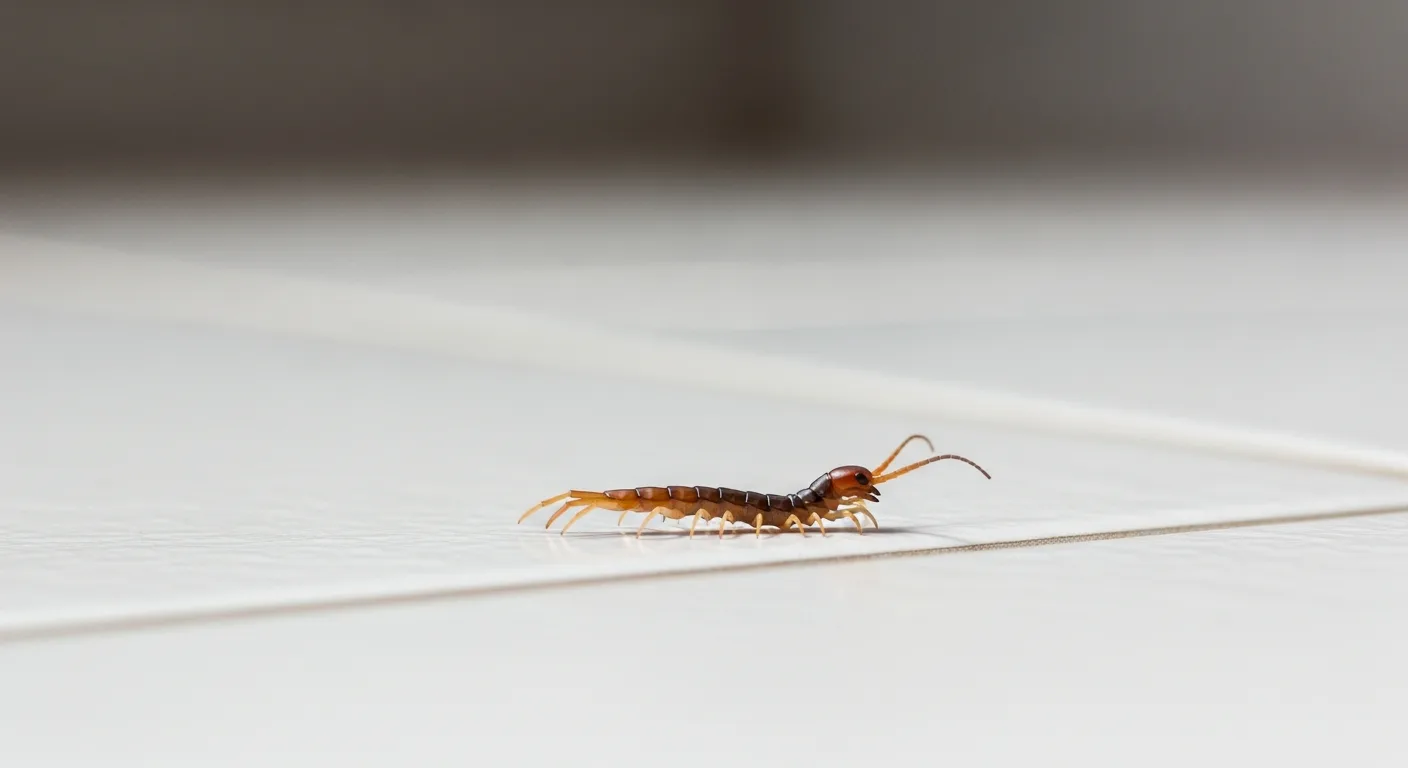
Finding a tiny, multi-legged creature darting across the basement floor can be a jarring experience for any homeowner. If he spots a miniature version of the leggy predators he is used to seeing, he has likely encountered a baby house centipede. These nymphs are the early life stages of Scutigera coleoptrata, and while they may look intimidating, they are actually fascinating specimens of the insect world.
Unlike many other household pests, house centipedes are not born with their full complement of legs. A baby house centipede typically emerges from its egg with only four pairs of legs. As he grows and undergoes several molts, he will gradually add more pairs until he reaches the adult standard of 15 pairs. This unique growth process is one reason why a man might not immediately recognize the tiny intruder as a centipede.
How to Identify a Baby House Centipede
Identification is the first step in determining whether a man needs to take action. A baby house centipede is usually quite small, often less than half an inch long. His body is typically a translucent white or light yellow color, lacking the darker stripes that define an adult. Despite his small size, he retains the characteristic long antennae and the rapid, darting movement that makes centipedes so recognizable.
If a man notices these creatures frequently, it is a sign that a breeding population exists within the structure. Because they are so small, they can hide in the tiniest crevices of a home’s foundation or behind baseboards. Understanding their lifecycle is a key part of mastering various DIY pest control centipedes and ants techniques to keep the home environment comfortable.
Why Are They in Your Home?
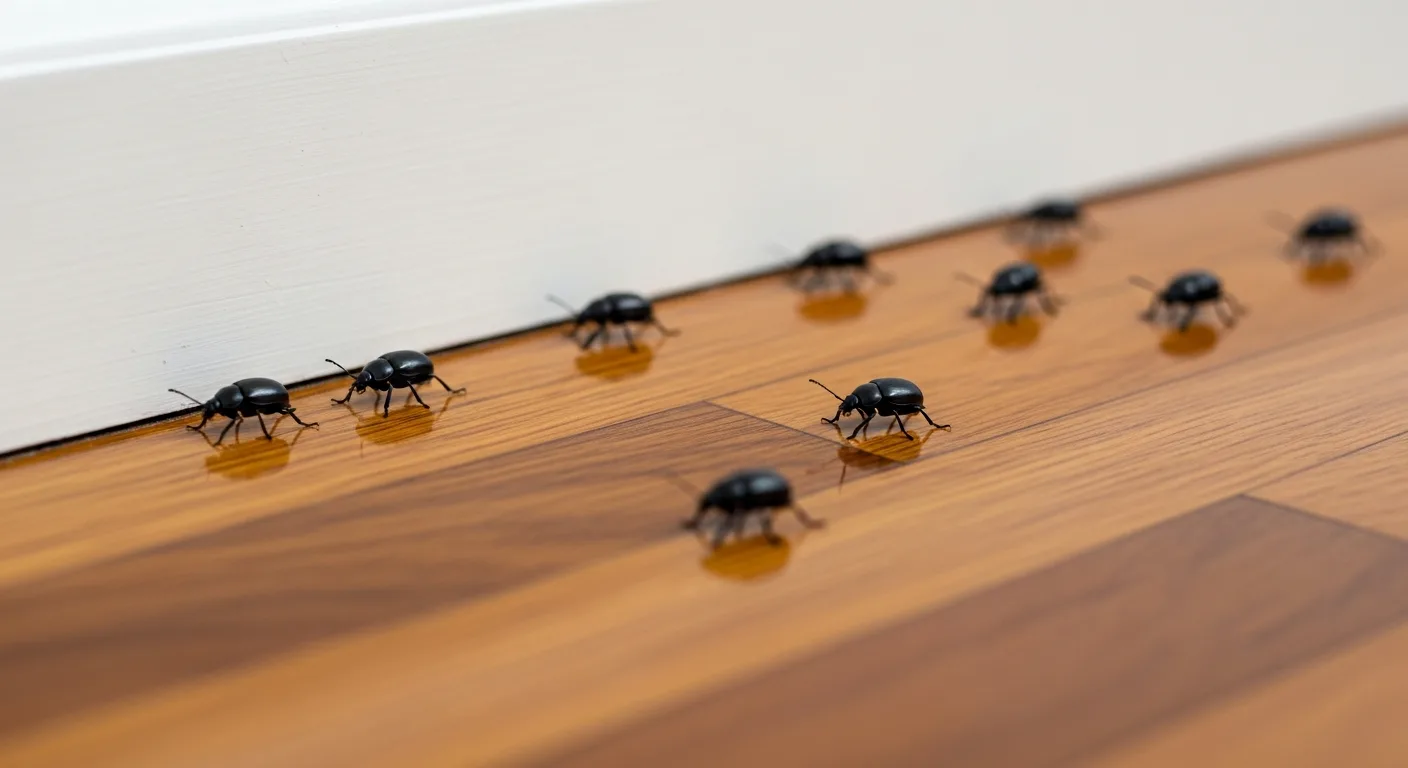
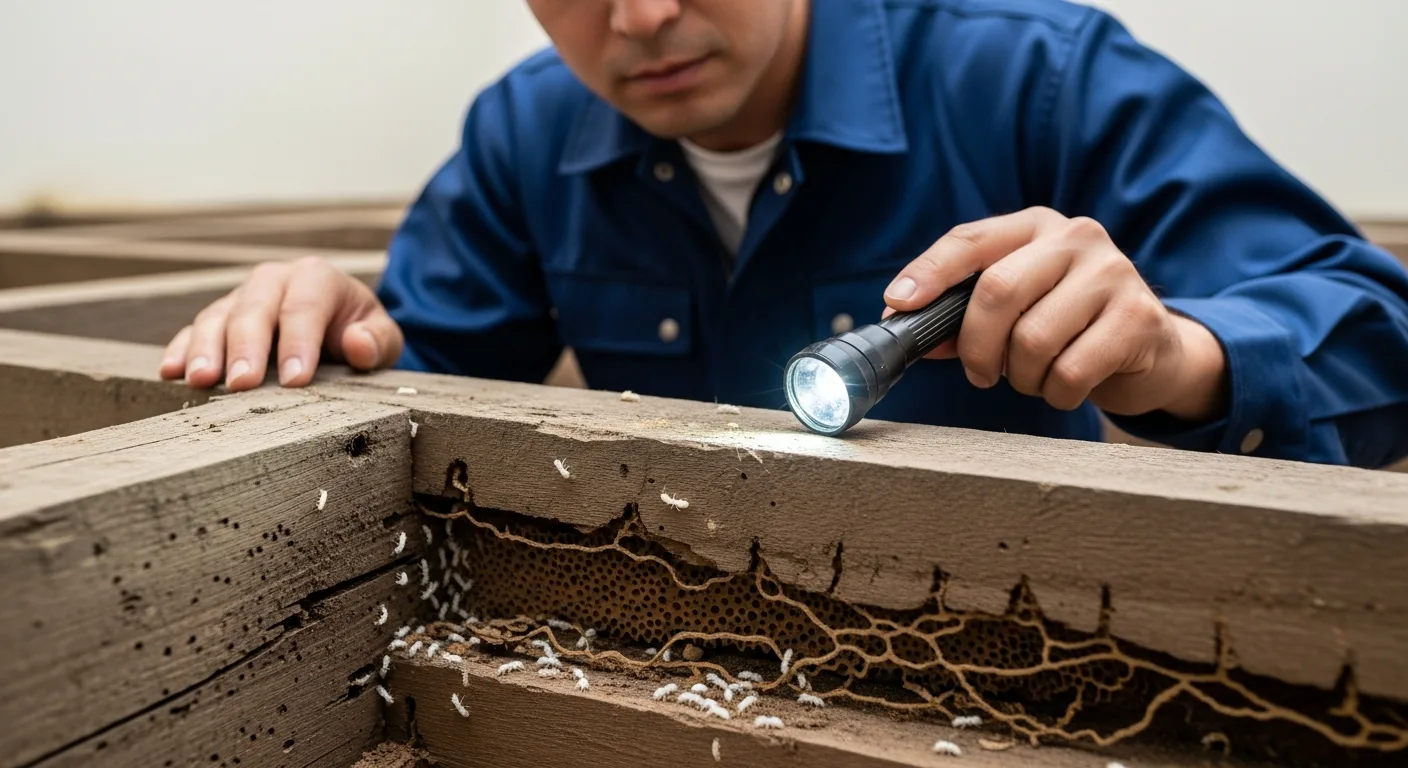
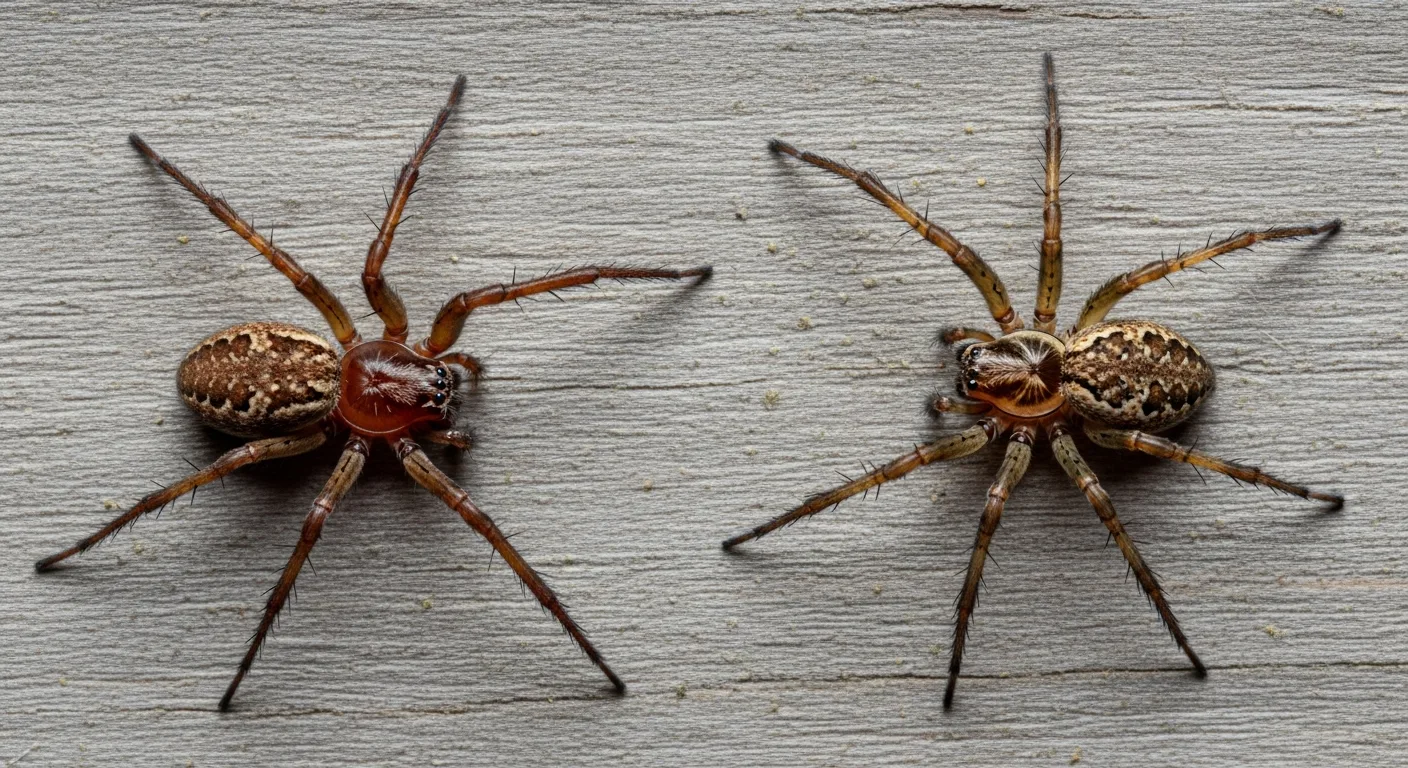
The presence of baby house centipedes usually points to two specific environmental factors: high humidity and an abundant food source. These insects are predatory by nature. If a man sees them, it often means he has other small insects like silverfish, carpet beetle larvae, or mites living in his walls. The babies are simply following the food.
They thrive in damp, dark environments. This is why he will most often find them in bathrooms, basements, or crawl spaces. They require moisture to survive, as they do not have the waxy cuticle that many other insects use to retain water. If his home is particularly humid, he is essentially providing a five-star resort for these leggy guests.
Are Baby House Centipedes Dangerous?
One of the most common concerns a man has when encountering these pests is whether they pose a threat to his health or his property. The short answer is no. Baby house centipedes do not have the jaw strength to pierce human skin. Even as adults, they are extremely shy and prefer to flee rather than fight. They do not carry diseases, nor do they eat wood, fabrics, or food stored in the pantry.
In fact, many entomologists consider them “beneficial” because they act as a natural form of pest control. By hunting down the insects that actually do cause damage, the centipede helps maintain the balance of the indoor ecosystem. However, most men still prefer not to share their living quarters with them, regardless of their benefits.
Effective Management and Prevention
To reduce the number of baby centipedes, a man must address the root causes of the infestation. This involves a combination of moisture control and sealing entry points. Using a dehumidifier in the basement can make the environment much less hospitable for them. Additionally, he should check for leaky pipes or dripping faucets that might be creating damp micro-climates.
Sealing cracks in the foundation and applying weather stripping to doors can prevent new adults from entering to lay eggs. For those looking for more comprehensive solutions, integrating broader household pest control strategies will ensure that the centipedes’ food source is eliminated, forcing them to move elsewhere in search of a meal.
Frequently Asked Questions
Do baby house centipedes travel in groups?
No, they are generally solitary hunters. If a man sees several at once, it is likely because a nearby egg clutch has recently hatched, rather than the insects traveling together as a pack.
How long does it take for a baby to become an adult?
It can take up to three years for a house centipede to reach full maturity. During this time, he will molt several times, adding legs and size with each successive stage.
Can they survive in dry rooms?
It is very difficult for them to survive in dry environments. If a man keeps his home’s humidity levels below 50%, he will likely see a significant decrease in centipede activity.
What do baby house centipedes eat?
They eat very small soft-bodied insects, such as mites, small larvae, and even the eggs of other household pests. They are highly efficient hunters even at a young age.