Navigating the Financial Landscape of New Home Construction
Building a custom home represents the pinnacle of property ownership for many men. It offers the unique opportunity for a homeowner to tailor every square foot to his specific lifestyle and preferences. However, as we move through 2026, the economic landscape has shifted, influenced by evolving labor markets and material supply chains. Understanding the average cost to build a house is no longer just about the price of lumber; it involves a complex calculation of site preparation, permit fees, and high-tech integrations.
On average, a homeowner can expect to pay anywhere from $150 to $450 per square foot, depending on the level of luxury and the geographic region. When a man begins his journey into property ownership, he often compares the price of existing inventory against the home building guide process costs that come with a custom project to determine the best return on his investment.
Breakdown of Major Construction Expenses
The total price tag of a new build is generally divided into several core categories. By understanding these divisions, a man can better allocate his budget and identify areas where he might save or where he should invest more heavily for long-term durability.
- Land Acquisition: This is often the most variable cost. A prime lot in an urban center will cost significantly more than a rural plot, though the latter may require more expensive utility connections.
- Site Preparation: Before the first shovel hits the ground, the land must be cleared, leveled, and tested. This includes soil testing and excavation.
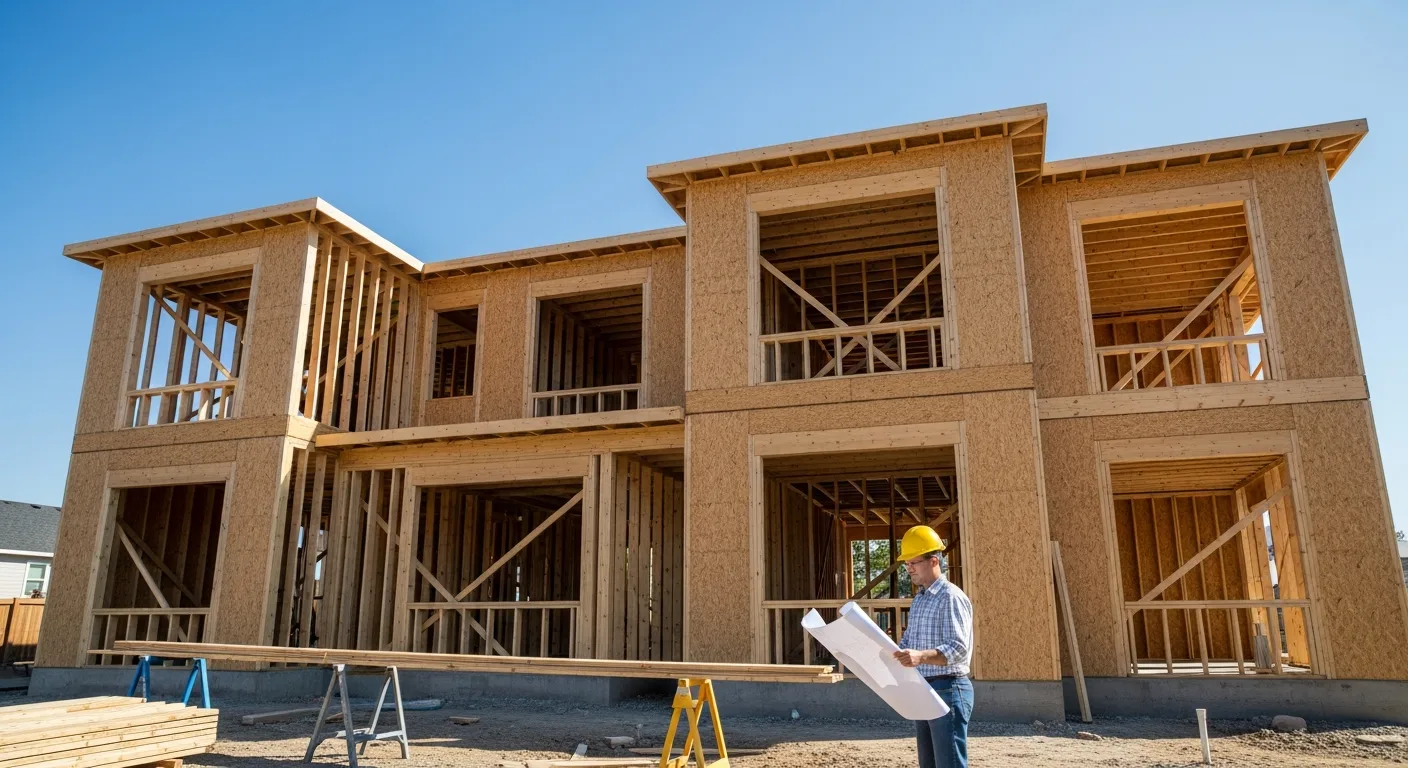
- Foundation and Framing: These are the structural bones of the house. Framing alone can account for nearly 20% of the total build cost, especially if the homeowner opts for premium hardwoods or specialized steel structures.
- Interior Finishes: This is where budgets often expand. High-end cabinetry, stone countertops, and professional-grade appliances can quickly double the cost of a standard room.
The Impact of Location and Labor
Geography remains a primary driver of construction costs. In high-demand coastal regions, a man may find that labor costs are nearly double what he would pay in the Midwest. Skilled tradesmen—electricians, plumbers, and HVAC specialists—have seen their rates rise as the demand for modern, energy-efficient systems grows.
For a man navigating the first-time home buyer process, it is critical to get multiple quotes from reputable general contractors. He should ensure that each quote is comprehensive, covering not just the building materials but also the insurance and workers’ compensation fees that protect his interests during the build.
Hidden Costs Every Homeowner Should Anticipate
Experienced builders know that the quoted price is rarely the final price. A smart homeowner sets aside a contingency fund of at least 10% to 15% to cover unforeseen issues. These might include:
- Permits and Impact Fees: Local municipalities often charge significant fees for the privilege of connecting to public infrastructure.
- Landscaping and Driveways: Many initial estimates focus solely on the structure itself, leaving the homeowner to fund his own lawns, trees, and paving later.
- Financing Costs: Construction loans typically have higher interest rates than standard mortgages and require careful management of draws to pay subcontractors.
Sustainable Building and Long-Term Value
In 2026, there is a growing emphasis on high-performance homes. While the upfront cost to install geothermal heating or advanced solar arrays may be higher, the modern homeowner recognizes that these investments reduce his monthly overhead. He views his home not just as a shelter, but as a sophisticated asset that must be maintained with precision to retain its market value.
Frequently Asked Questions
What is the cheapest type of house to build?
Generally, a simple rectangular ranch-style home is the most cost-effective. Reducing the number of corners in the foundation and roofline significantly lowers labor and material expenses for the homeowner.
How long does it take to build a new home from scratch?
While timelines vary based on weather and complexity, most custom builds take between 8 and 12 months. This includes the time needed for the homeowner to secure permits and complete the architectural design phase.
Is it cheaper to buy an existing home or build a new one?
In many markets, buying an existing home remains cheaper upfront. However, a new build allows a man to avoid the immediate costs of renovation and repair that often plague older properties, potentially saving him money over the first decade of ownership.
Does the cost include the price of land?
Most “cost per square foot” estimates provided by builders do not include the purchase price of the land. The homeowner must budget for the lot separately before calculating his construction expenses.