Understanding the Different Types of Espresso Machines
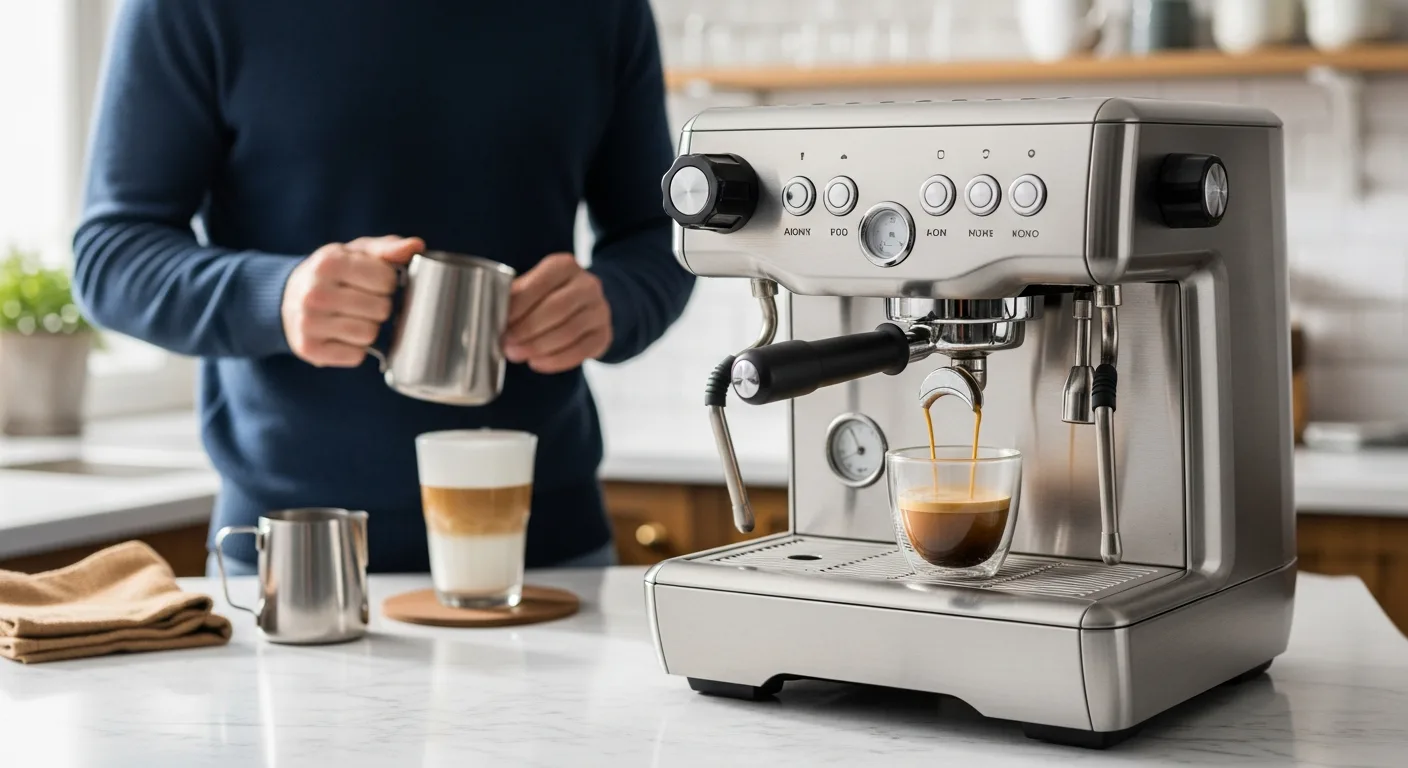
For a man who takes his morning ritual seriously, selecting the best at home espresso machine is more than a simple appliance purchase; it is an investment in his lifestyle. The market in 2026 offers a range of options that cater to different skill levels, from the hands-on enthusiast to the busy professional who needs quality at the touch of a button.
Generally, home machines fall into three categories: manual, semi-automatic, and super-automatic. A manual machine requires the user to exert physical pressure via a lever, giving him total control over the extraction. Semi-automatic machines are the most popular choice for the home barista, as they handle the water pressure while allowing the user to control the grind and tamping. For those who prioritize speed, a super-automatic machine handles everything from grinding the beans to frothing the milk, ensuring his coffee is ready in seconds.
Key Features to Look for in a Premium Home Setup
When a man begins his search, he must look beyond the shiny stainless steel exterior. The internal components determine whether the machine can produce a true café-quality shot. One of the most critical components is the PID controller, which ensures temperature stability. Without precise heat management, the espresso may end up tasting sour or burnt.
- Dual Boilers: Allows him to brew espresso and steam milk simultaneously, saving time during his morning routine.
- Pressure Gauges: Provides visual feedback so he can monitor the extraction pressure, ideally aiming for 9 bars.
- Build Quality: Heavy-duty brass or stainless steel components offer better heat retention and durability.
If he is working with limited counter real estate, he might want to consider how the machine fits alongside other kitchen appliances for small spaces. Compact models have advanced significantly, packed with high-end pumps that don’t sacrifice power for size.
Integrated Grinders vs. Standalone Units
A common debate for the aspiring home barista is whether to buy a machine with a built-in grinder or to purchase a separate unit. Machines with integrated grinders offer convenience and a smaller footprint. However, a standalone burr grinder often provides a more consistent grind size, which is the foundation of a perfect shot. He should decide if he values the streamlined look of an all-in-one system or the precision of a modular setup.
For those who appreciate the finer details of the craft, exploring a detailed at home espresso machine guide can help him understand the nuances of grind adjustment and dosing. Achieving the perfect crema requires a fine balance that only a high-quality grinder can provide.
How to Choose the Right Machine for Your Lifestyle
The best machine for one man might not be the best for another. He should consider how many drinks he prepares daily. If he frequently hosts guests or prepares multiple lattes for his family, a machine with a large water reservoir and a powerful steam wand is essential. Conversely, if he only drinks a single straight shot of espresso each morning, a smaller single-boiler machine will suffice.
He should also consider the maintenance requirements. High-end machines require regular backflushing and descaling to remain in peak condition. If he enjoys the process of tinkering and cleaning his gear, a semi-automatic machine will be a rewarding hobby. If he prefers a hands-off approach, a super-automatic model with self-cleaning cycles is the superior choice.
Maintenance Tips for Long-Term Performance
To ensure his investment lasts well into the future, a man must be diligent with upkeep. Using filtered water is the most effective way to prevent scale buildup, which is the leading cause of machine failure. He should also wipe down the steam wand immediately after every use to prevent milk proteins from hardening and clogging the tip.
Regularly replacing gaskets and group head screens will keep the pressure consistent and the flavor profile clean. By treating his machine with respect, he ensures that his daily espresso remains a highlight of his morning for years to come.
Frequently Asked Questions
What is the ideal pressure for brewing espresso?
The industry standard for espresso extraction is 9 bars of pressure. This provides enough force to emulsify the oils in the coffee grounds, creating the rich crema and intense flavor that defines a true espresso shot.
Is a semi-automatic machine hard to learn?
While there is a learning curve, most men find that they can master the basics within a few days. It requires him to understand the relationship between grind size, dose, and extraction time, but the reward is a significantly better cup of coffee.
Do I need a separate milk frother?
Most high-quality at home espresso machines come with a built-in steam wand. However, if he chooses a basic pod machine or a manual press, he may need to purchase a standalone electric frother to achieve the creamy texture required for lattes and cappuccinos.
How often should I descale my machine?
This depends on the hardness of his water. Generally, it is recommended to descale every 3 to 6 months. Using a dedicated descaling solution is safer for the internal components than using vinegar, which can leave a lingering aftertaste.