The Backbone of a High-Performance Kitchen
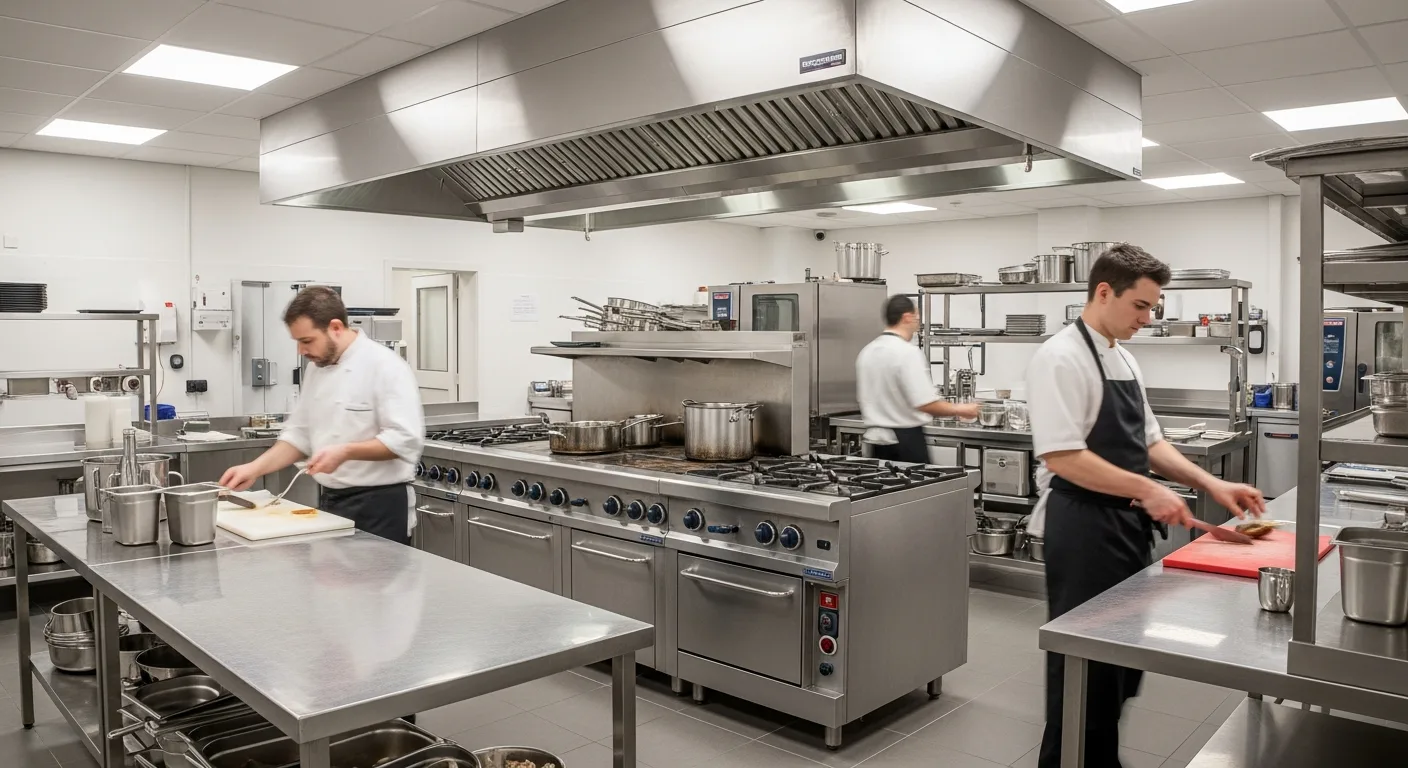
Running a professional kitchen is a high-stakes game where equipment failure isn’t just an inconvenience—it’s a financial disaster. When a chef is in the weeds during a Saturday night rush, he relies on commercial kitchen appliances that are engineered for endurance. Unlike residential models, these machines are built with heavy-gauge stainless steel, high-output heating elements, and cooling systems designed to maintain temperature even when the doors are opened a hundred times an hour.
In 2026, the shift toward smart, energy-efficient commercial gear has accelerated. A business owner must look beyond the price tag and evaluate the total cost of ownership, including energy consumption, maintenance frequency, and the speed of recovery times. He needs tools that work as hard as his line cooks do.
High-Output Ranges and Ovens
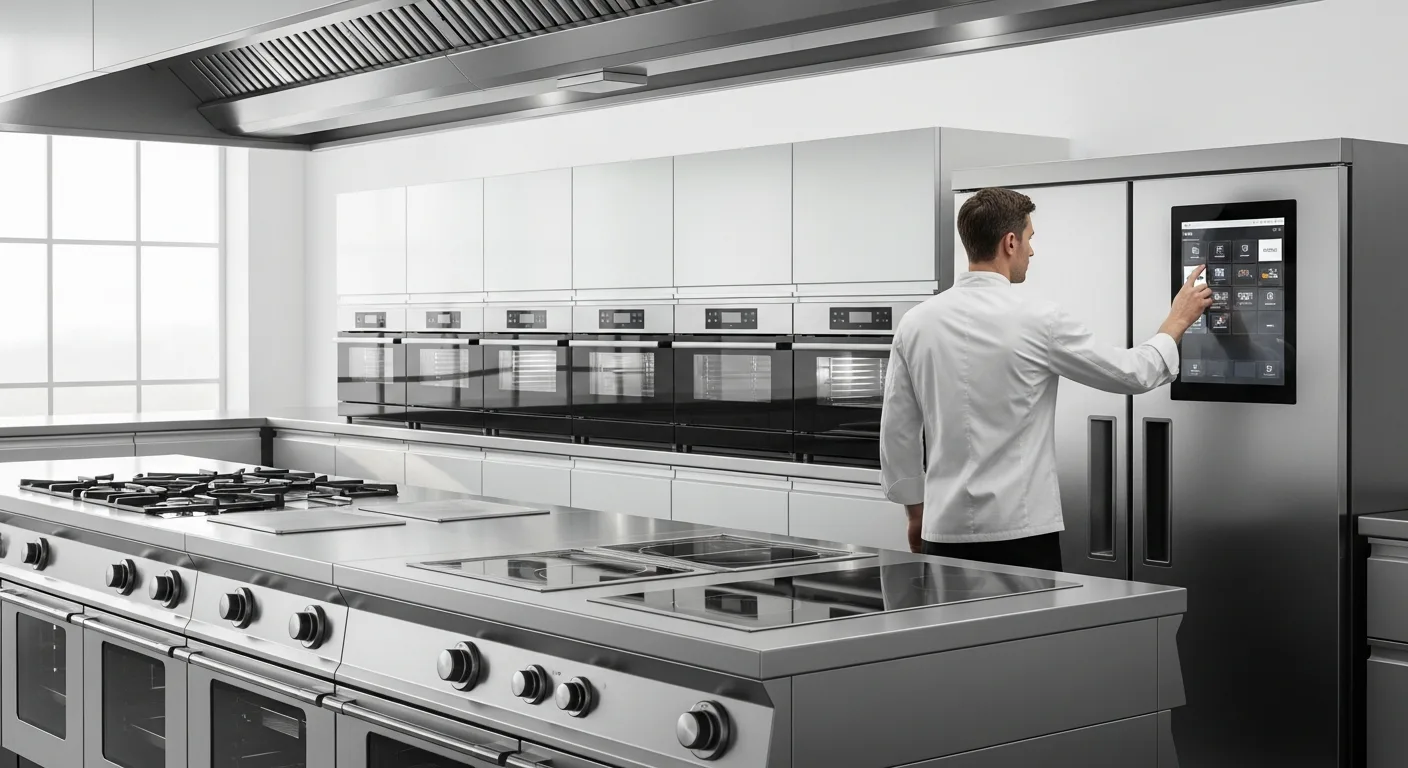
The range is the heart of the hot line. Whether he prefers the immediate control of gas or the precision of modern induction, the output is what matters. Commercial ranges typically offer 30,000 BTUs or more per burner, allowing a chef to sear proteins and boil large stocks in a fraction of the time it takes at home.
- Convection Ovens: These use fans to circulate hot air, ensuring even browning and faster cook times for high-volume baking or roasting.
- Combi Ovens: The gold standard for versatility, combining steam and convection to prevent meat shrinkage and maintain moisture.
- Induction Cooktops: Increasingly popular for their ability to keep the kitchen cooler and provide pinpoint temperature accuracy.
Refrigeration That Defies the Heat
Commercial refrigeration is about more than just keeping food cold; it’s about food safety and inventory protection. A restaurateur needs reach-in or walk-in units with powerful compressors that can pull temperatures down rapidly after the doors have been held open during a busy service. In 2026, many of these units feature digital monitoring systems that alert him on his phone if the temperature fluctuates beyond a safe range.
He should prioritize units with bottom-mounted compressors if he operates in a particularly hot environment, as they pull in cooler air from the floor level. Proper organization within these units is also vital for airflow, ensuring that every tray of prep stays at a consistent 38°F.
Efficiency in Food Preparation
Prep work is where the profit margins are often won or lost. High-speed food processors, planetary mixers, and vacuum sealers allow a chef to process bulk ingredients with minimal labor. While he focuses on the heavy machinery, he must also ensure his team has the right manual tools. Even when using the best kitchen knife brands, a chef needs a layout that minimizes unnecessary movement and maximizes output.
Investing in a high-quality meat slicer or a commercial-grade blender ensures that textures remain consistent across every plate served. These machines are designed with overload protection and easy-to-clean components, reducing the risk of cross-contamination and mechanical burnout.
Sanitation and Warewashing
A bottleneck at the dish pit can bring an entire restaurant to a screeching halt. Commercial dishwashers are designed to cycle in as little as 90 seconds, using high-temperature water or chemical sanitizers to meet health department codes instantly. He needs a machine that can handle the sheer volume of grease and baked-on food found in a professional setting.
The setup isn’t complete without a robust plumbing station. Selecting a durable, industrial-grade basin from a best kitchen sink guide ensures that the pre-rinse station can withstand constant spraying and heavy scrubbing. High-arc faucets with pull-down sprayers are essential for blasting debris off large pots and pans before they hit the machine.
Maintenance for Longevity
A smart operator knows that his equipment is only as good as his maintenance schedule. He should implement a strict routine for cleaning condenser coils, descaling steamers, and calibrating thermostats. Neglecting these tasks leads to premature equipment failure and spiked utility bills. By treating his appliances with the same respect he gives his ingredients, he ensures his kitchen remains a profitable, well-oiled machine for years to come.
Frequently Asked Questions
What is the main difference between commercial and residential appliances?
Commercial appliances are built for continuous use, featuring more powerful motors, higher BTU outputs, and durable materials like 304-grade stainless steel. They are also designed to meet strict health and safety regulations that residential units do not cover.
How long do commercial kitchen appliances typically last?
With proper maintenance, most commercial appliances last between 10 to 15 years. However, high-use items like fryers or grills may need more frequent part replacements due to the intense heat and grease exposure.
Is gas or electric better for a commercial kitchen?
Gas is traditionally preferred for its instant heat and reliability during power outages. However, electric and induction appliances are becoming more popular in 2026 due to their energy efficiency and the lower ambient heat they release into the workspace.