Understanding the Need for Specialized Baby Detergents
When a new father prepares for the arrival of his son, he often focuses on the nursery layout or the safety of the crib. However, one of the most significant environmental factors a newborn will face is the chemistry of his clothing. A baby’s skin is roughly 30% thinner than an adult’s, making him far more susceptible to chemical absorption and irritation from residual surfactants and fragrances.
Choosing the best baby laundry detergent isn’t just about a pleasant scent; it is about finding a formula that effectively removes organic stains while leaving zero irritating residues behind. In 2026, the market has shifted toward transparency, with many fathers demanding plant-based alternatives that perform as well as traditional heavy-duty cleaners.
Key Ingredients to Avoid in Baby Laundry Products
To ensure his child stays comfortable, a parent must become a savvy label reader. Many standard detergents contain “optical brighteners,” which are chemicals that remain on the fabric to reflect light and make clothes appear whiter. These can be a primary source of contact dermatitis for a little guy.
- Synthetic Fragrances: Often listed simply as “parfum,” these can contain phthalates.
- Sulfates (SLS/SLES): Harsh foaming agents that can strip the skin of natural oils.
- Parabens and Methylisothiazolinone: Preservatives that are known skin sensitizers.
- Dyes: Completely unnecessary for cleaning and a common trigger for rashes.
For those looking to boost cleaning power naturally without these additives, incorporating baking soda in laundry can help neutralize odors and soften fabrics without adding a single drop of synthetic perfume.
Top Features of Premium Baby Detergents in 2026
The modern landscape of home care has evolved. The best options now utilize advanced biotechnology to tackle the specific types of messes a baby makes. A father should look for detergents that emphasize the following:
Triple-Enzyme Formulas
Babies are notorious for protein-based stains, such as formula, breast milk, and biological blowouts. A detergent containing proteases and amylases will break these down at a molecular level. He should ensure the enzymes are derived from plants to maintain the “green” integrity of the wash.
Concentrated Liquid vs. Pods
While pods offer convenience, many experts recommend concentrated liquids for newborns. This allows the user to pre-treat specific spots directly. Furthermore, liquid dissolves more reliably in cold water cycles, which are often preferred to prevent the shrinking of delicate cotton onesies.
Hard Water Compatibility
The effectiveness of any soap is dictated by the mineral content of the water. If a man notices his baby’s clothes feel stiff or scratchy after drying, it may be due to mineral buildup. Investigating water quality solutions at home can significantly improve the performance of hypoallergenic detergents and extend the life of the wardrobe.
How to Properly Wash Newborn Clothing
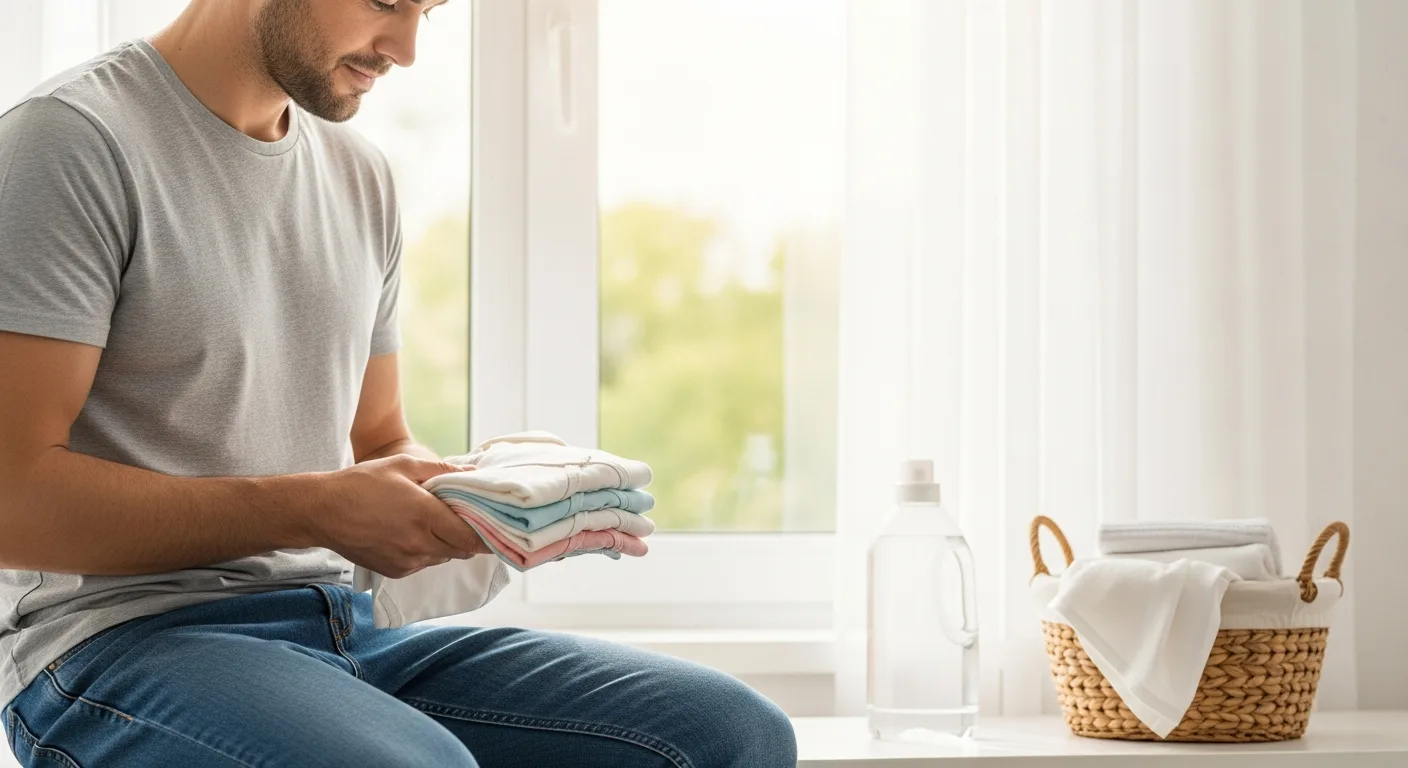
Buying the right product is only half the battle. The method of washing is equally important for a child’s skin health. He should follow these steps for the best results:
1. Pre-Wash New Items: Always wash new clothes before they touch the baby. Manufacturing processes often leave chemical finishes on the fabric to prevent wrinkling in the store.
2. The Double Rinse Cycle: Even the best baby laundry detergent can leave a trace if the machine is overloaded. Using an extra rinse cycle ensures that every bit of surfactant is stripped away.
3. Skip the Fabric Softener: Traditional liquid softeners and dryer sheets often contain the heaviest concentrations of fragrance and tallow-based coatings. If he wants soft clothes, a wool dryer ball is a much safer, chemical-free alternative.
Frequently Asked Questions
Is it okay to wash baby clothes with regular detergent?
While not strictly forbidden, regular detergents often contain dyes and fragrances that can cause a “contact rash” on a newborn. If a father chooses to use a family detergent, he should ensure it is a “Free and Clear” version that is dermatologist-tested.
When can I stop using baby-specific detergent?
Most pediatric experts suggest waiting until the child is at least one year old, or until his skin barrier has matured. However, many men find that switching the entire household to a sensitive-skin formula is easier and safer for everyone involved.
Does baby detergent actually remove tough stains?
Yes, provided it contains enzymes. Plant-based surfactants have become incredibly sophisticated by 2026, often outperforming older petroleum-based cleaners in removing organic matter without damaging the fabric fibers.
How much detergent should I actually use?
More is not better. Overusing detergent leads to buildup in the fabric, which can trap bacteria and irritate the skin. He should follow the manufacturer’s lines on the cap, usually using no more than two tablespoons for a standard load.