The Evolution of the At Home Espresso Machine
For the modern man, the morning ritual is more than just a caffeine delivery system; it is a moment of precision and craft. In 2026, the at home espresso machine has transitioned from a luxury novelty to a centerpiece of the sophisticated kitchen. No longer must a man rely on the local cafe to get a balanced shot of espresso. With the right equipment, he can control every variable of the extraction process from the comfort of his own countertop.
Investing in a high-quality machine requires an understanding of both mechanics and chemistry. When a man decides to elevate his coffee game, he is not just buying an appliance; he is acquiring a tool that demands mastery. Whether he prefers the tactile feedback of a manual lever or the high-tech precision of a dual-boiler system, the goal remains the same: the perfect syrupy extraction topped with a persistent layer of crema.
Understanding Different Machine Types
Before a man makes his purchase, he must identify which category of machine aligns with his lifestyle and his willingness to learn the craft. The market is generally divided into three main categories, each offering a different level of control.
Semi-Automatic Machines
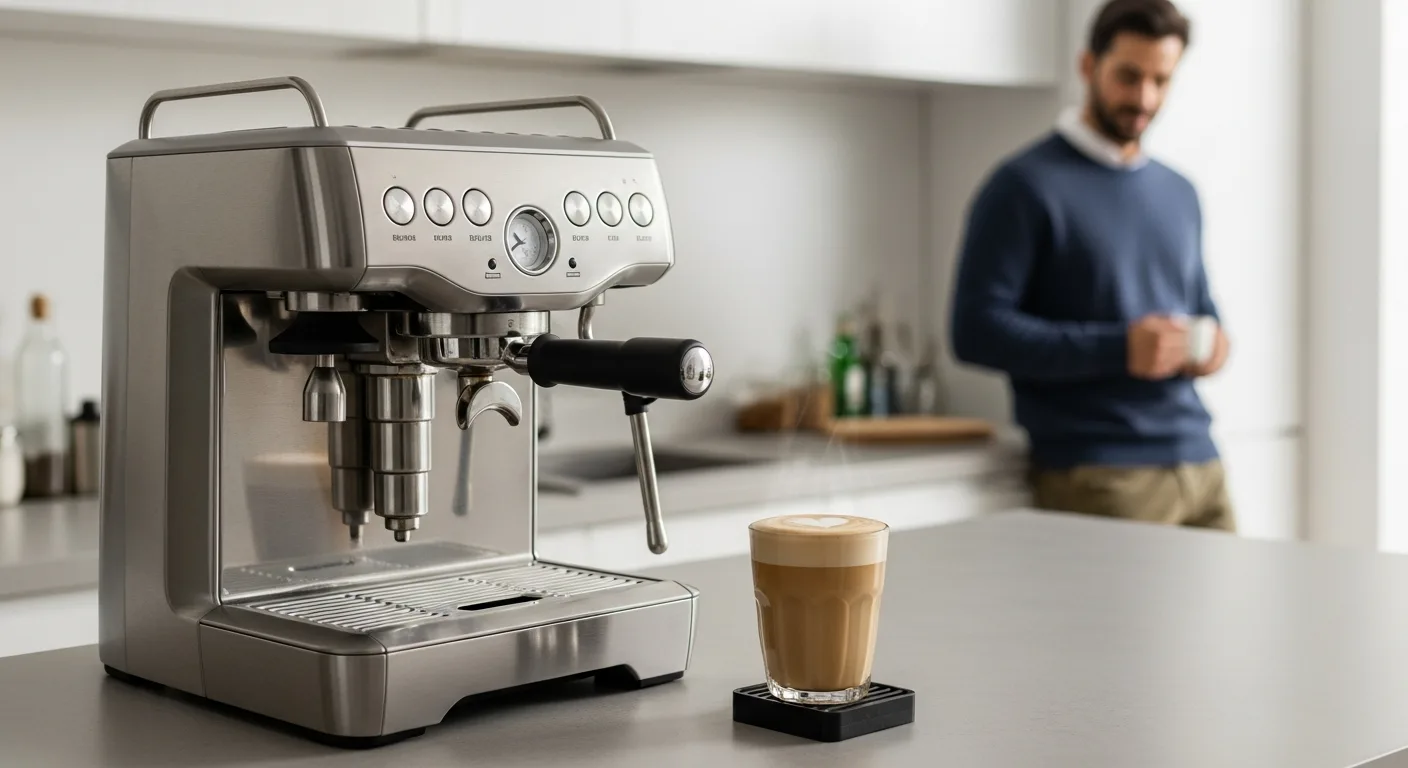
This is the gold standard for the enthusiast. A semi-automatic at home espresso machine gives the user control over the grind, the dose, and the tamping, while the machine handles the water pressure. He can engage the pump and decide exactly when to stop the shot, allowing him to dial in specific flavor profiles for different bean origins. Many men find that crafting a dedicated coffee station around a semi-automatic machine adds a masculine, artisanal aesthetic to their home.
Super-Automatic Systems
For the man who prioritizes efficiency and consistency, the super-automatic is the ultimate solution. These machines handle everything from grinding the beans to frothing the milk at the touch of a button. While he loses some of the granular control over the extraction, he gains a reliable, cafe-quality beverage in under sixty seconds. These are ideal for the busy professional who needs his morning fuel without the learning curve of a traditional portafilter.
Manual Lever Machines
The manual lever machine is for the purist. It requires the man to physically pull a lever to create the pressure needed for extraction. It is a rewarding, albeit difficult, process that allows for complete pressure profiling. He can feel the resistance of the coffee puck and adjust his strength accordingly to ensure a smooth flow.
Essential Features for the Home Barista
When evaluating an at home espresso machine, several technical specifications should be at the top of his checklist. These features dictate the stability and longevity of the unit.
- PID Temperature Control: This digital controller ensures the water temperature stays consistent. A man knows that even a two-degree fluctuation can turn a sweet shot into a bitter one.
- Boiler Type: Single boilers are compact, but a heat exchanger or dual-boiler system allows him to brew espresso and steam milk simultaneously, saving valuable time.
- Steam Wand Quality: A powerful, multi-hole steam wand is essential for creating the micro-foam required for a professional-grade latte or flat white.
- Portafilter Size: Look for a machine that uses a standard 58mm portafilter. This allows him to use a wider range of aftermarket accessories like precision baskets and distribution tools.
- Water Quality: The longevity of his machine depends on the water he puts into it. Understanding the impact of water filtration on flavor and scale prevention is vital for any machine owner.
The Importance of the Grinder
It is a common mistake for a man to spend his entire budget on the machine while neglecting the grinder. In reality, the grinder is the most important part of the setup. An at home espresso machine is only as good as the coffee it receives. He should look for a burr grinder with stepless adjustments, allowing him to make micro-adjustments to the grind size. This precision ensures that he can achieve the ideal 25-30 second extraction time that defines a world-class espresso.
Maintenance for Longevity
To ensure his investment lasts for years, a man must be diligent with maintenance. This includes daily backflushing with water and weekly cleaning with specialized espresso detergents. He should also be aware of the mineral content in his local water supply; descaling a machine is a necessary chore that prevents internal blockages and maintains heating efficiency. By taking care of his equipment, he ensures that every cup is as fresh as the first one he pulled.
Frequently Asked Questions
How much should I spend on an at home espresso machine?
A high-quality entry-level setup typically starts around $500, but a man looking for long-term durability and prosumer features should expect to invest between $1,500 and $2,500 for a machine and a capable grinder.
Is it hard to learn how to make espresso?
There is a learning curve involved. A man will likely go through several bags of beans before he masters the relationship between grind size, dose, and yield. However, the process of learning the craft is often half the fun for coffee enthusiasts.
How long does an espresso machine last?
With proper maintenance and regular servicing, a high-end at home espresso machine can easily last 10 to 15 years. Using filtered water and cleaning the group head regularly are the most important factors in its lifespan.
Do I need a plumbed-in machine?
Most home machines use a refillable water reservoir. While plumbing a machine directly into a water line is convenient for a man who drinks a lot of coffee, it is not a necessity for most home setups.