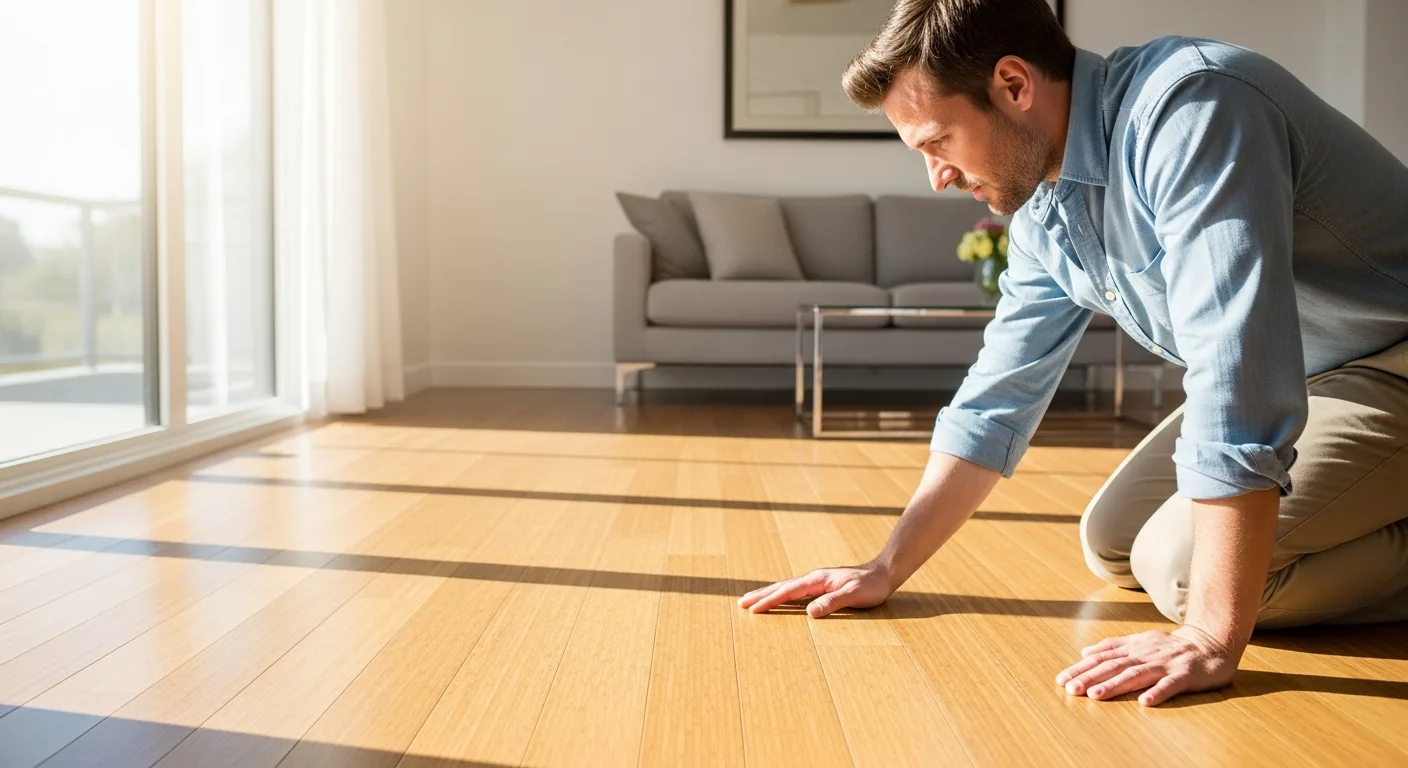
Understanding Bamboo Hardwood Flooring: Is It Actually Wood?
When a homeowner begins his search for a durable and aesthetically pleasing floor, he often encounters bamboo hardwood flooring. While technically classified as a fast-growing grass, bamboo is processed into planks that rival the strength and appearance of traditional hardwoods like oak or maple. In 2026, it has become a staple in modern residential design due to its rapid renewability and impressive performance metrics.
The manufacturing process involves slicing the bamboo stalks and bonding them under intense heat and pressure. This results in a material that behaves much like timber, allowing a man to sand, finish, and maintain it with similar techniques used for classic oak floors. However, the internal structure of bamboo offers unique advantages in terms of tensile strength and environmental impact.
The Three Primary Types of Bamboo Flooring
Before a man invests in new flooring, he must understand that not all bamboo products are created equal. The construction method significantly dictates how the floor will wear over time.
- Strand Woven Bamboo: This is the gold standard for durability. It is made by shredding bamboo fibers and compressing them with resin. It is incredibly dense and perfect for high-traffic areas.
- Horizontal Bamboo: This style features visible “knuckles” or nodes, showcasing the natural aesthetic of the bamboo stalk. It offers a distinct, exotic look.
- Vertical Bamboo: The strips are turned on their side and glued together, resulting in a uniform, linear grain pattern that fits well in minimalist or contemporary spaces.
Durability and the Janka Hardness Scale
A primary concern for any man upgrading his home is how well the floor handles daily abuse. On the Janka Hardness Scale, which measures the resistance of a wood sample to denting, strand-woven bamboo often scores higher than 3,000 lbf. To put that in perspective, natural red oak typically scores around 1,290 lbf.
Because of this density, bamboo is less prone to scratches from furniture or heavy foot traffic. If a man is planning a high-end remodel, he knows that choosing a material with high structural integrity is essential for long-term satisfaction. Ensuring the base of the home is ready is equally important; for instance, he might need to look into addressing subfloor issues before the installation begins to ensure a perfectly level surface.
Installation and Moisture Resistance
Bamboo flooring is generally more resistant to moisture than traditional hardwoods, but it is not waterproof. It reacts to humidity by expanding and contracting, though often to a lesser degree than solid oak. Most professionals recommend acclimating the planks in the room for at least 72 hours before he starts the installation process.
Whether he chooses a nail-down, glue-down, or click-lock system, the subfloor must be dry and debris-free. Proper installation ensures the floor remains silent and stable for decades. For those looking to maximize their investment, high-quality flooring is one of the most effective ways to increase home value, as many modern buyers specifically look for sustainable materials.
Sustainability: The Eco-Conscious Choice
Bamboo is one of the most sustainable building materials available to a man today. While a typical hardwood tree takes 30 to 50 years to reach maturity, bamboo can be harvested every 3 to 5 years without killing the plant. The root system remains intact, allowing it to regrow quickly. For the homeowner concerned with his carbon footprint, bamboo offers a way to achieve a luxury look without the environmental guilt associated with old-growth timber harvesting.
Frequently Asked Questions
Is bamboo hardwood flooring harder than traditional oak?
Yes, specifically strand-woven bamboo is significantly harder than red or white oak. It is one of the toughest flooring options on the market, making it highly resistant to dents and impacts.
Can bamboo flooring be installed in bathrooms?
While bamboo is more moisture-resistant than most hardwoods, it is generally not recommended for full bathrooms where standing water is common. It is, however, an excellent choice for kitchens and powder rooms.
How do you clean and maintain bamboo floors?
A man should maintain his bamboo floors by sweeping regularly to remove grit and using a damp (not soaking) mop with a pH-neutral cleaner. Avoiding harsh chemicals and excessive water will preserve the finish for years.
Does bamboo flooring fade in sunlight?
Like all natural materials, bamboo can change color when exposed to direct UV rays over a long period. Using curtains or UV-resistant window films can help a man protect his floor’s original hue.