The Reality of Custom Home Renovation
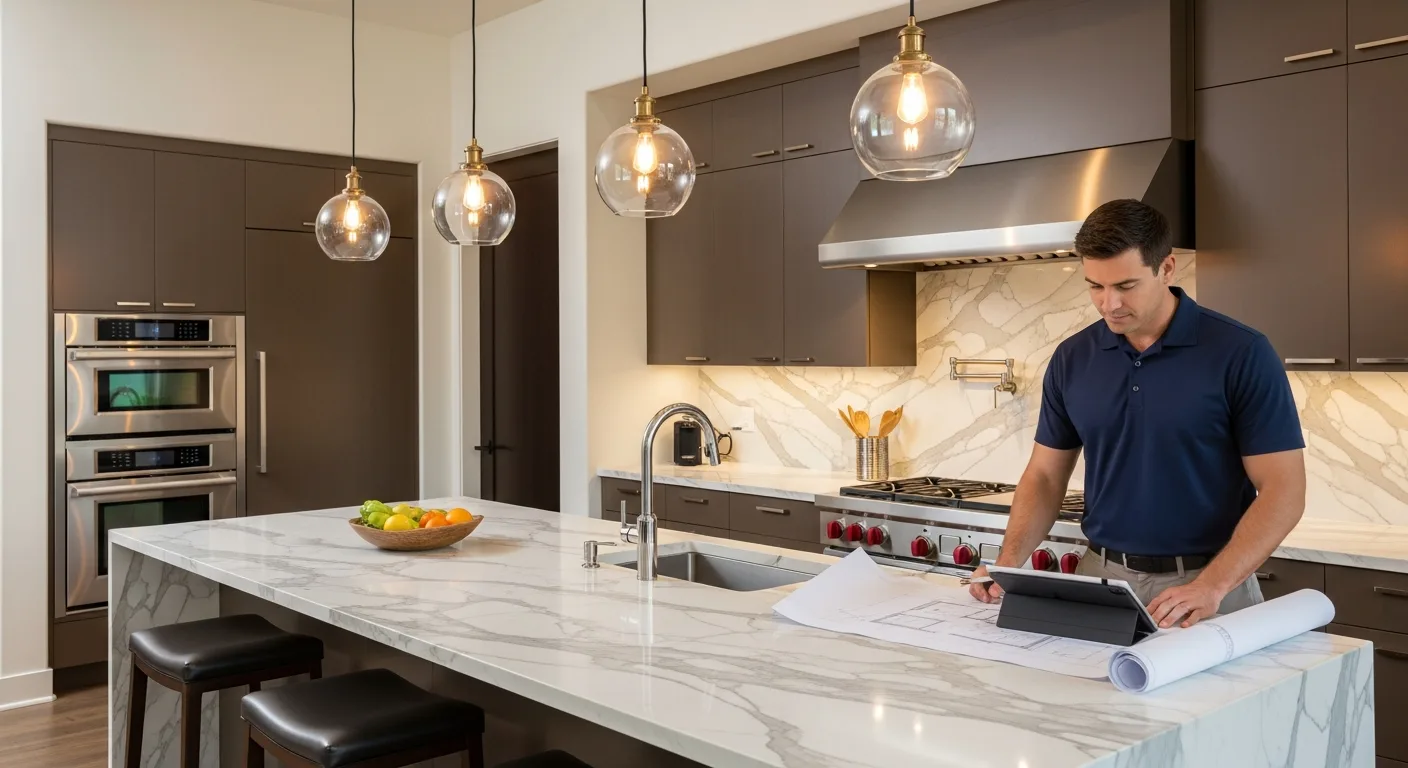
Most men buy a house for its potential, not its current state. Over time, the layout that seemed functional five years ago starts to feel restrictive. A custom home renovation is the bridge between a property that is merely ‘good enough’ and a legacy home tailored to a man’s specific lifestyle. It is not about simple cosmetic fixes; it is about re-engineering the living space to serve his needs, whether that involves expanding a home office or gutting a kitchen to create a professional-grade culinary space.
Defining Your Renovation Goals and Scope
Before a single sledgehammer swings, a homeowner must define the scope of his project. Is he looking for a structural overhaul or a high-end aesthetic refresh? A successful project starts with a clear vision of the end result. He should prioritize zones that offer the highest daily utility. For many, this means focusing on the master suite or the main living area.
- Structural Changes: Moving walls to create an open-concept floor plan.
- Functional Upgrades: Installing smart home systems or high-efficiency HVAC units.
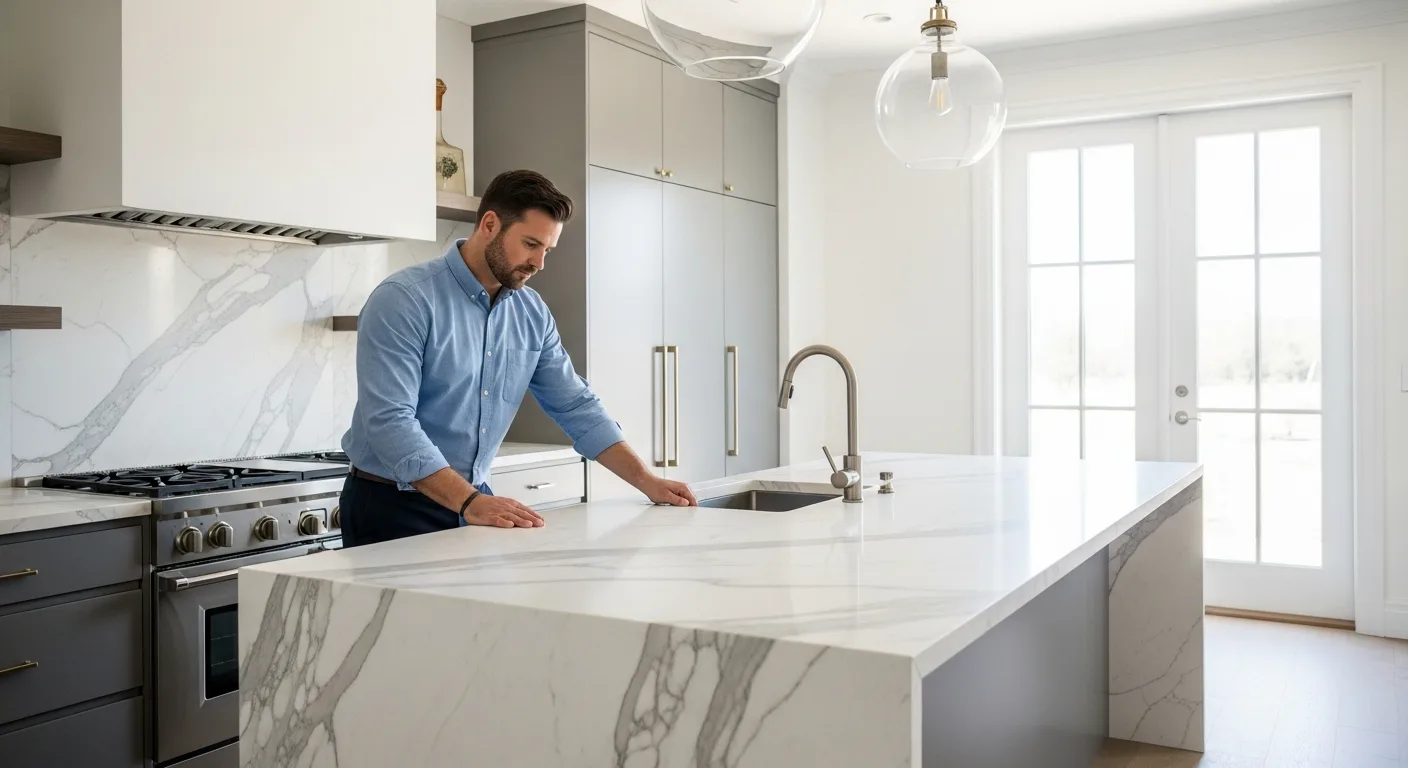
- Aesthetic Refinement: Using premium materials like white oak flooring or custom cabinetry.
When a man begins mapping out these changes, understanding how these specific modifications contribute to increasing home value info ensures he doesn’t over-improve for his specific neighborhood while still achieving a luxury finish.
Building the Right Project Team
A custom renovation is only as good as the men executing it. A homeowner has two primary paths: hiring an independent architect and a separate general contractor, or opting for a design-build firm. The design-build model often streamlines communication, as the same team handles the project from the initial sketches to the final coat of paint.
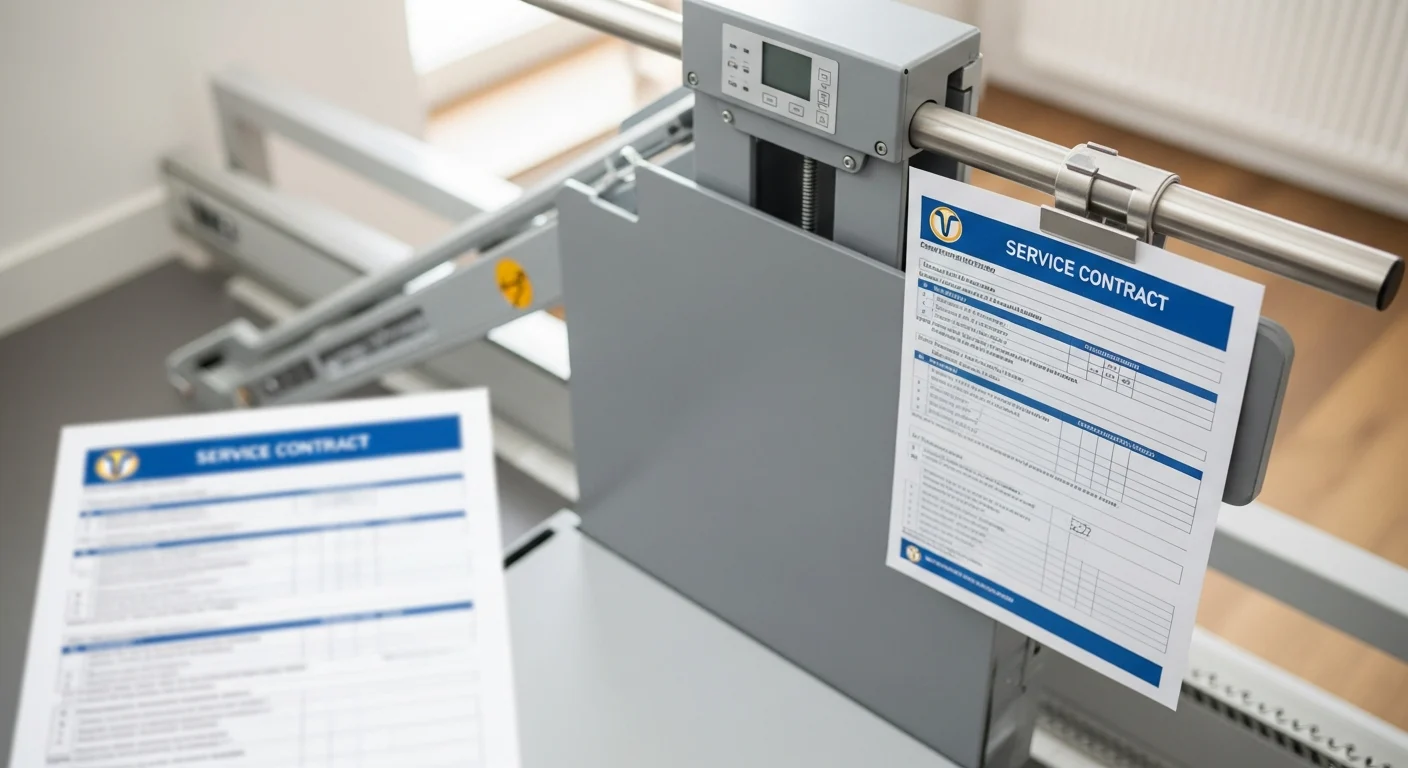
He must vet his contractor with extreme discipline. This means checking references, verifying insurance, and reviewing past portfolios of similar custom work. A professional contractor will provide a detailed contract that outlines the payment schedule, materials to be used, and a realistic completion date.
Budgeting for the Unexpected
In the world of custom construction, the ‘unexpected’ is the only guarantee. Once walls are opened, a man might discover outdated wiring or structural issues that weren’t visible during the initial walkthrough. A smart homeowner allocates a contingency fund of at least 15-20% of the total project cost.
This financial buffer allows him to handle surprises without compromising on the quality of finishes. It also provides the flexibility to make minor upgrades mid-project if he decides a certain premium stone or fixture is worth the extra investment.
Navigating Timelines and Logistics
Time is the most valuable asset in any renovation. Delays in material shipping or permit approvals can stall a project for weeks. To keep the momentum, he needs to consult planning home additions estimators timelines to avoid the common pitfall of underestimating the construction phase.
He should also decide early on if he will remain in the home during construction. While living on-site saves money on temporary housing, the dust, noise, and lack of a functional kitchen can take a toll. If he chooses to stay, he must establish a ‘clean zone’ where he can retreat from the chaos of the job site.
Frequently Asked Questions
How much does a custom home renovation typically cost?
Costs vary wildly based on the region and the quality of materials. A high-end custom renovation can range from $150 to $400 per square foot. The complexity of moving plumbing or load-bearing walls will significantly drive up the price.
Do I need a permit for interior renovations?
Yes, most structural, electrical, and plumbing changes require permits from the local building department. A professional contractor will usually handle the application process, but the homeowner is ultimately responsible for ensuring the work is legal and up to code.
How long does a full-scale renovation take?
A comprehensive custom renovation for a standard-sized home typically takes between 6 to 12 months. This includes the design phase, permitting, and the actual construction. Custom cabinetry and imported materials often have the longest lead times.
Which rooms should I prioritize for the best ROI?
The kitchen and the master bathroom consistently offer the best return on investment. Upgrading these spaces with high-quality finishes and modern layouts adds the most significant value to the property’s appraisal.