The Strategic Advantage of Custom Home Construction
Building a home from the ground up allows a man to dictate every square inch of his environment. Unlike purchasing a pre-existing property where he must compromise on layout or outdated materials, custom home construction offers the freedom to prioritize what matters most to him. Whether he needs a reinforced home office for high-stakes trading or a specialized garage for a car collection, the custom route ensures the structure serves his specific lifestyle.
In 2026, the market has shifted. Modern builders are now integrating advanced modular components with traditional stick-built methods to increase efficiency without sacrificing quality. For those just starting to weigh their options, reviewing a strategic guide to building a custom home can provide the necessary clarity on how to align a personal vision with current architectural trends.
Budgeting for Your Vision
Financial discipline is the backbone of any successful build. A man must look beyond the price per square foot and account for site preparation, permit fees, and high-end finishes that often carry hidden costs. Inflation and supply chain fluctuations in 2026 mean that a 15% contingency fund is no longer a suggestion—it is a requirement.
Before breaking ground, it is vital to have a firm grasp of the local market. Understanding the financial requirements for new builds helps a homeowner set realistic expectations with his architect. He should focus on investing in the “bones” of the house—structural integrity and energy-efficient systems—rather than just the aesthetic upgrades that can be added later.
Selecting the Right Site and Team
The land dictates the design. A man must evaluate the topography, soil quality, and sun orientation of a lot before committing. A steep slope might offer a better view, but it will significantly increase foundation costs. He needs a team that includes a reputable architect and a general contractor who communicates transparently.
- Architect: Translates the vision into a functional blueprint.
- General Contractor: Manages the day-to-day operations and subcontractors.
- Structural Engineer: Ensures the home can withstand local environmental stressors.
He should vet his builder by visiting active job sites. This allows him to see firsthand how the crew maintains the site and the quality of the framing before it is covered by drywall.
Integrating Modern Technology and Sustainability
In 2026, a custom home is incomplete without a robust technological infrastructure. This goes beyond smart light bulbs; it involves integrated home automation that manages HVAC, security, and energy consumption through a centralized hub. A man should plan for “future-proofing” by installing conduits that allow for easy wiring upgrades as technology evolves.
Sustainability is also a matter of long-term cost-saving. High-performance insulation, solar arrays, and greywater recycling systems are now standard in premium custom builds. These features reduce the home’s carbon footprint while ensuring he isn’t at the mercy of rising utility costs in the future.
The Construction Process: From Foundation to Finish
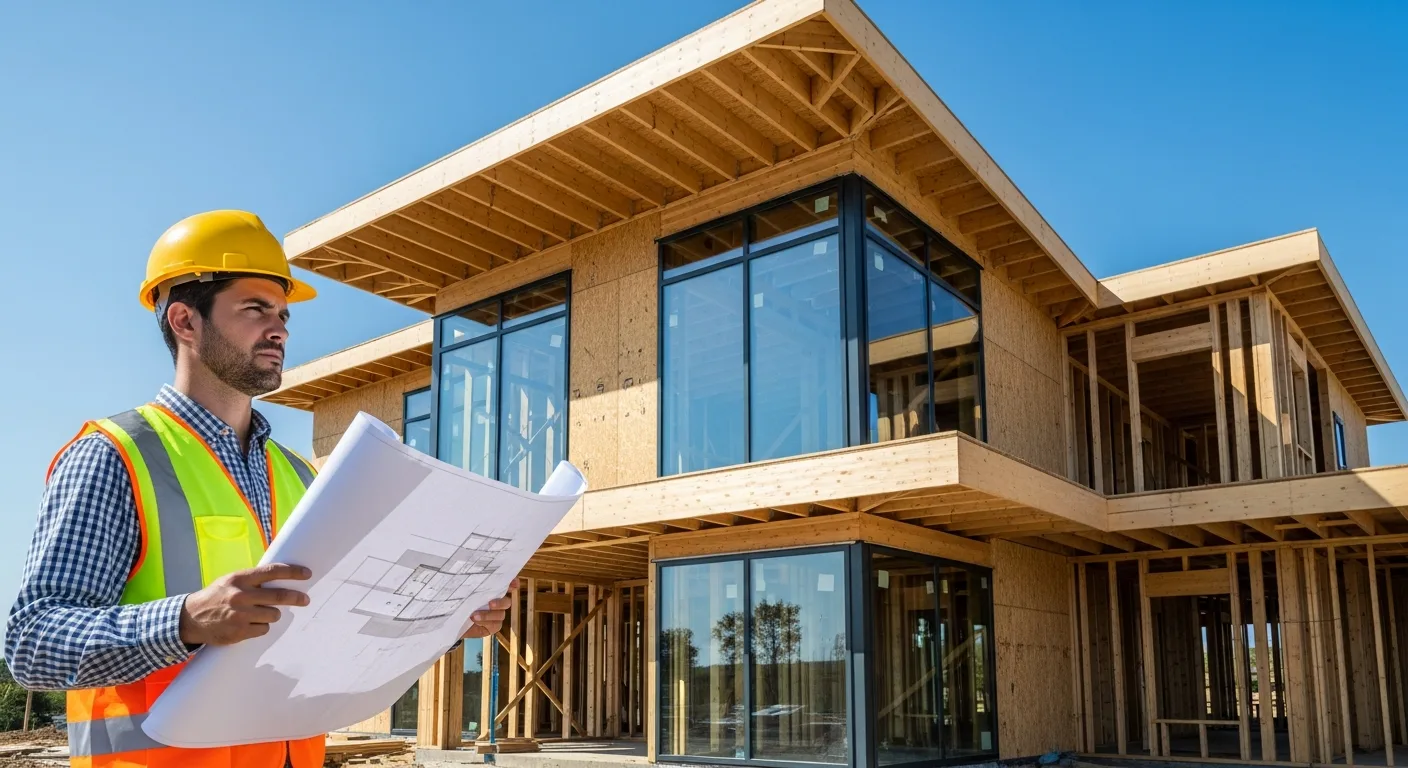
Once the permits are secured, the physical work begins. The process typically follows a strict sequence: site clearing, foundation pouring, framing, and then the “rough-in” phase where plumbing and electrical lines are installed. He should be present for the pre-drywall walk-through. This is his last chance to move a light switch or add an extra outlet before the walls are sealed.
The final stages involve interior finishes—flooring, cabinetry, and paint. While these are the most exciting parts for many, he must maintain his focus on the quality of the installation. A master craftsman’s touch on the trim work can be the difference between a house that feels “built” and one that feels “crafted.”
Frequently Asked Questions
How long does the custom home construction process take?
Typically, a custom home takes between 12 to 24 months from the initial design phase to the final move-in. Factors like weather, permit delays, and the complexity of the design can extend this timeline.
Is custom construction more expensive than buying a spec home?
Generally, yes. Custom homes involve unique architectural plans and specialized labor. However, the long-term value is often higher because the home is built to modern standards and requires fewer immediate repairs.
What is the most important part of the custom build?
The planning phase is paramount. Any change made on paper costs a few hundred dollars, while a change made after the foundation is poured can cost tens of thousands.