The Shift Toward Bespoke Living
Most men have experienced the frustration of buying a mass-produced bookshelf or desk only to find it feels flimsy or doesn’t quite fit the corner of the room. In 2026, the trend has moved away from disposable, flat-pack items toward custom furniture design. This isn’t just about aesthetics; it is about a man reclaiming his space and ensuring every square inch of his home serves a specific purpose. When a homeowner invests in a bespoke piece, he is choosing longevity over convenience and craftsmanship over a barcode.
The Engineering of Quality: Materials and Joinery
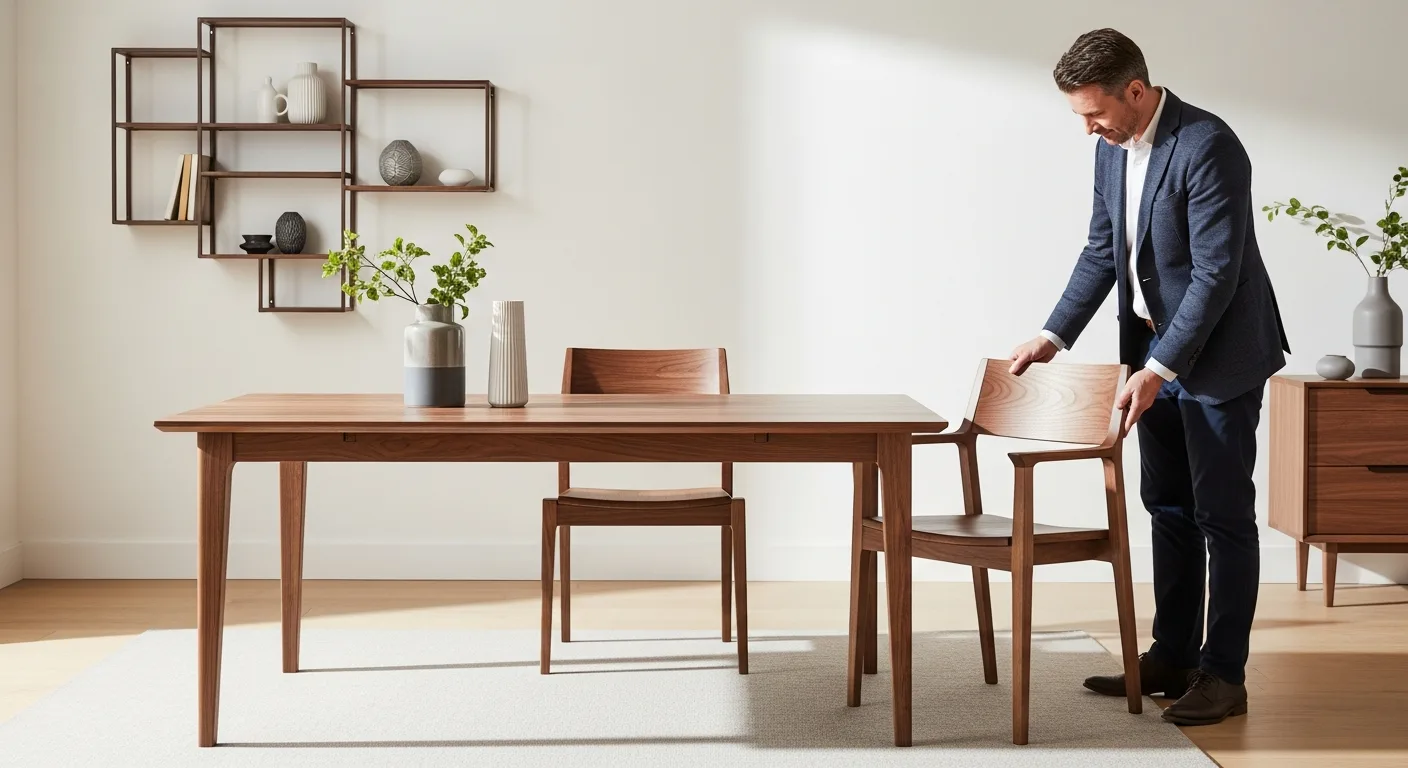
The foundation of any great piece of furniture lies in the raw materials. Unlike the particle board found in big-box stores, custom designs typically utilize solid hardwoods like walnut, white oak, or cherry. A skilled craftsman understands how wood expands and contracts with the seasons, and he selects his timber accordingly. If he is building for a patio or deck, he will focus on selecting the right timber for exterior pieces to ensure the sun and rain don’t warp his investment.
Beyond the wood itself, the joinery defines the lifespan of the piece. Look for traditional techniques such as:
- Dovetail Joints: Ideal for drawers, providing incredible tensile strength.
- Mortise and Tenon: The gold standard for connecting table legs to frames.
- Floating Tenons: A modern approach that offers precision and durability.
Understanding how to identify high-quality furniture construction allows a man to vet his builder properly before the first cut is even made.
The Design Process: From Sketch to Installation
Engaging in custom furniture design is a collaborative journey. It begins with a specific problem—perhaps a sloped ceiling in a home office or a need for a dining table that can seat twelve but fits in a narrow room. The designer will typically provide a 3D rendering or a detailed CAD drawing. This allows the homeowner to visualize the proportions within his specific environment.
During this phase, he can specify integrated technology, such as hidden wireless charging pads or cable management systems that keep his workspace clean. This level of detail is impossible to find in pre-made options. Once the design is finalized, the fabrication begins, often taking anywhere from six to twelve weeks depending on the complexity of the build.
Maximizing Utility in Challenging Layouts
Custom furniture is the ultimate solution for non-traditional floor plans. Whether a man is living in a converted loft or a modern minimalist home, standard furniture often leaves awkward gaps. Bespoke built-ins can turn a useless alcove into a sophisticated bar or a floor-to-ceiling library. By tailoring the dimensions to the architecture, he maximizes his usable square footage without cluttering the floor. For those working with unique spaces, selecting the right timber for exterior pieces or interior accents ensures the furniture complements the structural integrity of the home.
The Long-Term Financial Logic
While the upfront cost of custom furniture design is higher, the cost-per-year is significantly lower. A well-made walnut desk can last a lifetime and even become an heirloom for his sons. Mass-market furniture, conversely, often requires replacement every five to seven years. Furthermore, unique, high-quality built-ins can actually increase the appraisal value of a home, as they are viewed as permanent architectural upgrades rather than mere decor.
Frequently Asked Questions
Is custom furniture significantly more expensive than high-end retail?
Often, the price is comparable to luxury retail brands, but the quality is superior. With custom work, you aren’t paying for a brand’s marketing budget or showroom rent; you are paying for the craftsman’s time and premium materials.
How do I start the custom design process?
Start by measuring your space and identifying your primary needs. Contact a local furniture maker with a portfolio that matches your style. He will usually offer an initial consultation to discuss your vision and budget.
What are the best woods for indoor custom furniture?
Walnut is highly prized for its dark, rich tones and stability. White oak is incredibly popular in 2026 for its durability and neutral grain, making it perfect for modern and minimalist interiors.