The Reality of Mobile Home Relocation Costs
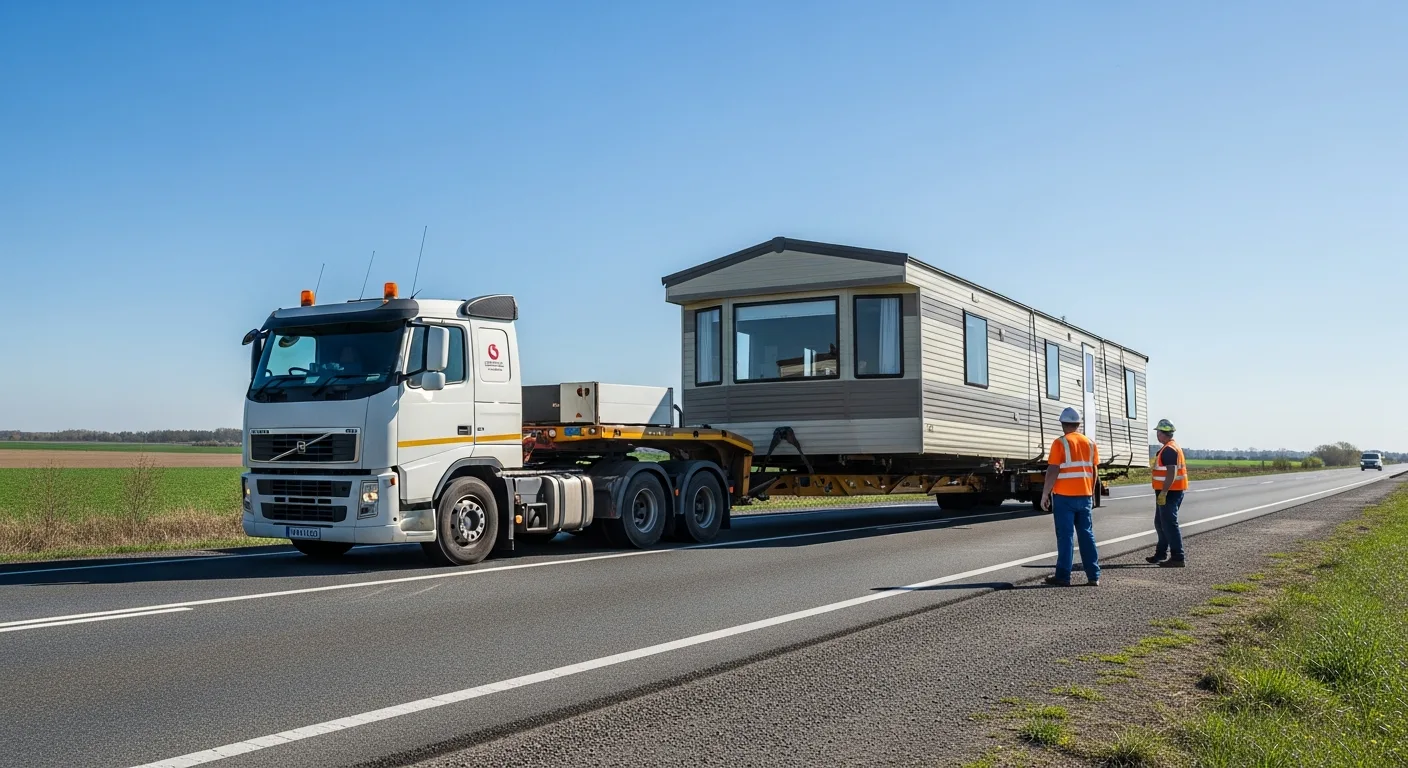
Moving a manufactured home is a massive undertaking that requires more than just a heavy-duty truck. In 2026, the price tag depends heavily on whether a homeowner is opting for a “tow-only” service or a comprehensive “full-service” move. For a short-distance move (under 50 miles), he can expect to pay anywhere from $1,500 to $5,000 for a single-wide unit. However, if he is moving a double-wide across state lines, those figures can easily climb above $15,000.
The logistics involve specialized equipment, certified drivers, and often a fleet of pilot cars. He must realize that the “move” itself is only one part of the financial equation. The labor required to disconnect utilities, remove skirting, and then reverse the entire process at the destination often costs as much as the actual transport.
Transport-Only vs. Full-Service Moves
When a homeowner requests quotes, he will likely see two distinct categories of service. Understanding the difference is vital for his budget planning.
- Transport-Only: This is the bare-bones option. The moving company simply hitches the home (which must already be prepared) and drives it to the new location. He is responsible for all the prep work and the final setup.
- Full-Service: This is the “turnkey” solution. The movers handle the disconnection of plumbing and electricity, removal of exterior attachments, transport, and the re-installation. While more expensive, it minimizes the risk of structural damage caused by inexperienced labor.
Key Factors That Drive the Price Up
Several variables dictate the final invoice. Distance is the most obvious, but the physical condition and size of the home are equally impactful. A double-wide home essentially doubles the cost because it requires two separate trucks, two sets of permits, and two crews for the re-attachment process.
Before the truck even arrives, he must ensure he has accounted for preparing the new site’s foundation to meet local building codes. If the new lot isn’t graded correctly or the footings aren’t ready, the moving crew may charge standby fees, which can run hundreds of dollars per hour.
Permits and Legal Fees: Every state and many counties require oversized load permits. If the home is particularly wide, he may be forced to pay for police escorts or pilot vehicles to lead and follow the transport truck. These fees are non-negotiable and vary wildly by jurisdiction.
Hidden Expenses Often Overlooked
He should never assume the base quote covers everything. There are several “hidden” costs that frequently surprise homeowners during the relocation process:
- Tires and Axles: If the home has been sitting for years, the original tires and axles are likely dry-rotted or seized. He will need to pay for replacements or rentals to make the home roadworthy.
- Skirting and Decks: Most movers will not move existing skirting or wooden decks unless specifically paid to do so. Often, it is cheaper for him to buy new skirting than to pay for the labor to dismantle and move the old material.
- Utility Hookups: Reconnecting the HVAC, plumbing, and electrical systems at the new site requires licensed professionals. This is rarely included in a standard moving contract.
Site Preparation and Final Installation
Once the home reaches its destination, the final phase involves proper installation and setup, which includes securing the home against wind loads and ensuring it is perfectly level. If the home is not leveled correctly during this phase, he will experience sticking doors, cracked drywall, and potential structural failure within months.
In 2026, many municipalities have updated their anchoring requirements. He should check if his new location requires specific tie-downs or earthquake-resistant bracing, as these specialized components will add to his total expenditure.
Frequently Asked Questions
Can I move a mobile home myself if I have a heavy truck?
No. Moving a manufactured home requires a specialized Class A CDL and specific permits for oversized loads. Furthermore, insurance companies will not cover a move unless it is performed by a licensed and bonded professional transporter.
How much does it cost to move a double-wide vs. a single-wide?
A single-wide move typically costs between $3,000 and $8,000 for a full-service relocation. A double-wide usually starts at $10,000 and can exceed $20,000 depending on the distance and the complexity of joining the two sections back together.
Does the age of the home affect the moving cost?
Yes. Older homes may require structural reinforcement before they are safe to transport. If the home is too old (pre-1976 HUD code), some movers may refuse the job entirely due to the high risk of the chassis buckling during transit.
Will my current insurance cover the move?
Standard homeowners insurance rarely covers a home while it is in transit. He will need to purchase a “trip endorsement” or ensure that the moving company provides comprehensive inland marine insurance to cover any damage that occurs on the road.