The Evolution of Modern DIY Flooring
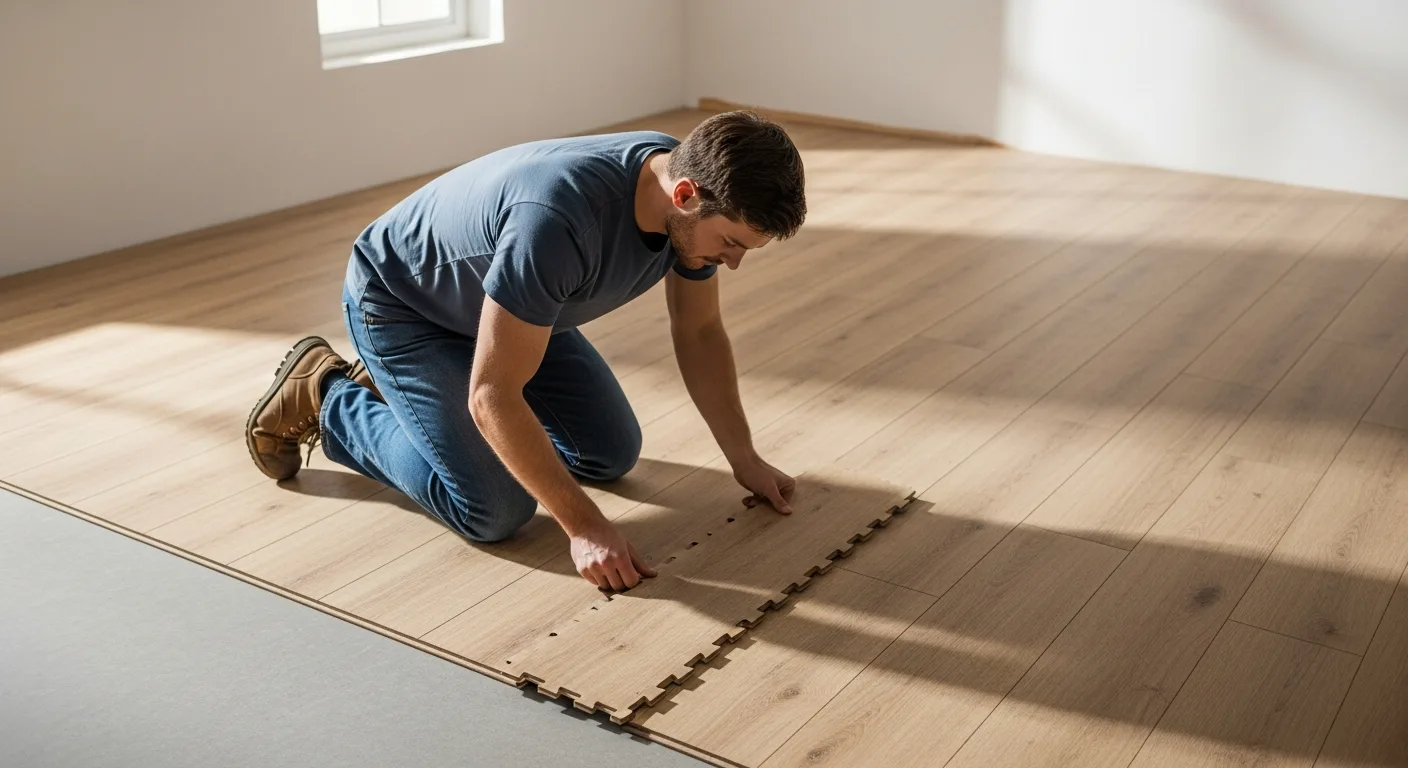
Forget the days of messy adhesives and expensive contractors. Click lock vinyl flooring has changed the game for the weekend warrior. He can now transform a room in a single afternoon with nothing more than a few basic tools and a bit of patience. This flooring type uses a tongue-and-groove system that allows planks to snap together securely, creating a floating floor that doesn’t need to be nailed or glued to the subfloor.
The appeal lies in its simplicity. A homeowner doesn’t need a degree in carpentry to achieve a professional finish. Because the planks lock into place, they create a tight seal that prevents moisture from seeping through, making it an ideal choice for kitchens, bathrooms, and basements. Before he starts laying planks, he should consult a comprehensive click-lock flooring guide to understand the specific locking mechanism of his chosen brand, as some require a different angle for insertion.
Why Click Lock Vinyl Outperforms Traditional Options
When a man evaluates his flooring options, he looks for a balance between aesthetics and resilience. Click lock vinyl, specifically Luxury Vinyl Plank (LVP), offers a realistic wood or stone look without the high maintenance of natural materials. Unlike hardwood, it won’t warp when exposed to humidity, and unlike laminate, it is often 100% waterproof.
- Water Resistance: Most modern click lock options feature a Stone Plastic Composite (SPC) or Wood Plastic Composite (WPC) core, ensuring the floor remains stable even in damp environments.
- Scratch Protection: A heavy-duty wear layer protects the design from pet claws, heavy furniture, and high foot traffic.
- Acoustic Benefits: Many planks come with a pre-attached underlayment that dampens sound, preventing that hollow “clicking” noise often associated with older laminates.
When comparing different products, he will notice that top-rated LVP options often feature a thicker wear layer, typically measured in mils, which directly correlates to the floor’s lifespan in a busy household.
Essential Tools for a Flawless Installation
He doesn’t need a garage full of power tools to get the job done. However, having the right gear on hand prevents frustration and ensures the joints stay tight. He should gather a rubber mallet, a tapping block, a pull bar, and a utility knife. Most vinyl planks can be scored with a knife and snapped, though a miter saw can speed up the process for complex cuts around door frames.
Spacers are another vital component. He must maintain a consistent expansion gap around the perimeter of the room. Since the floor is floating, it will expand and contract slightly with temperature changes. If he skips this step, he risks the floor buckling or peaking at the seams during the summer months.
Preparing the Subfloor for Success
The secret to a floor that feels solid underfoot is the preparation. He must ensure the subfloor is clean, dry, and, most importantly, level. Any high spots should be sanded down, and low spots filled with a self-leveling compound. If he installs click lock vinyl over an uneven surface, the locking mechanisms will be under constant stress, eventually leading to joint failure.
He should also check for moisture if installing over concrete. A simple moisture barrier or a 6-mil poly film can prevent vapor from affecting the planks over time. Once the subfloor is prepped, he should let the flooring acclimate in the room for at least 48 hours to adjust to the local temperature and humidity levels.
Maintenance Tips for Long-Term Durability
Keeping click lock vinyl looking new is straightforward. He should avoid using steam mops, as the intense heat can weaken the adhesive bonds within the plank layers or damage the locking joints. Instead, a simple microfiber mop and a pH-neutral cleaner are all he needs.
For heavy furniture, he should use felt pads to prevent indentations. While the wear layer is tough, dragging a heavy refrigerator across the floor can still cause deep gouges. If a plank does get damaged, the beauty of the click lock system is that he can unclick the floor starting from the nearest wall to replace the individual damaged piece without tearing up the entire room.
Frequently Asked Questions
Can I install click lock vinyl over existing tile?
Yes, as long as the tile is level and the grout lines aren’t excessively deep. If the grout lines are wide, he should fill them with a patch compound to prevent the vinyl from “telegraphing” the pattern of the tile underneath.
Do I need an underlayment for click lock vinyl?
It depends on the product. Many premium planks come with an integrated cork or foam backing. If the planks do not have this, he should install a separate underlayment to improve comfort and sound insulation.
How long does click lock vinyl flooring last?
With proper care and a high-quality wear layer, a man can expect his flooring to last between 15 and 25 years. Residential warranties often cover this period, provided the installation instructions were followed correctly.
Is click lock vinyl flooring better than laminate?
For areas prone to moisture, yes. Vinyl is superior in bathrooms and kitchens because it is waterproof, whereas laminate is made of wood byproducts that can swell and ruin the floor if they get wet.