The Strategic Advantage of Custom Home Building
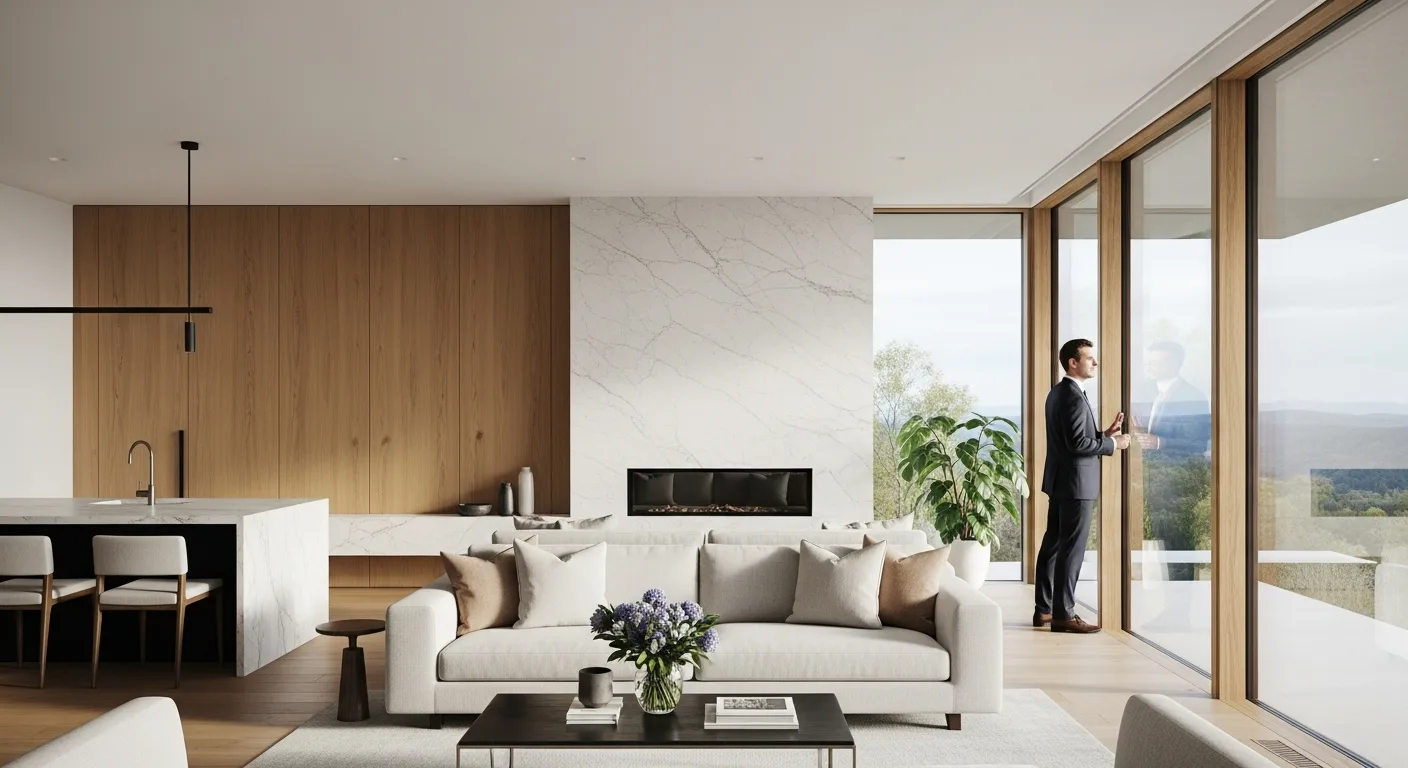
Building a home from the ground up is the ultimate way for a man to ensure his living environment aligns perfectly with his lifestyle. Unlike buying a pre-existing property where he must compromise on layout or deal with outdated systems, custom home building offers total control. He can prioritize a high-performance home office, a specialized workshop, or a garage designed for more than just parking.
When a homeowner takes charge of the process, he isn’t just buying a house; he is investing in an asset tailored for maximum efficiency. For a deeper look at the logistics involved, he should consult a comprehensive home construction roadmap to understand the milestones from site preparation to the final walkthrough.
Budgeting and Financial Planning for 2026
Financial discipline is the backbone of any successful build. In 2026, material costs and labor markets require a proactive approach. A man must account for more than just the price per square foot. He needs to factor in land clearing, utility hookups, and permit fees that often catch the unprepared by surprise.
- Land Acquisition: Ensure the plot is buildable and zoned for his specific vision.
- Contingency Fund: Always set aside at least 15% for unforeseen structural or site issues.
- Financing: Secure a construction-to-permanent loan to streamline the transition once the build is complete.
Prioritizing Structural Integrity and Modern Systems
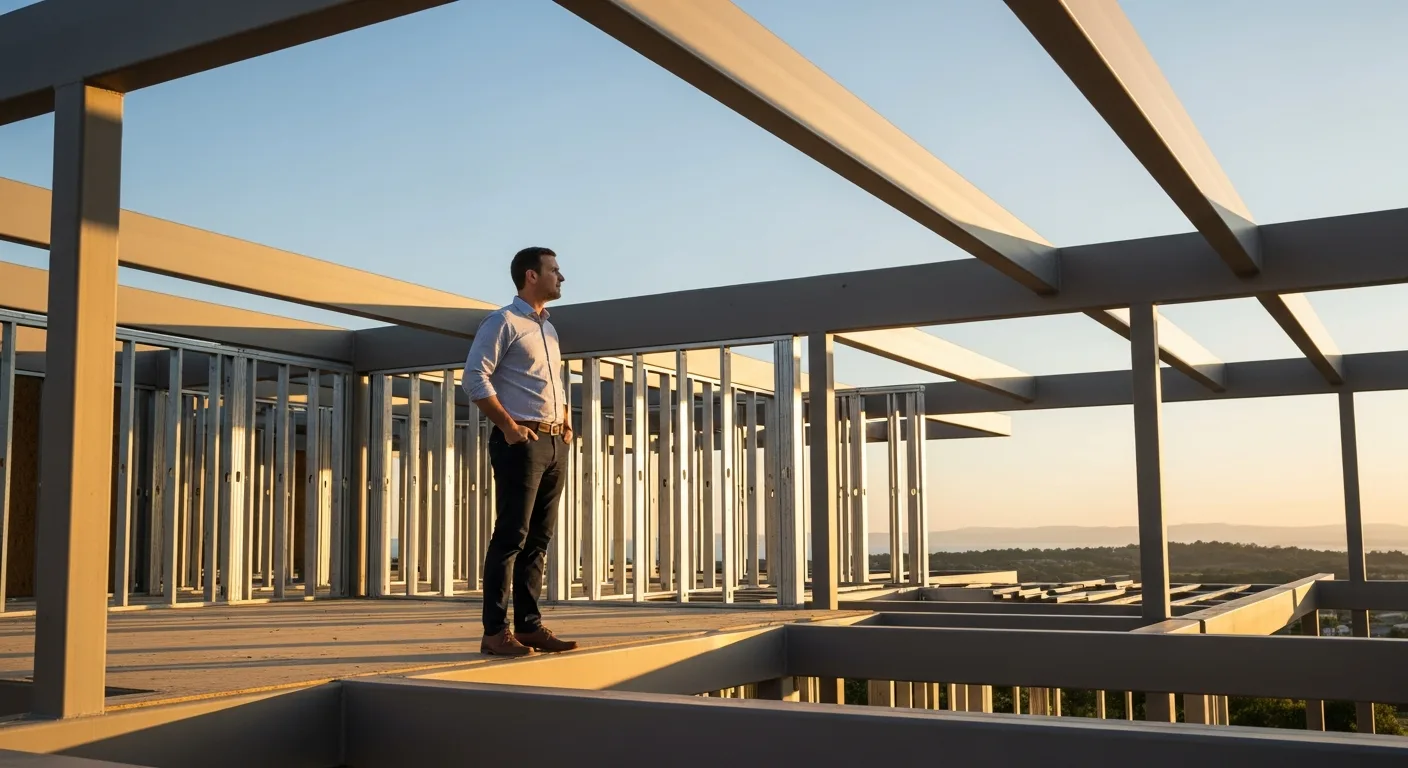
A custom build allows a man to look beneath the drywall and ensure the skeleton of the house is built to last. He can choose superior insulation, advanced HVAC systems, and reinforced framing. Focusing on a solid foundation and framing ensures the home remains a legacy asset rather than a maintenance liability.
In 2026, “smart” isn’t just a buzzword; it’s a requirement. Integrating high-speed networking, automated climate control, and security systems during the framing stage is significantly cheaper and more effective than retrofitting them later. He can design a home that works for him, rather than him working to maintain the home.
The Build Team: Choosing Your Allies
The success of the project hinges on the men he hires. He needs an architect who understands his aesthetic and a general contractor who respects the budget. Communication is paramount. A man should vet his builder’s previous projects, checking for precision in finishing and adherence to timelines.
Regular site visits are essential. While he doesn’t need to swing the hammer himself, he must be present to make critical decisions on the fly. This hands-on oversight ensures that the final product reflects his original intent without costly mid-project pivots. A well-managed team transforms a complex blueprint into a high-value reality.
Frequently Asked Questions
How long does the custom home building process typically take?
On average, a custom home takes between 12 to 24 months. This includes the design phase, permitting, and actual construction. Factors like weather and local labor availability in 2026 can influence this timeline.
Is building a custom home more expensive than buying an existing one?
Generally, yes. The premium covers the ability to choose every detail and the fact that everything is brand new. However, he saves on immediate renovations and benefits from modern energy efficiency, which lowers long-term ownership costs.
What is the most important part of the building process?
The planning phase. Decisions made on paper are inexpensive; decisions made once the concrete is poured are costly. A man must finalize his floor plan and material selections before the first shovel hits the dirt.