The Science of Silver Tarnish
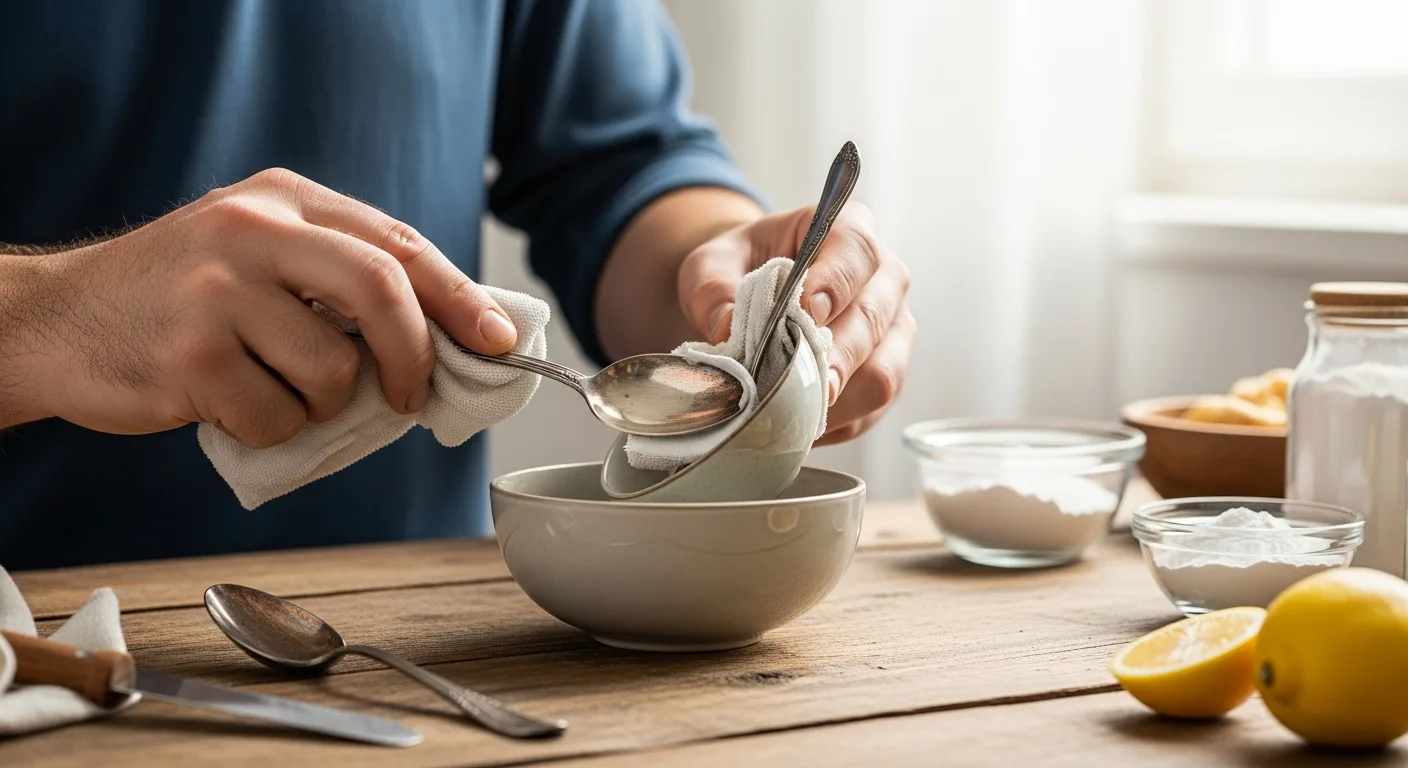
Silver tarnish is a chemical reality, not a sign of neglect. When a man pulls out a favorite watch or a set of family silverware only to find it dull and blackened, he doesn’t need to rush to a professional jeweler. Most tarnish is simply silver sulfide, a result of silver reacting with sulfur compounds in the air. This layer can be reversed using basic chemistry found in any kitchen pantry.
While many men focus on home jewelry cleaning for gold and silver, the same principles apply to larger decorative pieces and utensils. Understanding the right method for the specific type of silver—whether it is sterling or plated—is the first step to restoring its original luster.
The Aluminum Foil and Baking Soda Method
This is the most effective way to clean multiple items at once without intense scrubbing. It relies on an electrochemical reaction that transfers the sulfur from the silver to the aluminum foil.
- Line a glass dish: He should cover the bottom of a heat-resistant container with aluminum foil, shiny side up.
- Add the catalyst: Pour in one tablespoon of baking soda and one tablespoon of sea salt.
- Boiling water: Fill the dish with enough boiling water to fully submerge the silver items.
- The Soak: Place the silver in the dish, ensuring it makes direct contact with the foil. He will notice a slight sulfur smell (like rotten eggs) as the tarnish migrates to the foil.
The benefits of baking soda extend far beyond the laundry room; its mildly abrasive and alkaline nature makes it the ultimate tarnish fighter when paired with an electrolyte like salt.
Using Toothpaste for Precision Cleaning
For smaller items like rings or intricate engravings, toothpaste serves as a convenient polishing agent. However, he must choose the right type. He should avoid gel-based toothpastes or those with extra whitening beads, as these can be too abrasive and scratch the soft metal.
He can apply a small amount of plain white toothpaste to a soft-bristled toothbrush. By rubbing gently in circular motions, he can lift the tarnish from hard-to-reach crevices. Once the tarnish is gone, he should rinse the item thoroughly under warm water and dry it immediately with a microfiber cloth to prevent water spots.
The Lemon and Salt Solution for Heavy Tarnish
If the silver has been sitting in a drawer for years and has developed a thick, stubborn layer of oxidation, a more acidic approach may be necessary. Lemon juice acts as a natural solvent for the tarnish.
He should mix one tablespoon of lemon juice with one and a half cups of water and half a cup of instant dry milk. Submerging the silver in this mixture overnight allows the citric acid to break down the sulfide layer. In the morning, the silver will require a quick rinse and a buff with a soft cloth to reveal its shine.
Gentle Polishing with Cornstarch
For silver-plated items that are more delicate, he should avoid harsh chemicals that might strip the thin layer of silver away. A cornstarch paste is the safest route. By mixing three parts cornstarch with one part water, he creates a thick paste that can be applied with a damp cloth.
He should let the paste dry completely on the silver. As it dries, it absorbs the surface impurities. Once dry, he can wipe it away with a rougher towel or a specialized polishing cloth. This method is particularly useful for maintaining the structural integrity of antique pieces.
How to Prevent Future Tarnish
Cleaning silver is only half the battle; keeping it clean requires a proactive strategy. He should store his silver in a cool, dry place. Humidity accelerates the tarnishing process, so placing a piece of chalk or a silica gel packet in the storage chest can help absorb excess moisture.
Furthermore, he should avoid wearing silver jewelry in swimming pools or hot tubs, as the chlorine will cause immediate and severe discoloration. Regular use is actually one of the best ways to keep silver bright, as the natural friction of handling or wearing the metal prevents tarnish from building up in the first place.
Frequently Asked Questions
Can I use vinegar to clean my silver?
Yes, a mixture of half a cup of white vinegar and two tablespoons of baking soda is highly effective. He should let the silver soak in the solution for two to three hours before rinsing and drying.
Is it safe to put silver in the dishwasher?
No, he should never put silver in the dishwasher. The high heat and harsh detergents can cause permanent damage and pitting, especially if the silver comes into contact with stainless steel during the cycle.
What is the best cloth for buffing silver?
A microfiber cloth or a specialized jeweler’s polishing cloth is best. He should avoid paper towels or tissues, as the wood fibers in them can create microscopic scratches on the surface of the silver.