The Rugged Appeal of Concrete Gardening
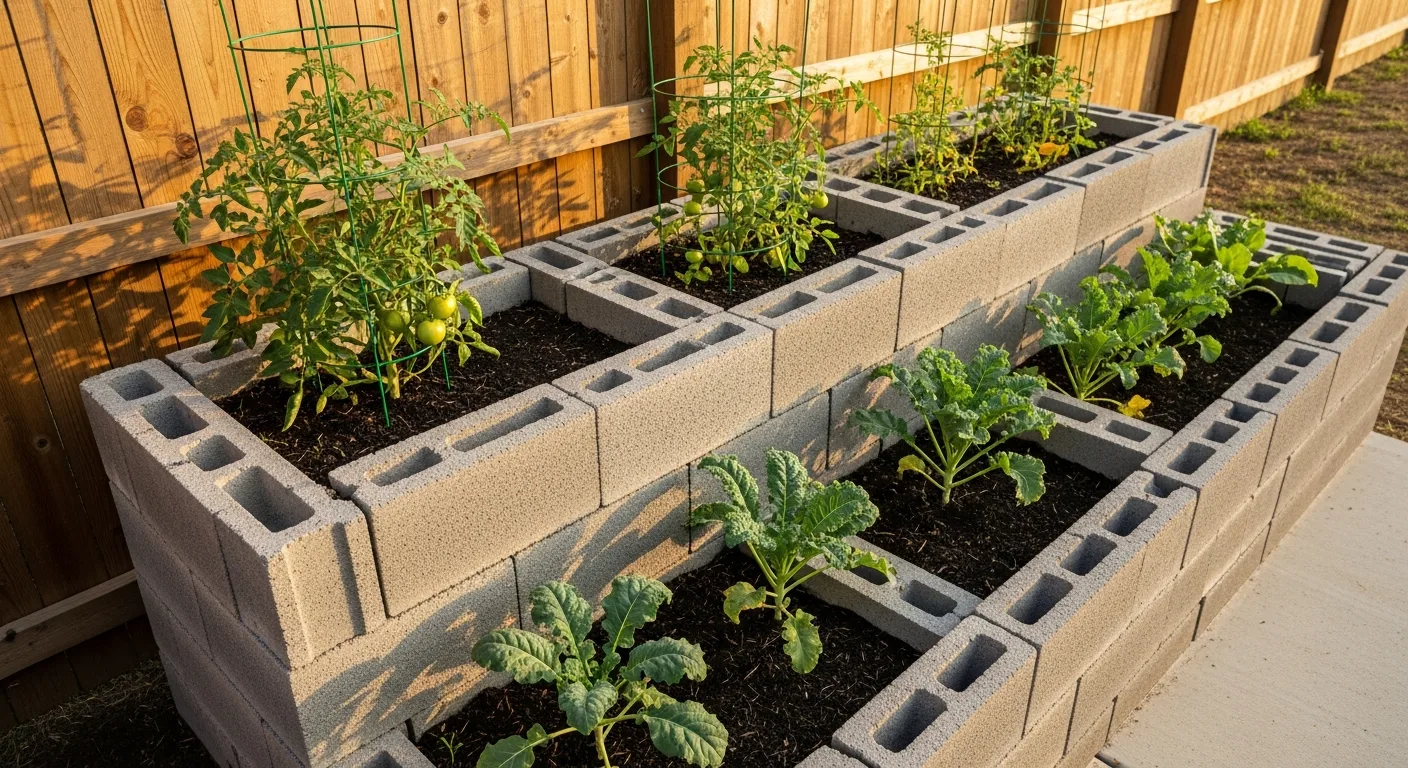
Forget expensive cedar kits that rot within three seasons or flimsy plastic borders that crack under the summer sun. When a man wants to build something that lasts, he looks toward concrete. A cinder block garden offers a level of structural permanence and modular flexibility that traditional wood-raised beds simply cannot match. It is the ultimate weekend project for someone who values utility and longevity over high-maintenance aesthetics.
Beyond their sheer strength, these blocks are incredibly affordable. He can often find them for a couple of dollars at a local hardware store, or even for free on community marketplaces. Because they are heavy and stackable, they require no power tools, no specialized fasteners, and no advanced carpentry skills to assemble.
Planning the Foundation and Layout
Before he starts hauling heavy blocks across the yard, he must prioritize the layout. A cinder block garden is heavy; once it is filled with soil, moving it becomes a Herculean task. He should select a spot that receives at least six to eight hours of direct sunlight and ensure the ground is relatively level.
- Leveling: He should use a shovel to scrape away grass and a long level to ensure the first course of blocks sits flat. A stable base prevents the wall from leaning or shifting over time.
- Drainage: Concrete is porous, but the soil inside still needs a way to shed excess water. If he is building on a hard surface, he might need to drill drainage holes or elevate the blocks slightly.
- Dimensions: Keeping the bed no wider than four feet allows him to reach the center from either side without stepping on and compacting the soil.
Selecting the Right Soil and Fill
The success of the harvest depends entirely on what goes inside the blocks. He shouldn’t just shovel dirt from his backyard into the bed; that soil is often too dense and lacks the nutrients required for a thriving ecosystem. Instead, he should opt for a high-quality mix of compost, peat moss, and perlite.
Choosing the best soil for vegetable garden success ensures that his plants have the aeration and drainage they need to develop deep root systems. He can also fill the bottom third of deep beds with organic debris like logs or branches—a method known as hugelkultur—to save on soil costs while providing long-term fertilization as the wood breaks down.
Maximizing the “Holes” for Extra Yield
One of the smartest features of a cinder block garden is the vertical voids within the blocks themselves. These aren’t just for structural integrity; they are individual planting pockets. He can fill these holes with soil and grow smaller plants that might otherwise get crowded out in the main bed.
Herbs like thyme, oregano, and rosemary thrive in these pockets because the concrete absorbs heat during the day and keeps the roots warm at night. Strawberries are another excellent choice, as the fruit can hang over the edge of the block, keeping it off the dirt and away from certain ground-dwelling pests. To keep the rest of his crop safe from aerial intruders, he might consider installing bird netting for garden protection, which can be easily anchored into the block openings using simple PVC pipes.
Addressing Safety and Leaching Concerns
A common question he might encounter is whether modern cinder blocks are safe for growing food. In the past, “cinder” blocks were made with fly ash, which contained heavy metals. Today, most blocks sold at major retailers are actually concrete blocks made from Portland cement, sand, and gravel. These are generally considered safe for gardening.
If he remains concerned about lime leaching into the soil and raising the pH level, he can line the interior of the blocks with a heavy-duty pond liner or landscape fabric. This creates a barrier between the concrete and the soil while still allowing the structure to provide the necessary support.
Maintenance and Long-Term Care
Once the structure is built, maintenance is minimal. Unlike wood, concrete won’t warp or require staining. However, he should keep an eye on the joints. Over several years, freeze-thaw cycles might cause slight shifting. If a block moves out of alignment, he can simply remove the surrounding soil, reset the block, and tamp it back into place.
In colder climates, the thermal mass of the concrete can actually extend his growing season. The blocks hold onto the sun’s heat, warming the soil earlier in the spring and keeping it frost-free later into the autumn. This gives him a distinct advantage for growing cool-weather crops like kale, spinach, and garlic.
Frequently Asked Questions
Do cinder blocks make the soil too hot?
In extremely hot climates, the concrete can absorb significant heat, which may dry out the soil faster than a wooden bed. He can mitigate this by painting the exterior of the blocks white to reflect sunlight or by ensuring he waters more frequently during peak summer months.
How many blocks do I need for a standard bed?
For a basic 4×8 foot raised bed that is one block high (8 inches), he will need approximately 18 standard 8x8x16-inch blocks. If he wants a deeper bed for root vegetables, he should double that number to stack them two rows high.
Can I stack cinder blocks without mortar?
Yes, for gardens up to two blocks high, gravity and the weight of the soil are usually enough to keep them stable. If he plans on building a waist-high garden, he should use a construction adhesive or mortar to ensure the wall doesn’t topple under the lateral pressure of the wet soil.