The Timeless Appeal of Cherry Wood Flooring
Cherry wood flooring has long been a hallmark of sophisticated interior design. Unlike many trendy materials that fade out of style within a decade, cherry offers a warm, rich aesthetic that actually improves with age. For a homeowner looking to invest in a floor that feels both traditional and high-end, cherry remains a top-tier contender. Its smooth grain and natural luster create a sense of depth that few other hardwoods can replicate.
One of the most fascinating aspects of this wood is its photosensitivity. When a man first installs cherry planks, they often appear as a light, creamy pink or golden-brown. However, as the wood is exposed to natural light, it undergoes a dramatic oxidation process, deepening into the signature reddish-brown hue that enthusiasts crave. This natural evolution makes the floor feel like a living part of the home.
American Cherry vs. Brazilian Cherry: Understanding the Difference
It is vital to distinguish between American Black Cherry (Prunus serotina) and Brazilian Cherry (Jatoba). While they share a name, they are entirely different species with distinct characteristics. American Cherry is a domestic hardwood known for its elegant, fine grain and moderate hardness. It is easier to work with and sand, making it a favorite for craftsmen who appreciate a refined finish.
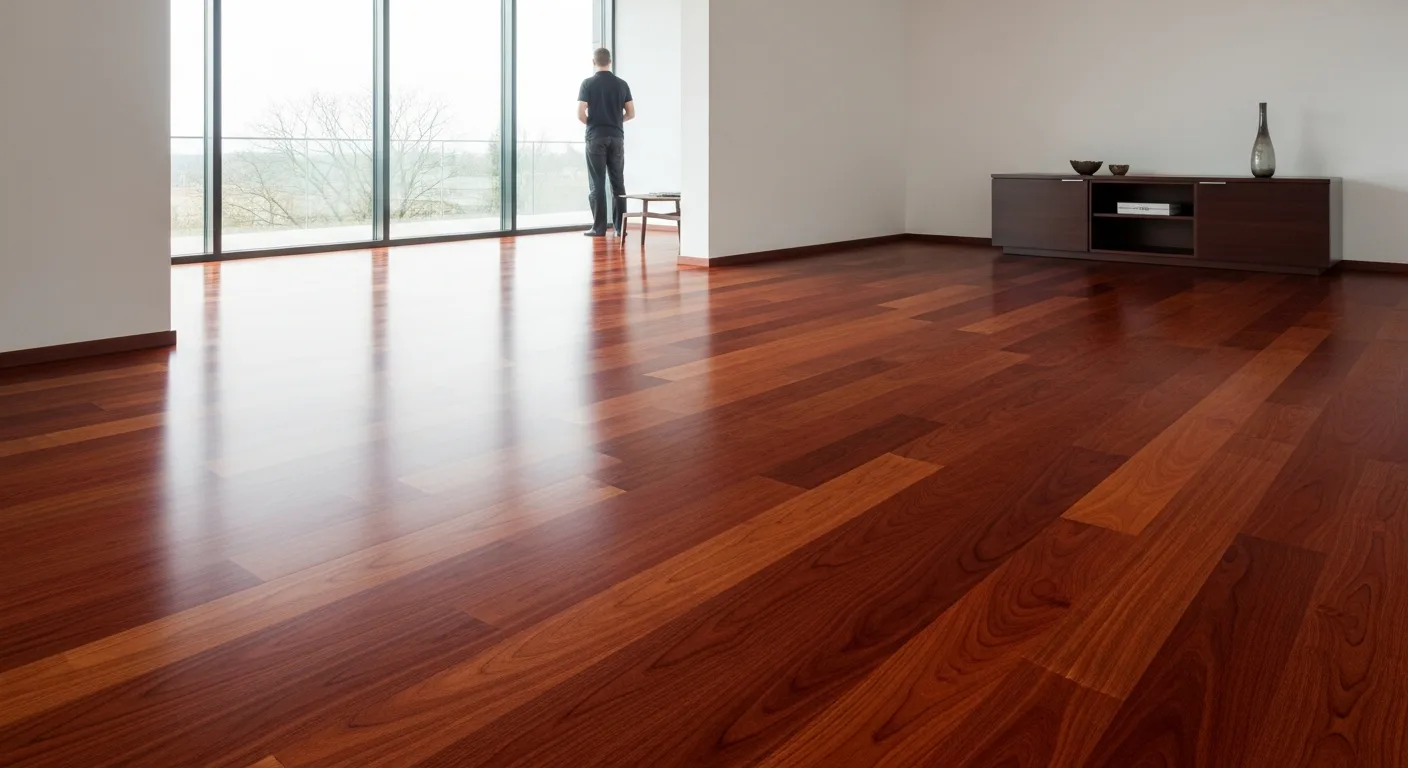
On the other hand, if a homeowner requires extreme durability for high-traffic areas, he might opt for Brazilian cherry hardwood flooring. This exotic wood is significantly harder on the Janka scale, offering superior resistance to dents and scratches. However, it lacks the subtle, flowing grain patterns found in the American variety. Choosing between them depends on whether he prioritizes the soft elegance of domestic cherry or the rugged strength of the exotic alternative.
Durability and the Janka Hardness Scale
When selecting flooring, a man must consider how the wood will stand up to his daily life. American Cherry sits at approximately 950 on the Janka scale. To put that in perspective, it is softer than Northern Red Oak (1290) and Hard Maple (1450). This means cherry is more susceptible to indentations from heavy furniture or dropped objects.
- Best Use: Bedrooms, dining rooms, and formal living areas where foot traffic is controlled.
- Protection: Using felt pads under furniture legs is non-negotiable to prevent gouging.
- Refinishing: Because it is a solid hardwood, he can sand and refinish it multiple times over its lifespan, effectively hitting the reset button on wear and tear.
For spaces that demand more utility, such as a dedicated fitness area, he should consider more resilient materials like home gym setup flooring to protect the subfloor from heavy impacts that would easily damage cherry wood.
The Unique Color Transformation Process
The darkening of cherry wood is not a defect; it is its most celebrated feature. This process happens most rapidly in the first six to twelve months after installation. A homeowner should be strategic during this period. If he places a large area rug over a new cherry floor immediately, he will find a “tan line” where the wood underneath remained light while the surrounding area darkened.
To ensure an even patina, it is recommended to leave the floors bare for the first few months or periodically move furniture and rugs. This allows UV rays to hit the surface uniformly. By the second year, the color typically stabilizes into a deep, luxurious burgundy that adds immense value to the property’s aesthetic.
Maintenance Tips for a Lasting Glow
Maintaining cherry wood flooring requires a gentle touch. Because the wood is softer, abrasive dirt and grit act like sandpaper underfoot, dulling the finish over time. A man should establish a routine of daily sweeping or vacuuming with a soft-brush attachment.
When it comes to cleaning, he must avoid saturated mops. Excess water can seep into the joints, causing the wood to swell or cup. Instead, a damp microfiber mop with a pH-neutral cleaner specifically formulated for hardwood is the best approach. Avoiding harsh chemicals and wax-based cleaners will preserve the natural clarity of the grain and prevent a cloudy buildup on the surface.
Design Pairings: What Complements Cherry Floors?
The bold red undertones of cherry wood can be intimidating to style, but they offer a versatile foundation if handled correctly. To balance the warmth, many designers suggest cool-toned walls in shades of sage green, slate gray, or navy blue. These colors provide a sophisticated contrast that makes the floor pop without overwhelming the room.
For cabinetry and furniture, a man might choose lighter woods like maple or white oak to create a layered look. Alternatively, matching cherry furniture can create a classic, monochromatic library feel. The key is to ensure the room has enough natural light to prevent the dark wood from making the space feel cramped or dated.
Frequently Asked Questions
Does cherry wood flooring scratch easily?
Yes, compared to oak or hickory, cherry is a softer hardwood. It can be scratched by pet claws, high heels, or dragging furniture. Using rugs in high-traffic zones and keeping pet nails trimmed is essential for maintaining the surface.
How long does it take for cherry wood to reach its final color?
Most of the darkening occurs within the first 6 to 12 months. However, the wood will continue to deepen subtly for several years depending on the amount of natural sunlight it receives.
Can I install cherry wood flooring in a kitchen?
It is possible, but he must be diligent about wiping up spills immediately. The moisture and high traffic of a kitchen make cherry a higher-maintenance choice for this specific room compared to tile or luxury vinyl plank.
Is cherry wood flooring more expensive than oak?
Generally, yes. American Cherry is considered a premium hardwood. While not as expensive as some rare exotics, it typically carries a higher price point than standard red or white oak due to its desirability and slower growth rate.