The Foundation of Kitchen Illumination
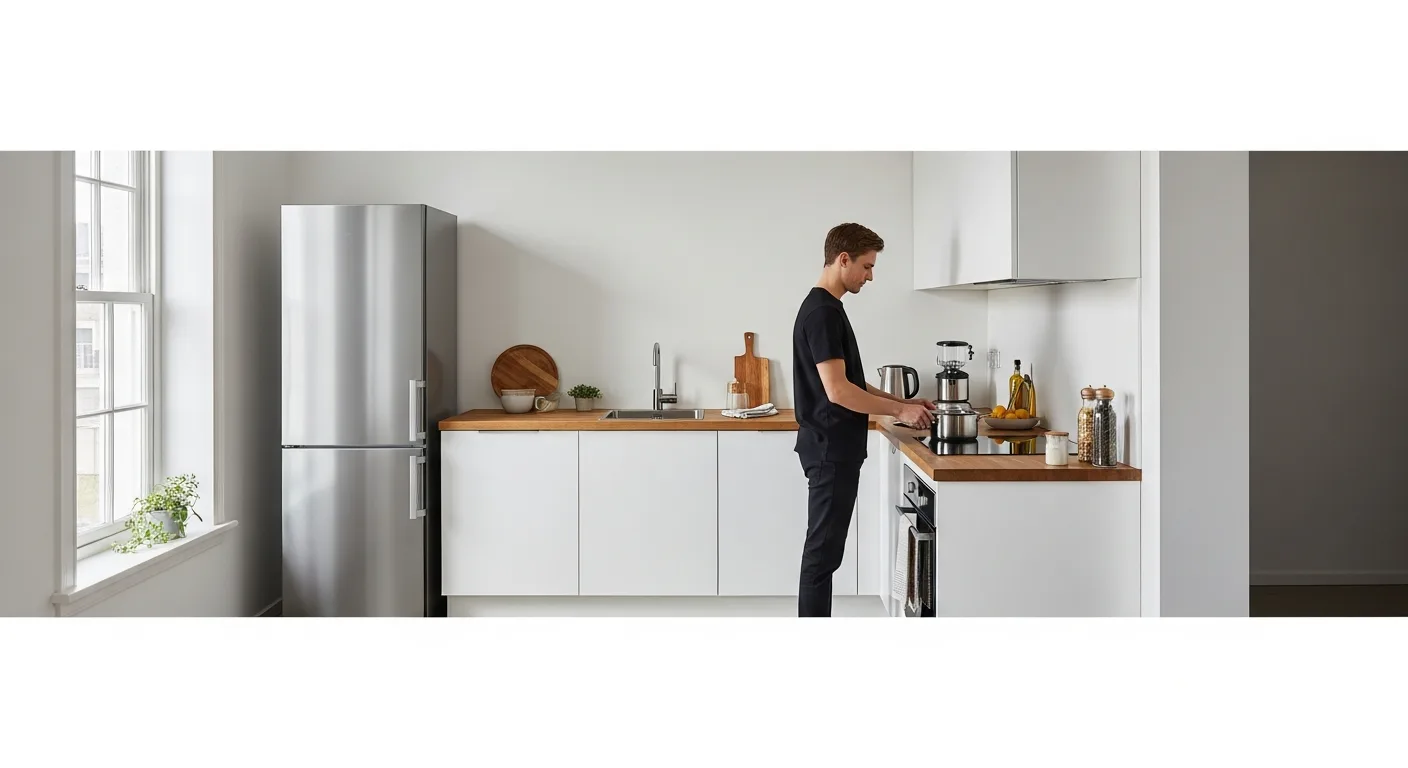
Lighting is often the most underestimated element in a kitchen renovation. A man might spend weeks selecting the perfect granite or high-end appliances, only to realize his workspace is plagued by shadows once he starts prepping a meal. The right ceiling lights for kitchen spaces do more than just brighten a room; they define the workflow, enhance safety, and set the mood for social gatherings.
To achieve a professional-grade setup, he must think in layers. Relying on a single central fixture is a common mistake that results in a flat, uninspiring environment. Instead, a successful design integrates ambient, task, and accent lighting to ensure every corner of the room serves its purpose.
Layering Light for Maximum Functionality
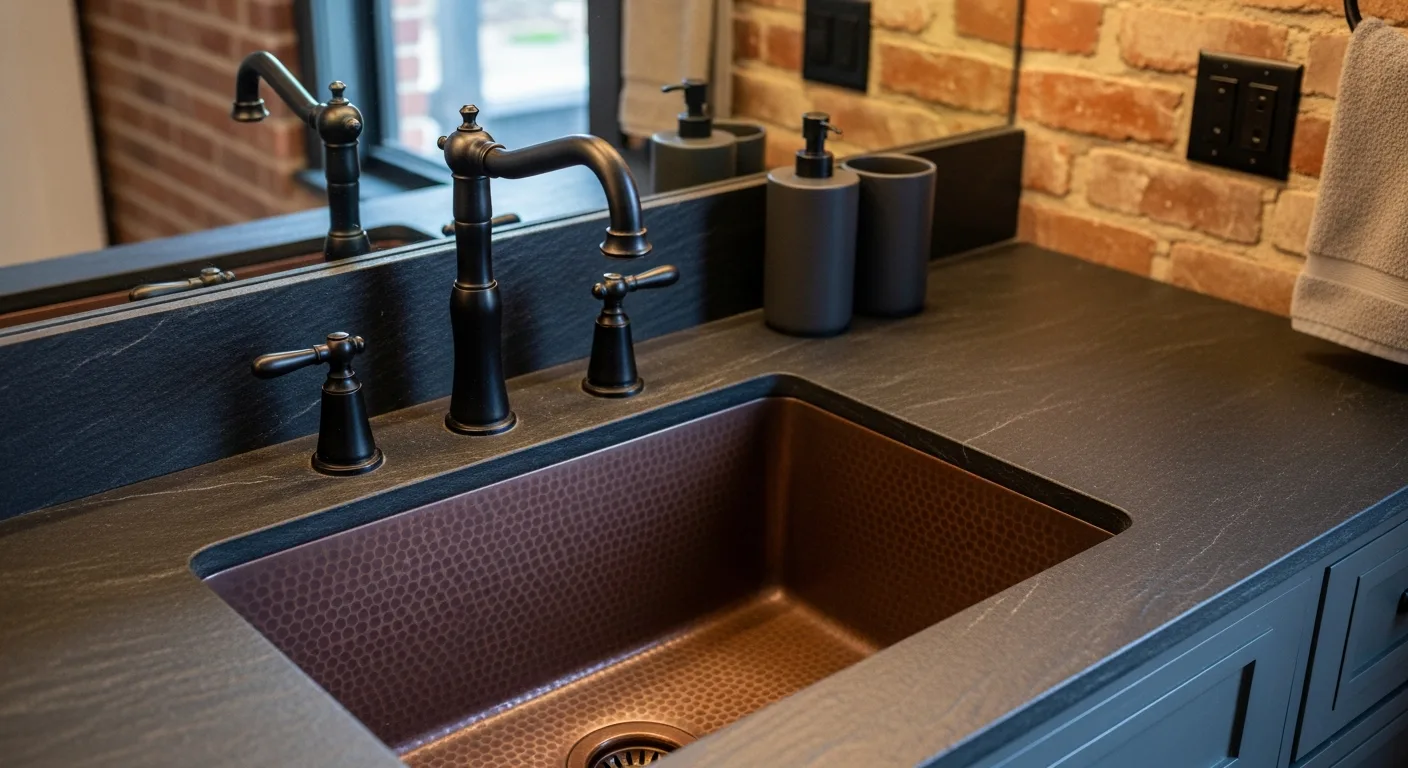
Effective kitchen lighting starts with understanding how light interacts with surfaces. When a homeowner selects contrasting cabinet finishes, the overhead lighting must work twice as hard to balance the different reflective surfaces. Darker lower cabinets absorb light, while lighter uppers reflect it, requiring a strategic placement of fixtures to maintain visual equilibrium.
Ambient Lighting: The Primary Source
Ambient lighting provides the general illumination for the entire space. This is typically achieved through recessed can lights or large flush-mount fixtures. For a standard 10×10 kitchen, he should aim for a grid pattern that ensures light overlaps, preventing dark spots in high-traffic areas. If the ceiling is low, a sleek flush mount keeps the profile clean without sacrificing brightness.
Task Lighting: Precision for the Chef
Task lighting is where the real work happens. This layer focuses light directly onto work surfaces like the island, sink, and stove. While overhead fixtures provide the bulk of the illumination, he should also consider supplemental task fixtures to eliminate shadows on the countertop that his own body might cast when leaning over a cutting board.
Choosing Fixtures Based on Kitchen Style
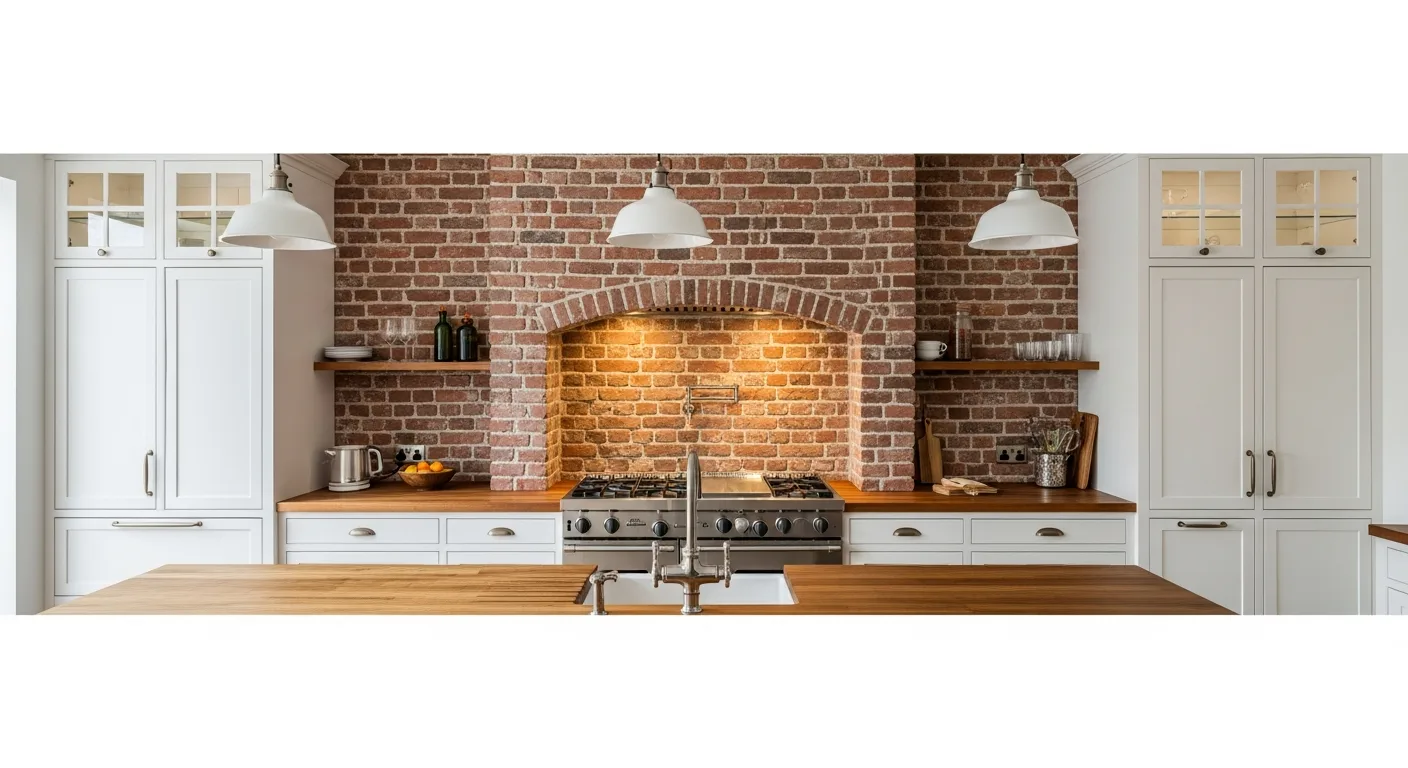
The aesthetic of the ceiling light should complement the overall architectural theme of the home. A man living in a modern industrial loft will gravitate toward different fixtures than someone in a traditional farmhouse.
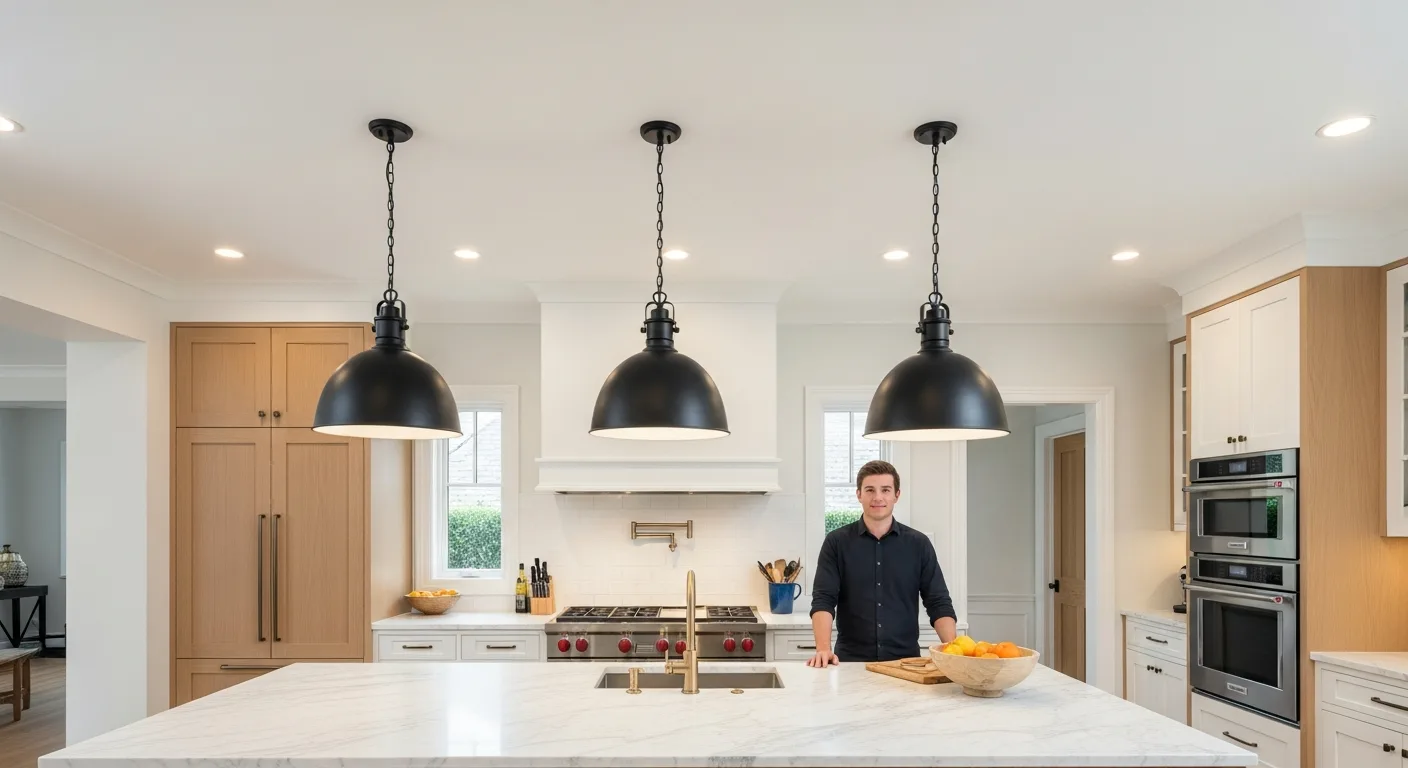
- Pendant Lights: These are the jewelry of the kitchen. Ideally placed over an island or breakfast bar, they should hang approximately 30 to 36 inches above the surface. He should choose odd numbers—usually three—to create a balanced visual rhythm.
- Semi-Flush Mounts: Perfect for kitchens with 8- to 9-foot ceilings. These fixtures hang slightly below the ceiling, allowing light to reflect off the ceiling surface and back down, creating a softer glow.
- Track Lighting: A versatile option for older homes where rewiring for recessed lights is difficult. He can aim individual heads toward specific zones, such as the pantry or the coffee station.
Technical Specs: Lumens and Color Temperature
The technical side of lighting is just as vital as the style. For a kitchen, he needs bright, clear light that mimics daylight without feeling clinical. This is measured in Kelvins (K) and Lumens.
A color temperature between 3000K and 4000K is the sweet spot for kitchens. It provides a crisp, white light that makes food look appetizing and helps him stay alert while handling sharp knives. In terms of brightness, a kitchen requires about 70 to 80 lumens per square foot in prep areas, while 30 to 40 lumens is sufficient for general walkways.
Installation and Smart Control
Installing new ceiling lights often requires a professional touch, especially if he is adding new junction boxes or upgrading a circuit. He should always ensure the power is cut at the breaker before attempting any DIY adjustments. Furthermore, adding dimmer switches is a non-negotiable upgrade. Dimmers allow him to transition the kitchen from a bright, high-energy workspace during meal prep to a warm, inviting atmosphere for late-night drinks.
Frequently Asked Questions
How many recessed lights do I need for my kitchen?
A general rule of thumb is to divide the ceiling height by two. If he has an 8-foot ceiling, he should space the lights approximately 4 feet apart. He should also place them about 12 to 18 inches away from the cabinets to ensure the light hits the countertops directly.
Can I mix different styles of ceiling lights?
Yes, mixing styles adds depth. He can use modern recessed cans for ambient light and pair them with vintage-inspired pendants over the island. The key is to maintain a consistent finish, such as matte black or brushed nickel, to tie the look together.
What is the best height for kitchen island pendants?
The bottom of the pendant should sit 30 to 36 inches above the countertop. If he is particularly tall, he may want to hang them slightly higher to ensure they don’t obstruct his line of sight while he works.
Are LED ceiling lights better than incandescent?
LEDs are superior in every way for the kitchen. They consume significantly less energy, last for decades, and produce very little heat—a major benefit in a room that already gets hot from cooking.