The Real Price Tag of Cooling a 1,200 Sq Ft Home
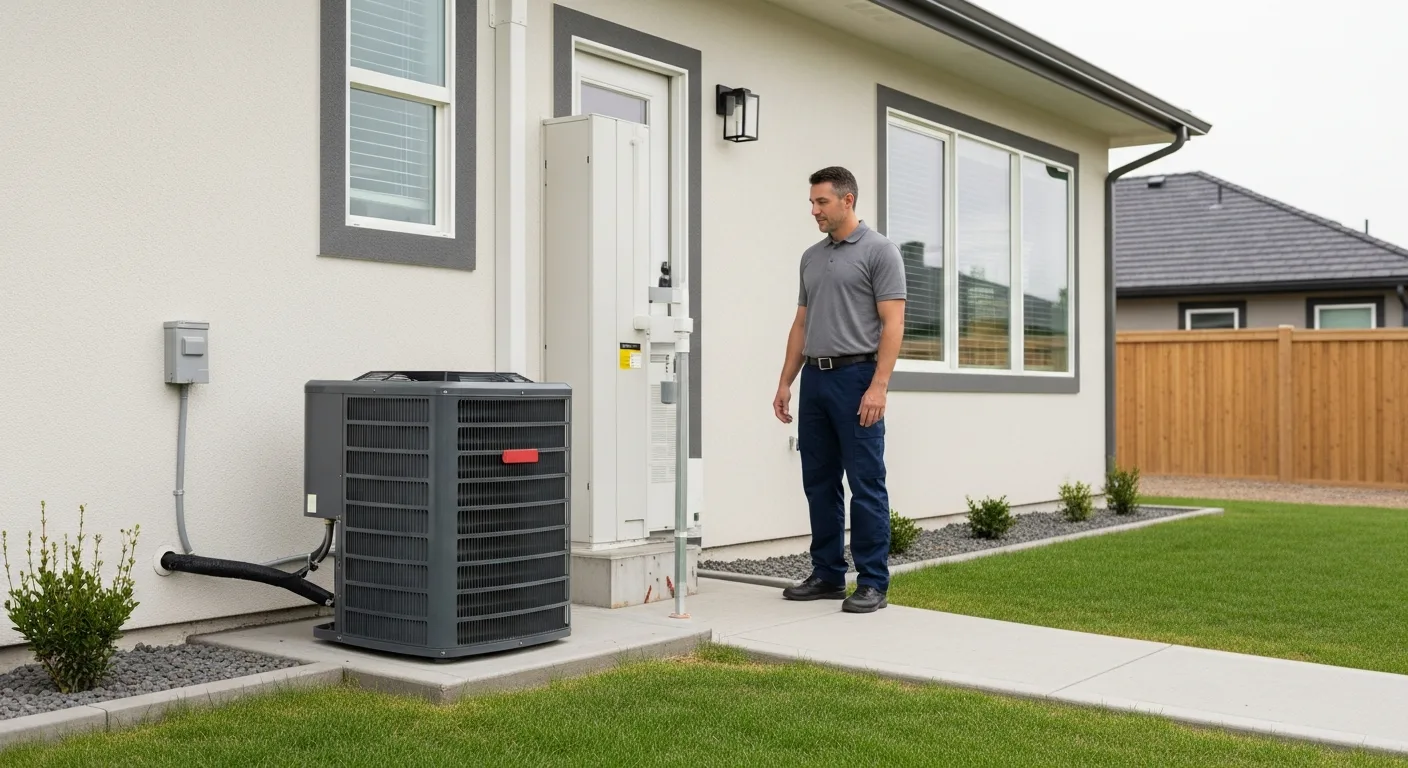
Stop sweating through the summer months and guessing at the price tag. For a man owning a 1,200 square foot home, installing central air is one of the most significant upgrades he can make to his property. In 2026, the average cost to install a central air conditioning system for a house of this size typically ranges between $3,800 and $7,200. This price fluctuates based on the brand, the efficiency rating, and whether he is replacing an old unit or installing a brand-new system from scratch.
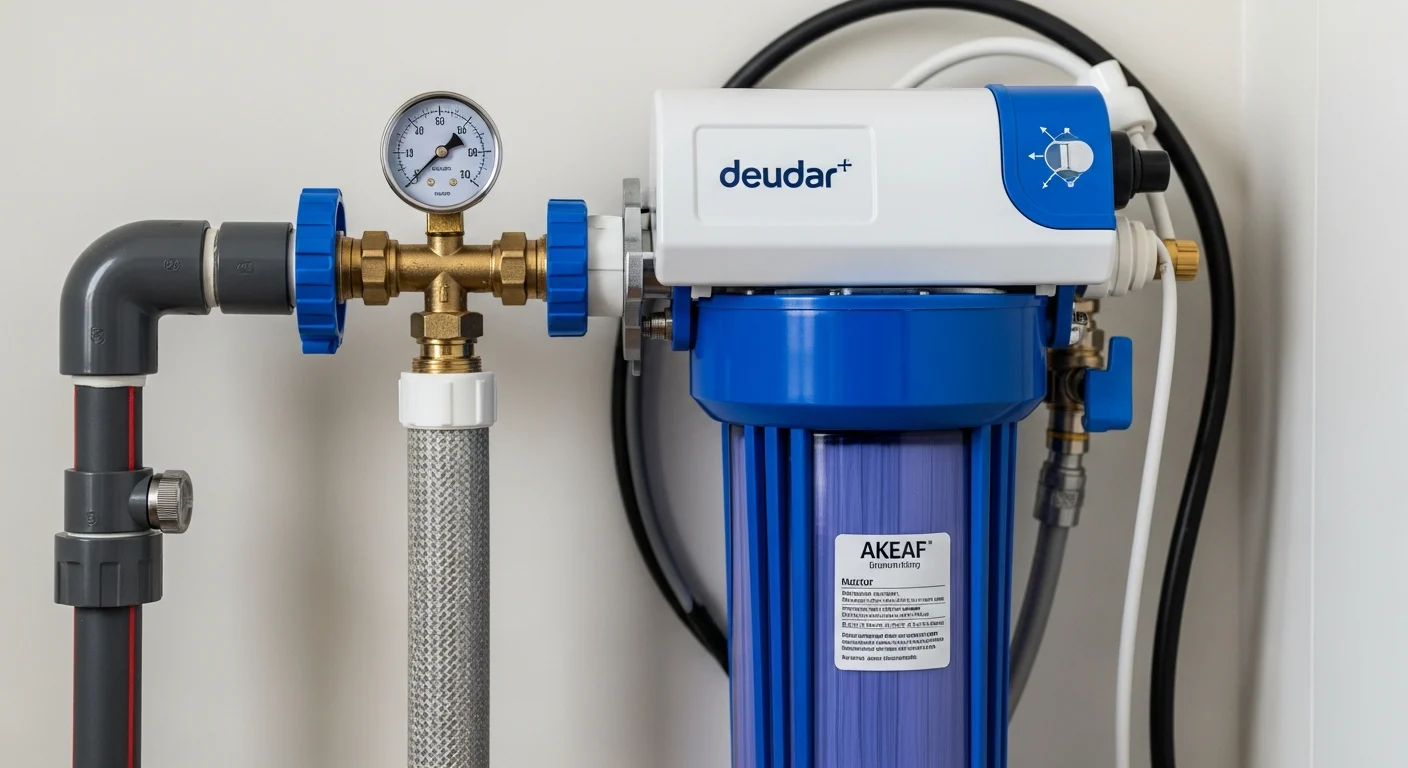
While the initial investment might seem steep, it directly impacts his daily comfort and the long-term resale value of his home. Before he signs a contract, he should familiarize himself with understanding home hvac components to ensure he isn’t overpaying for parts or features his specific layout doesn’t require.
Breaking Down the Cost Factors
The total bill isn’t just about the metal box sitting outside. Several variables dictate where a homeowner falls on the price spectrum:
- Unit Size (Tonnage): A 1,200 sq ft home generally requires a 2-ton to 2.5-ton unit. A system that is too small will run constantly, while one that is too large will short-cycle, leading to humidity issues.
- SEER2 Ratings: Efficiency is measured by the Seasonal Energy Efficiency Ratio (SEER2). Higher ratings (16 to 20+) cost more upfront but slash monthly utility bills.
- Labor and Installation: This usually accounts for 40% to 50% of the total cost. If the technician has to navigate tight crawlspaces or outdated electrical panels, the price climbs.
- Ductwork Condition: If his existing ducts are leaky or undersized, he might spend an additional $1,500 to $3,000 on repairs or replacement.
Choosing the Right Tonnage for 1,200 Square Feet
He doesn’t need a massive 5-ton unit for a modest 1,200 sq ft footprint. Most HVAC professionals use a “Manual J” calculation to determine the exact cooling load. For this square footage, a 2-ton unit is the standard. It provides roughly 24,000 BTUs of cooling power per hour, which is sufficient for most standard layouts. However, if he lives in a region with extreme heat or has a home with vaulted ceilings and poor insulation, he might need to bump up to a 2.5-ton system.
Installing the wrong size is a recipe for disaster. An oversized unit will cool the air so fast that it fails to remove moisture, leaving him in a cold, clammy environment. Conversely, an undersized unit will burn out its compressor within a few years trying to keep up with the heat.
Labor Costs and Retrofitting Challenges
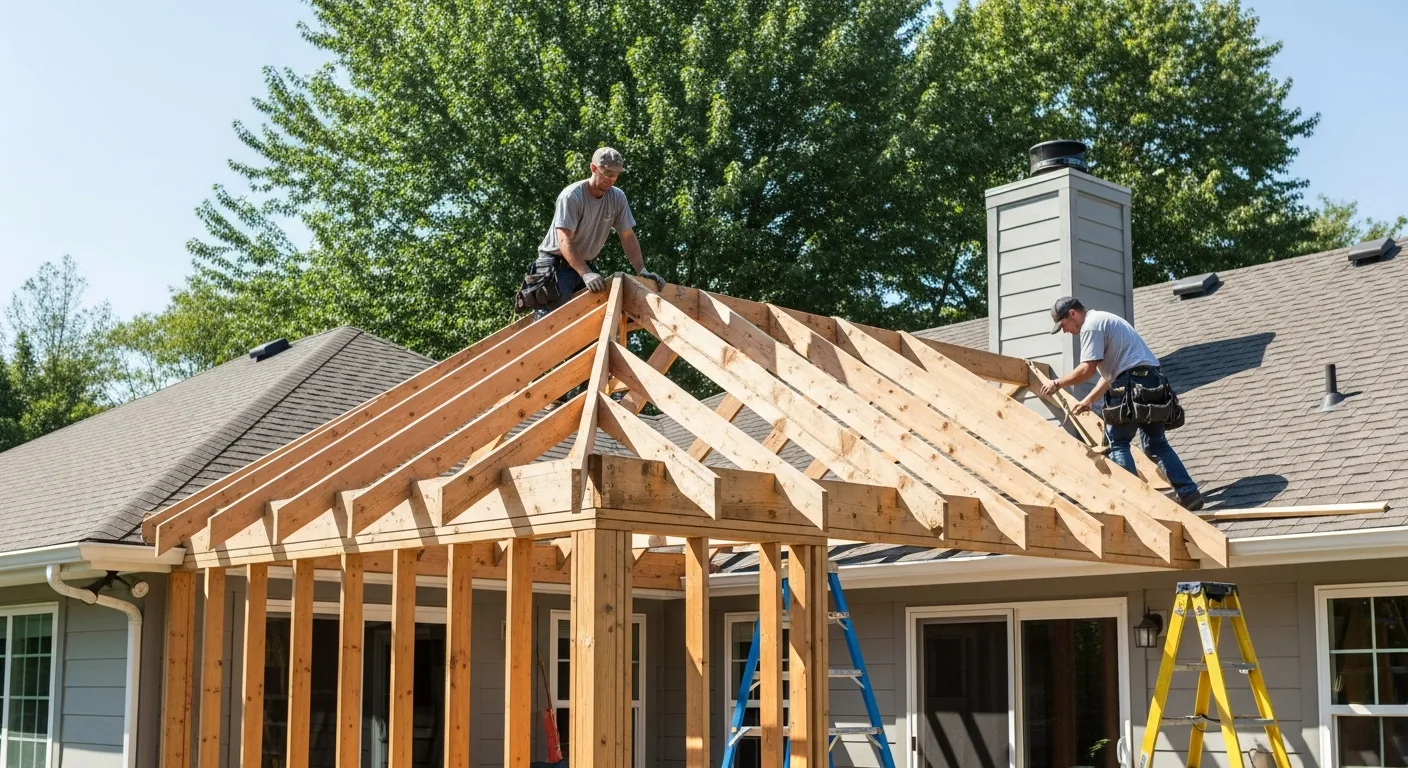
If he is replacing an existing central air system, the job is straightforward. The contractor swaps the condenser and evaporator coil, connects the lines, and tests the pressure. This usually takes a single day. However, if he is converting from window units or baseboard heat, he faces a “full install.” This involves cutting vents into floors or ceilings and running new refrigerant lines.
Labor rates in 2026 vary by region, but he should expect to pay between $100 and $200 per hour for a licensed HVAC lead and his assistant. He should always demand a fixed-price quote rather than an hourly estimate to avoid budget creep.
Maximizing the Lifespan of the New System
Once the system is humming, the goal is to keep it that way for 15 to 20 years. Neglect is the primary reason systems fail prematurely. Proper upkeep is the only way to protect this investment; following home hvac maintenance essentials can extend the system’s life by years and keep the manufacturer’s warranty valid.
He should make it a habit to change filters every 90 days and clear debris from the outdoor condenser unit. A simple rinse with a garden hose can prevent the fins from clogging with dirt and pollen, which forces the motor to work harder than necessary.
Frequently Asked Questions
What is the cheapest way to add central air to a 1,200 sq ft house?
The most cost-effective method is replacing an existing unit while keeping the current ductwork. If the home has no ducts, a ductless mini-split system might be cheaper than installing a full central air system with new ventilation.
Does central air increase home value?
Yes. On average, a man can expect a 50% to 70% return on investment (ROI) when he installs central air. It is often a deal-breaker for buyers in warmer climates.
How long does it take to install central air?
A standard replacement takes 8 to 14 hours. A full installation in a home that previously lacked central air can take 3 to 5 days, depending on the complexity of the ductwork.
Should I choose a high SEER2 unit in 2026?
If he plans to stay in the home for more than five years, a higher SEER2 rating (18+) is worth the extra $1,000 upfront. The energy savings will eventually pay for the difference in equipment cost.