The Timeless Appeal of Copper in the Modern Kitchen
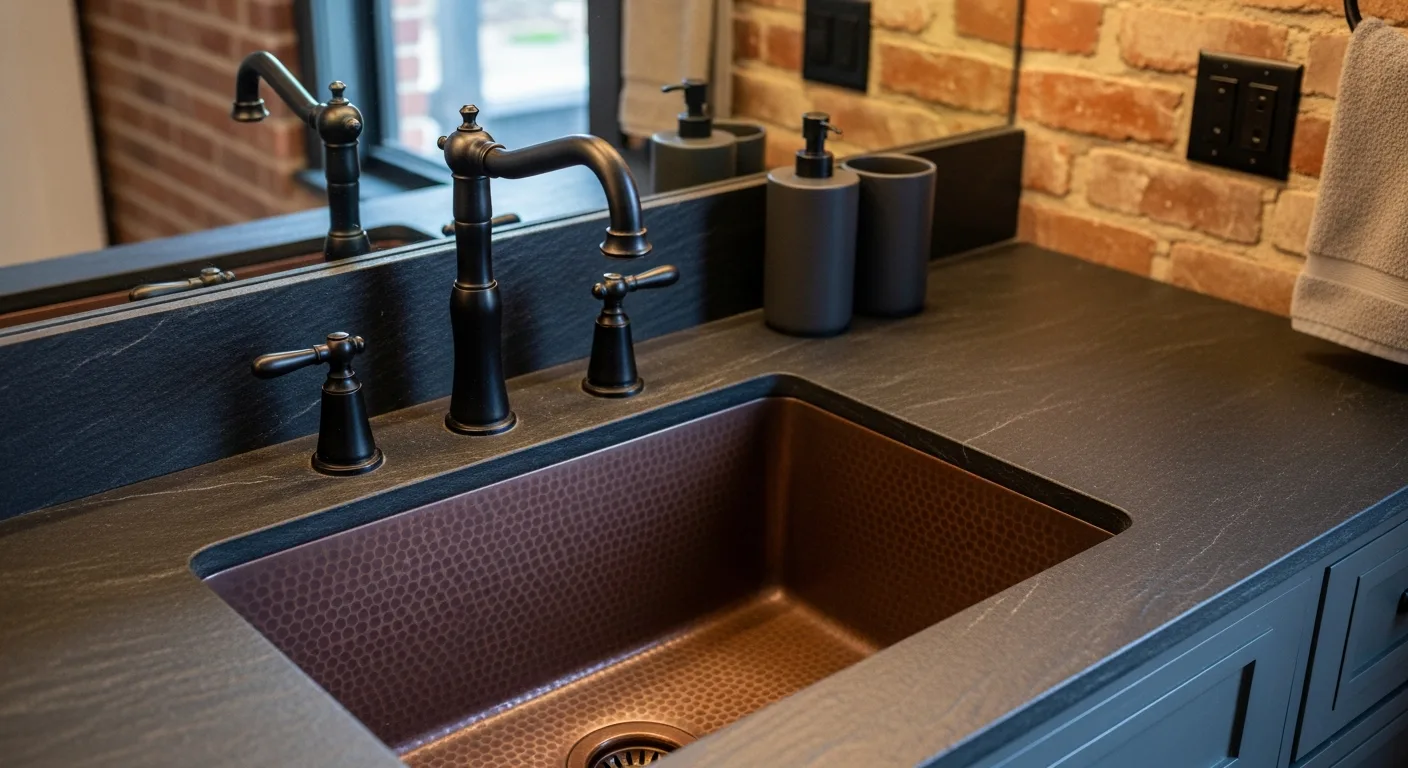
When a man decides to upgrade his kitchen, he often looks for a balance between rugged durability and high-end aesthetics. A copper kitchen sink offers exactly that. Unlike stainless steel, which can feel clinical and cold, copper brings a warmth and depth to the room that few other materials can match. It acts as a centerpiece, drawing the eye and signaling a commitment to quality craftsmanship.
The visual impact of copper is undeniable. Whether he is aiming for a rustic farmhouse look or a sleek industrial vibe, copper adapts. It is a material that tells a story, changing over time and reflecting the way he uses his space. To complete the look, many homeowners find that pairing it with a matching copper kitchen faucet creates a cohesive, high-end aesthetic that significantly boosts the room’s character.
Natural Antimicrobial Properties: A Healthier Workspace
One of the most practical reasons to choose copper is its inherent ability to kill bacteria. In a space where raw meat is handled and dishes are cleaned, hygiene is paramount. Copper is naturally antimicrobial; studies have shown that harmful bacteria, such as E. coli and Salmonella, can only survive on copper surfaces for a few hours, whereas they can live for days on stainless steel or stone.
For the man who takes his cooking seriously, this provides an extra layer of protection. He can prep his meals with the confidence that his sink is actively working to maintain a cleaner environment. This biological advantage makes copper one of the most functional choices when comparing different kitchen sink materials for a high-traffic home.
Understanding the Patina: A Living Finish
A copper kitchen sink is not a static object. It features what is known as a “living finish.” Over time, exposure to air, water, and minerals causes the metal to oxidize, developing a rich, dark coating called a patina. This process is entirely natural and serves as a protective layer for the metal underneath.
- Initial Phase: The sink starts as a bright, penny-like orange.
- Transition: As he uses the sink, he will notice spots and streaks. This is normal and part of the aging process.
- Mature Patina: Eventually, the sink settles into a deep, variegated brown or bronze tone that hides scratches and water spots exceptionally well.
If he prefers the original shine, he can apply a wax coating regularly to slow down the oxidation. However, most enthusiasts appreciate the patina for the unique, one-of-a-kind character it develops over the years.
Durability and Gauge: What Every Homeowner Should Know
Not all copper sinks are created equal. The thickness of the metal, measured in gauge, determines the sink’s longevity and performance. A lower gauge number indicates a thicker, more durable metal. For a kitchen sink that will see daily use, he should look for 16-gauge or 14-gauge copper.
Thicker copper is less likely to dent and produces much less noise when the faucet is running or when dishes are placed inside. A high-quality, heavy-gauge sink will last for decades, making it a sound investment for his property. He should also ensure the sink is made of 99% pure copper, avoiding alloys that may contain lead or other unwanted impurities.
Maintenance and Care for Long-Term Brilliance
Maintaining a copper sink is surprisingly straightforward, provided he avoids the wrong products. He should never use harsh chemicals, abrasive scrubbers, or bleach, as these will strip the patina and can damage the metal. Instead, a simple routine of mild soap and warm water is all that is required.
After each use, he should rinse the sink and wipe it dry with a soft cloth. This prevents mineral deposits from the water—often called “green spotting”—from forming. If he wants to maintain a specific level of shine, a specialized copper cleaner or a light coat of carnauba wax every few months will keep the metal looking exactly how he wants it.
Frequently Asked Questions
Do copper sinks scratch easily?
Copper is a softer metal than stainless steel, so it can scratch. However, the beauty of the patina is that it naturally “heals” these scratches over time as the exposed metal oxidizes and blends back into the surrounding finish.
Will a copper sink turn green?
A copper sink will only turn green (verdigris) if it is exposed to salt or acidic substances for prolonged periods without being rinsed. Regular cleaning and drying after use will prevent this from happening.
Are copper sinks loud?
If he chooses a high-quality, thick-gauge sink (14 or 16 gauge), it will be very quiet. Thinner, cheaper copper sinks can have a “tinny” sound, but premium models are naturally sound-dampening.
Can I use a garbage disposal with a copper sink?
Yes, copper sinks are compatible with garbage disposals. He will simply need a matching copper disposal flange to ensure the aesthetic remains consistent throughout the installation.