Identifying the Common House Spider Bite
Waking up with a mysterious red bump can be unsettling for any man. While the mind often jumps to dangerous predators, the culprit is usually the common house spider (Parasteatoda tepidariorum). These spiders are not aggressive and typically only bite when they are accidentally crushed or trapped against a man’s skin, such as while he is sleeping or putting on a pair of boots that has been sitting in the garage.
A bite from a common house spider is rarely a cause for alarm. Unlike their more notorious cousins, these spiders possess venom designed to paralyze small insects, not harm humans. For most men, the experience is no more painful than a mild bee sting or a mosquito bite. Understanding the specific symptoms can help him stay calm and manage the irritation effectively.
Primary Symptoms of a House Spider Bite
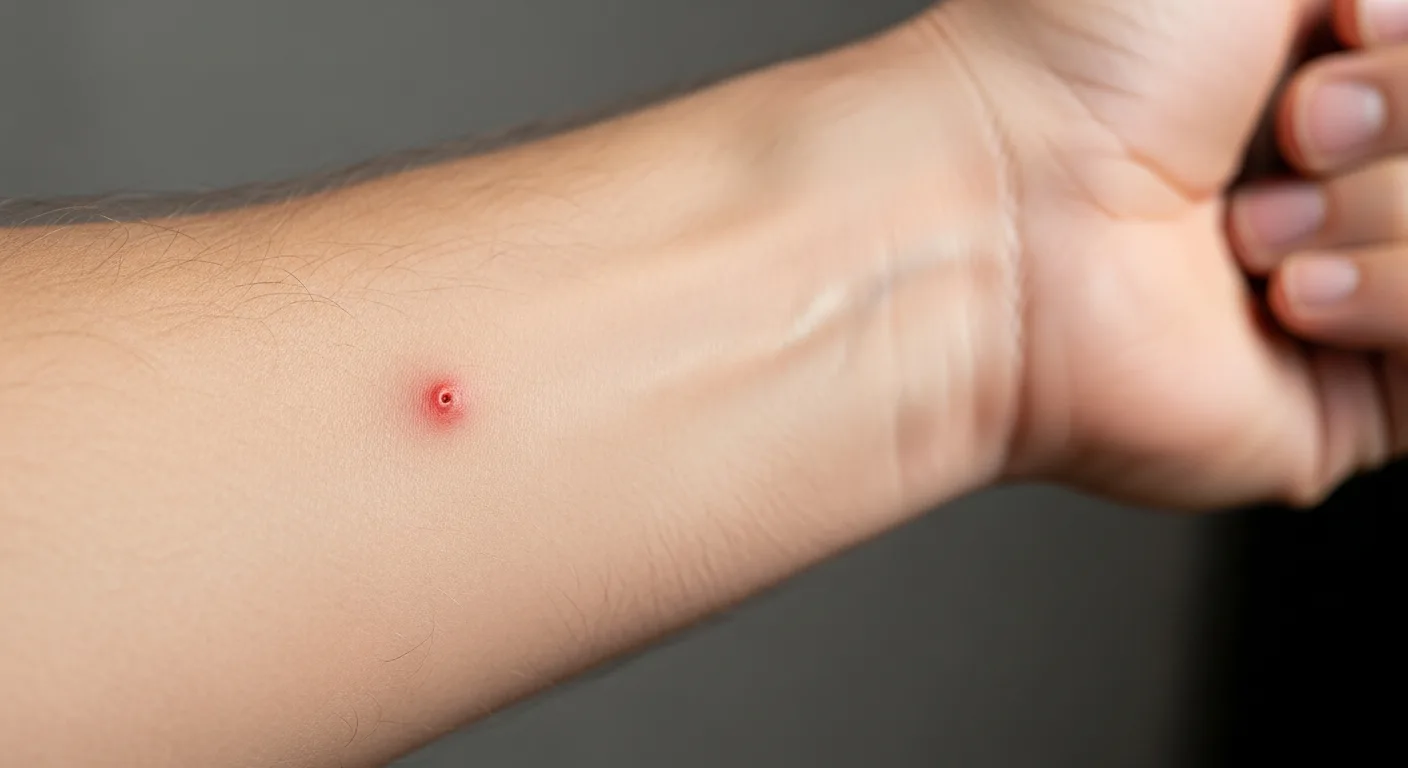
If he suspects he has been bitten, he should look for a few tell-tale signs. The reaction is almost always localized, meaning it won’t spread across his entire body. Common symptoms include:
- Mild Redness: A small, circular red area typically forms around the puncture site.
- Localized Swelling: The area may become slightly raised or puffy.
- Itching or Irritation: This is the most common complaint and can last for a few days.
- Minor Pain: He might feel a slight stinging sensation immediately after the bite, which usually fades into a dull ache.
It is important to distinguish these minor reactions from more serious threats. If he notices a central blister or a deep purple discoloration, he may be dealing with a more venomous species. In such cases, he should evaluate the differences between a brown recluse and a house spider to determine if professional medical intervention is necessary.
Immediate First Aid and Home Treatment
Once he has confirmed the bite is from a non-dangerous house spider, he can manage the symptoms with basic first aid. The goal is to prevent infection and reduce discomfort.
First, he should wash the area thoroughly with warm water and mild soap. This removes any lingering bacteria or venom from the surface of the skin. After cleaning, applying a cold compress or an ice pack wrapped in a cloth for 10 minutes can significantly reduce swelling and numb the minor pain.
If the itching becomes distracting, an over-the-counter antihistamine or a topical hydrocortisone cream can provide relief. He should avoid scratching the bite, as this can break the skin and lead to a secondary bacterial infection, which would require a much longer recovery time.
When Should He See a Doctor?
While most house spider bites resolve on their own within three to five days, there are exceptions. He should monitor the site closely for any signs of an allergic reaction or infection. Medical attention is required if he experiences:
- Difficulty breathing or wheezing.
- Swelling of the face, lips, or tongue.
- A rash that spreads far beyond the initial bite site.
- Increased pain, heat, or red streaks radiating from the wound.
- Fever or chills.
If the bite does not show signs of improvement after a week, or if the pain intensifies rather than subsiding, a physician can prescribe stronger ointments or antibiotics to ensure he heals properly.
Preventing Spiders in the Home
The best way to deal with spider bites is to prevent them from happening in the first place. Spiders are drawn to cluttered areas where they can hunt other insects undisturbed. He can reduce the spider population in his living space by maintaining a regular cleaning schedule and sealing potential entry points.
Focusing on integrated pest management is key. This includes vacuuming corners, behind furniture, and in basements to remove webs and egg sacs. He should also ensure that window screens are intact and that gaps under doors are sealed with weatherstripping. For more comprehensive strategies, he can explore effective household pest control methods to keep his home free of the insects that attract spiders in the first place.
Frequently Asked Questions
How long does a house spider bite last?
In most cases, the redness and itching from a common house spider bite will disappear within 2 to 5 days. If the symptoms persist longer, he should check for signs of infection.
Can a house spider bite through clothing?
It is very unlikely. Most house spiders have small fangs that cannot penetrate fabric. Bites usually occur when the spider is trapped directly against the skin.
Are house spiders beneficial to have around?
Yes. They act as natural pest control by eating flies, mosquitoes, and moths. If he can tolerate their presence in out-of-the-way areas, they can actually help keep his home cleaner.
What is the best cream for a spider bite?
Hydrocortisone cream or calamine lotion are the best options for reducing itchiness and inflammation. For pain, a simple aloe vera gel can also be soothing.