The Essential Guide to Common House Plants
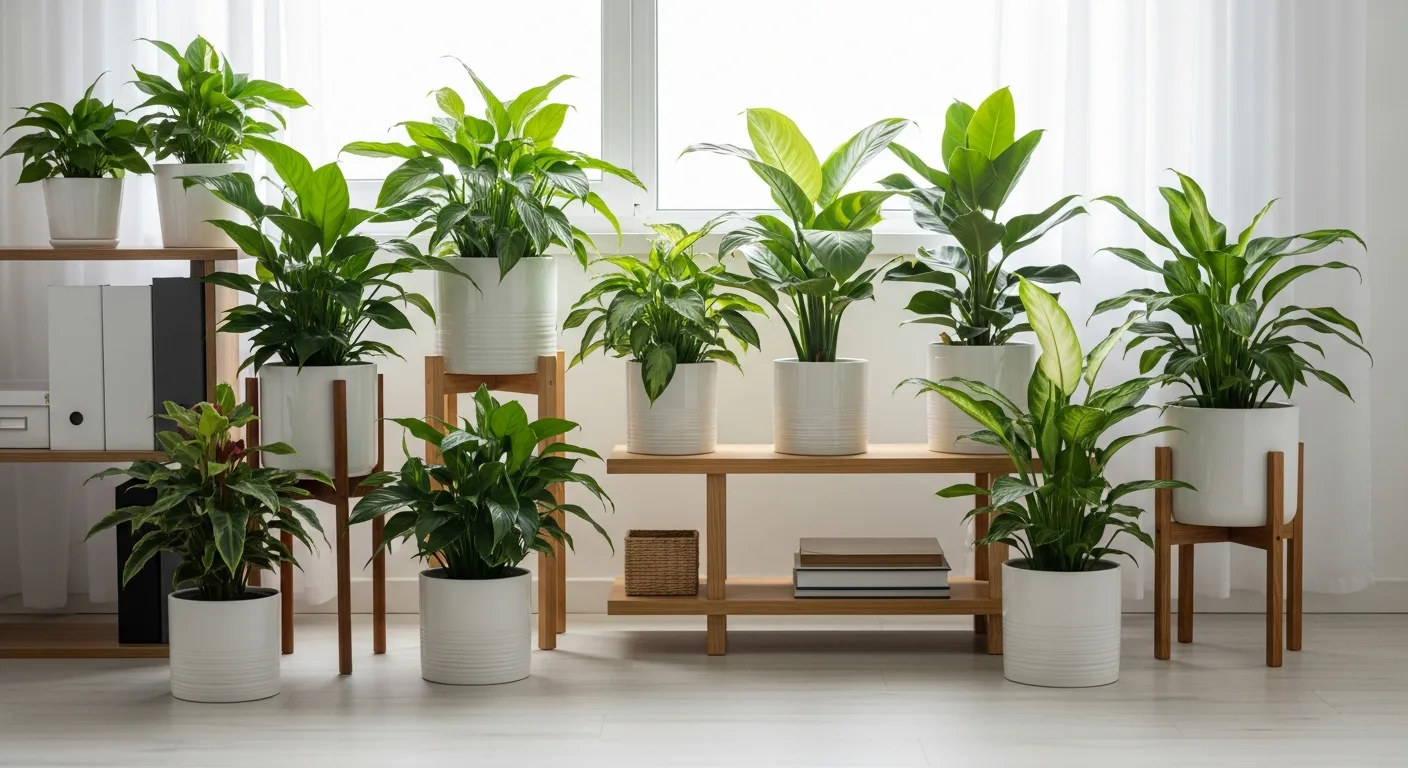
Bringing greenery into a living space does more than just fill an empty corner; it transforms the atmosphere of a home. For the modern man looking to improve his environment, common house plants offer a blend of aesthetic appeal and air-purifying benefits. Whether he is a seasoned gardener or someone who has never owned a pot, selecting the right species is the first step toward a thriving indoor oasis.
Low-Maintenance Greenery for the Busy Professional
Not everyone has the time to monitor soil moisture levels daily. For those with a demanding schedule, the Snake Plant (Sansevieria) is an unbeatable choice. It is incredibly resilient, thriving even when he forgets to water it for weeks. Its architectural, upright leaves add a sharp, masculine edge to any room.
Another top contender is the ZZ Plant (Zamioculcas zamiifolia). This plant is famous for its ability to survive in low-light conditions, making it perfect for an office or a hallway. Its waxy, deep green leaves reflect light, adding a touch of life to darker spaces. When selecting the right species for your specific environment, these two should be at the top of the list for their sheer durability.
Statement Plants for High-Impact Interior Design
If he wants to make a bold visual statement, the Monstera Deliciosa, often called the Swiss Cheese Plant, is the way to go. Its large, fenestrated leaves create a tropical vibe that can anchor a living room’s design. As the plant grows, he may need to provide a moss pole for support, allowing it to climb and reach its full potential.
The Rubber Tree (Ficus elastica) is another excellent option for those seeking height and drama. With its thick, leathery leaves that come in shades of deep green or even burgundy, it serves as a living sculpture. He should place it in a spot with bright, indirect light to maintain its vibrant color and prevent leaf drop.
Optimizing Growth: Light, Water, and Soil
Understanding the fundamental needs of indoor greenery is what separates a thriving plant from a struggling one. Most common house plants fail due to overwatering rather than neglect. He should always check the top two inches of soil; if it feels dry to the touch, it is time to water. If it is still damp, he should wait.
- Light: Most indoor plants prefer bright, indirect sunlight. Direct sun can scorch the leaves, while too little light leads to leggy, weak growth.
- Drainage: Always ensure the pot has drainage holes. Standing water at the bottom of a pot leads to root rot, which is often fatal.
- Nutrients: During the growing season (spring and summer), he should use a balanced liquid fertilizer to provide essential minerals.
The foundation of plant health starts with the medium. While many people try to use dirt from their backyard, indoor plants require specialized nutrient-rich potting mixes that offer better aeration and moisture retention than standard garden soil.
Functional Plants for the Kitchen and Beyond
Some plants offer more than just looks. Aloe Vera is a practical addition to any home. Not only is it easy to care for, but the gel inside its leaves provides immediate relief for minor burns or skin irritations. It thrives on a sunny windowsill and requires very little water.
For the man who enjoys cooking, a small indoor herb garden can be both functional and fragrant. Basil, mint, and rosemary are common house plants that can be grown indoors if they receive at least six hours of sunlight. These plants allow him to harvest fresh ingredients directly from his kitchen counter, elevating his culinary game while brightening his workspace.
Frequently Asked Questions
How often should I water my house plants?
Most house plants should be watered once every 1 to 2 weeks. However, he should always check the soil moisture first. If the soil is dry an inch below the surface, the plant likely needs water.
Which house plants are best for low-light rooms?
The ZZ Plant and the Snake Plant are the best options for low-light environments. They can tolerate dim conditions where other plants would struggle to survive.
Why are the leaves on my plant turning yellow?
Yellow leaves are often a sign of overwatering. He should ensure the pot has proper drainage and allow the soil to dry out more between watering sessions.
Do I need to repot my plants every year?
Not necessarily. He should only repot when the plant becomes root-bound, which is usually indicated by roots growing out of the drainage holes or a significant slowdown in growth.