Identifying the Most Frequent Beetle Intruders
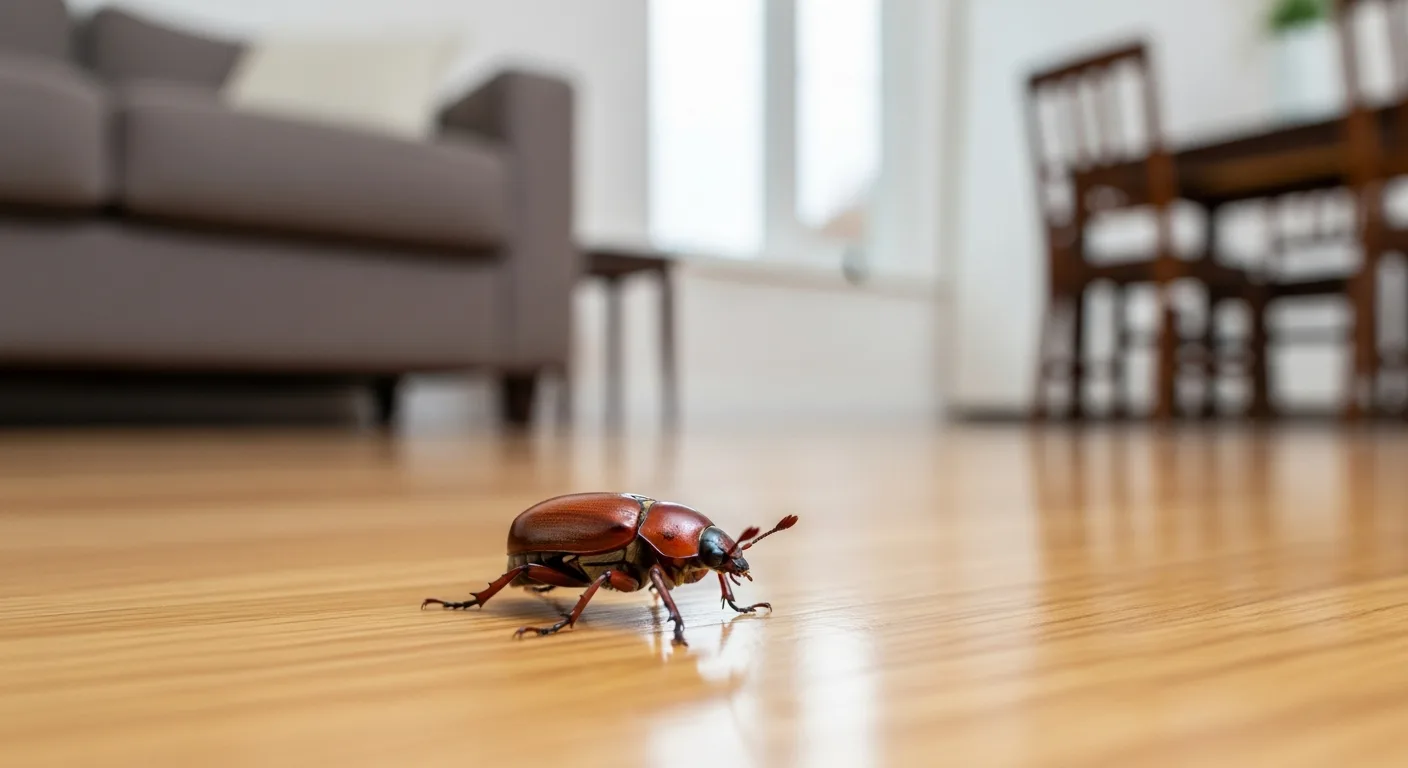
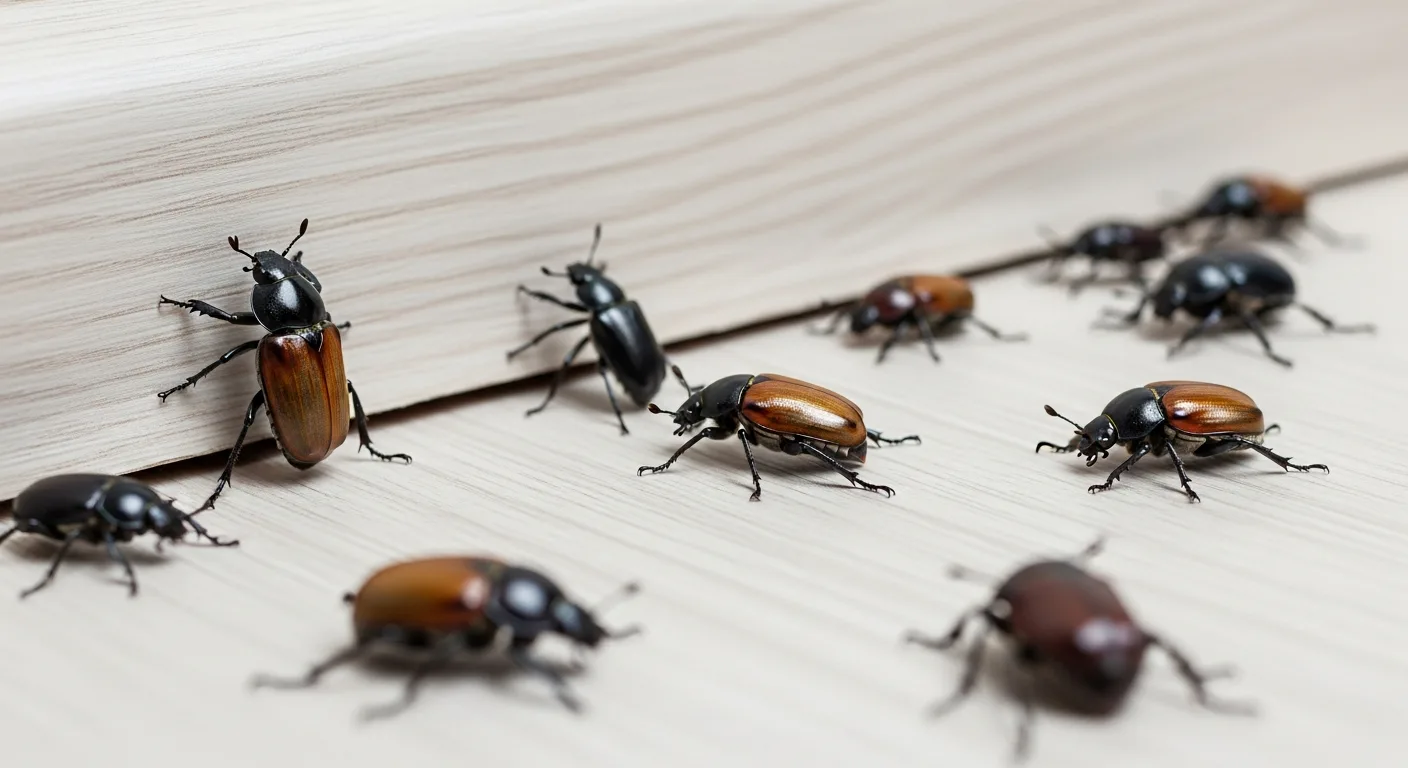
Finding a stray insect on the windowsill might seem harmless, but certain species can cause significant damage to a man’s property if left unchecked. Beetles are among the most diverse insect groups, and several varieties have evolved to thrive specifically within residential environments. Whether they are targeting his pantry, his wardrobe, or the structural timber of his home, understanding which species he is facing is the first step toward total eradication.
Carpet Beetles: The Silent Fabric Eaters
Carpet beetles are perhaps the most widespread indoor pests. While the adults primarily feed on pollen and nectar outdoors, they often fly into homes through open windows or hitch a ride on cut flowers. Once inside, the female lays eggs near organic fibers. It is the larvae, often called “woolly bears” due to their bristly appearance, that do the real damage. He might notice irregular holes in his wool rugs, silk curtains, or leather bookbindings. Because these larvae avoid light, he will often find them hidden in the dark recesses of closets or under heavy furniture.
Pantry Pests: Flour and Grain Beetles
If he discovers tiny, reddish-brown specks moving in his flour, cereal, or dried pet food, he is likely dealing with saw-toothed grain beetles or confused flour beetles. These insects are incredibly small, allowing them to squeeze into seemingly sealed packages. They don’t just eat the food; they contaminate it with waste and shed skins, making it unfit for consumption. To manage this, he should inspect every dry good in his kitchen and transition to airtight glass or heavy plastic containers to starve the population out.
Wood-Boring Beetles: Structural Risks
Perhaps the most dangerous variety is the group that targets the very bones of the house. The common furniture beetle is a prime example, leaving behind tiny circular exit holes and fine, powdery sawdust known as frass. If he ignores these signs, the structural integrity of his flooring or joists could be compromised over time. These beetles prefer damp wood, so maintaining a dry environment is his best defense against a long-term infestation.
Effective Strategies for Beetle Eradication
Eliminating an infestation requires a tactical approach. First, he must identify the primary source of the activity. For pantry pests, this means a total purge of contaminated items. For carpet beetles, a deep cleaning of all textiles is mandatory. He should focus on high-suction vacuuming in corners and along baseboards where hair and lint accumulate, as these serve as a primary food source for larvae.
When natural methods aren’t enough, employing specific diy pest control methods can bridge the gap. Boric acid or diatomaceous earth can be applied to cracks and crevices where beetles hide. These substances work by dehydrating the insect on contact without introducing heavy liquid toxins into his living space. For severe wood-boring issues, however, he may need to consult a professional to ensure the treatment penetrates deep enough into the timber.
Preventing Future Beetle Infestations
Prevention is always more cost-effective than a cure. He can significantly reduce the risk of a beetle invasion by following a few disciplined maintenance habits:
- Seal Entry Points: He should inspect his window screens and door sweeps for gaps. Even a millimeter-wide crack is an open door for a grain beetle.
- Control Humidity: Many beetles, especially wood-boring types, thrive in moist environments. Using a dehumidifier in basements or crawl spaces makes the wood less attractive to them.
- Proper Storage: Seasonal clothing made of wool or fur should be dry-cleaned and stored in vacuum-sealed bags rather than left exposed in a closet.
- Outdoor Lighting: Since many adult beetles are attracted to light, he might consider switching to yellow “bug bulbs” for his porch lights to avoid drawing them toward his doors at night.
Frequently Asked Questions
Are house beetles dangerous to humans?
Generally, no. Most common house beetles do not bite or sting, and they do not carry diseases that affect humans. Their primary threat is the destruction of property, including food, clothing, and wooden structures.
How can I tell the difference between a beetle and a cockroach?
He can distinguish them by their wings. Beetles have a pair of hard, shell-like wing covers called elytra that meet in a straight line down the center of their back. Cockroaches have leathery wings and move significantly faster than most beetle species.
Does vinegar kill house beetles?
Vinegar is an excellent cleaning agent that can remove the pheromone trails left by beetles, and the acidity can kill larvae on contact. However, it is rarely enough to eliminate a full-blown infestation on its own and should be used as part of a broader cleaning strategy.