Identifying the Common Furniture Beetle (Anobium punctatum)
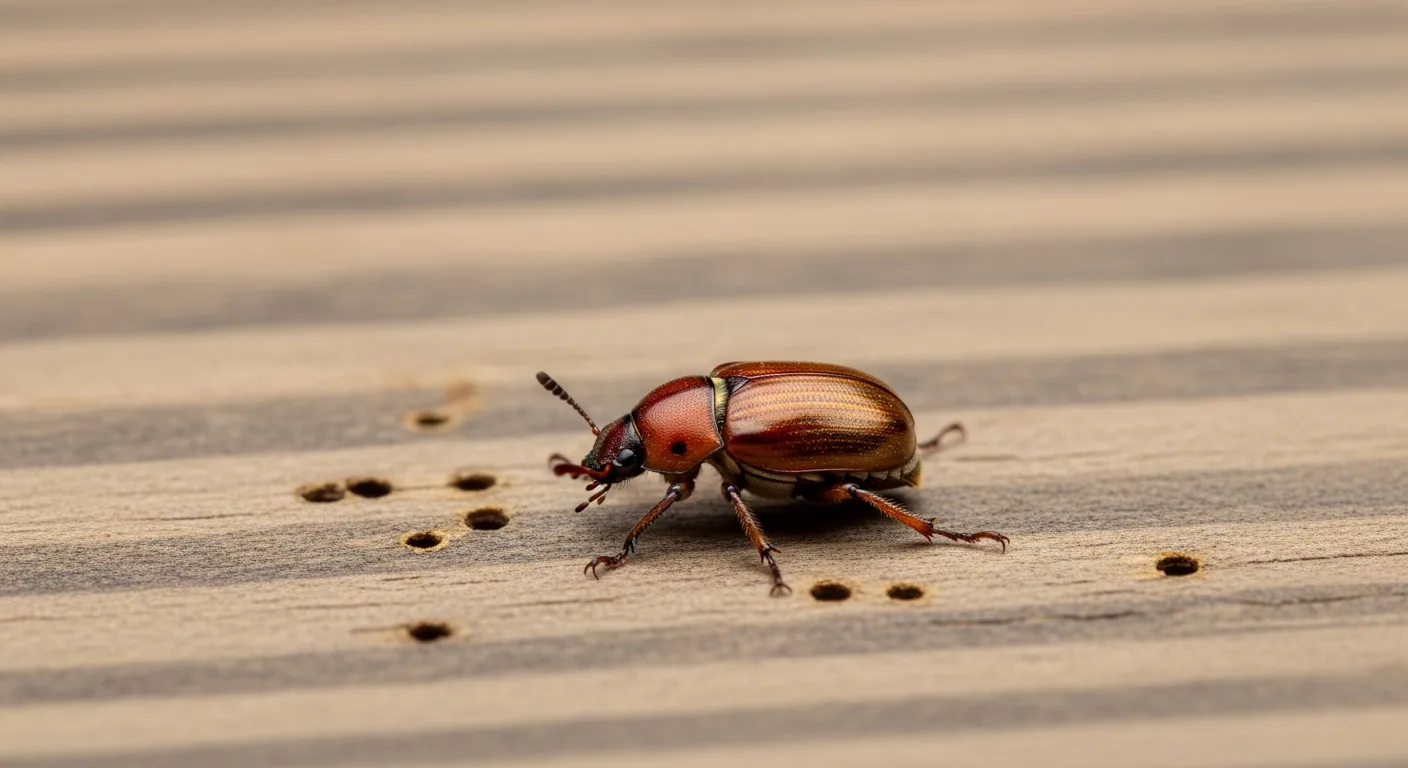
The common furniture beetle, often referred to by its larval name “woodworm,” is the most frequent cause of structural timber damage in residential properties. While the adult beetle is relatively harmless, its larvae spend years tunneling through wood, weakening the internal structure of floorboards, joists, and prized furniture. If a man notices small, circular holes roughly 1mm to 2mm in diameter, he is likely looking at the exit points of matured beetles.
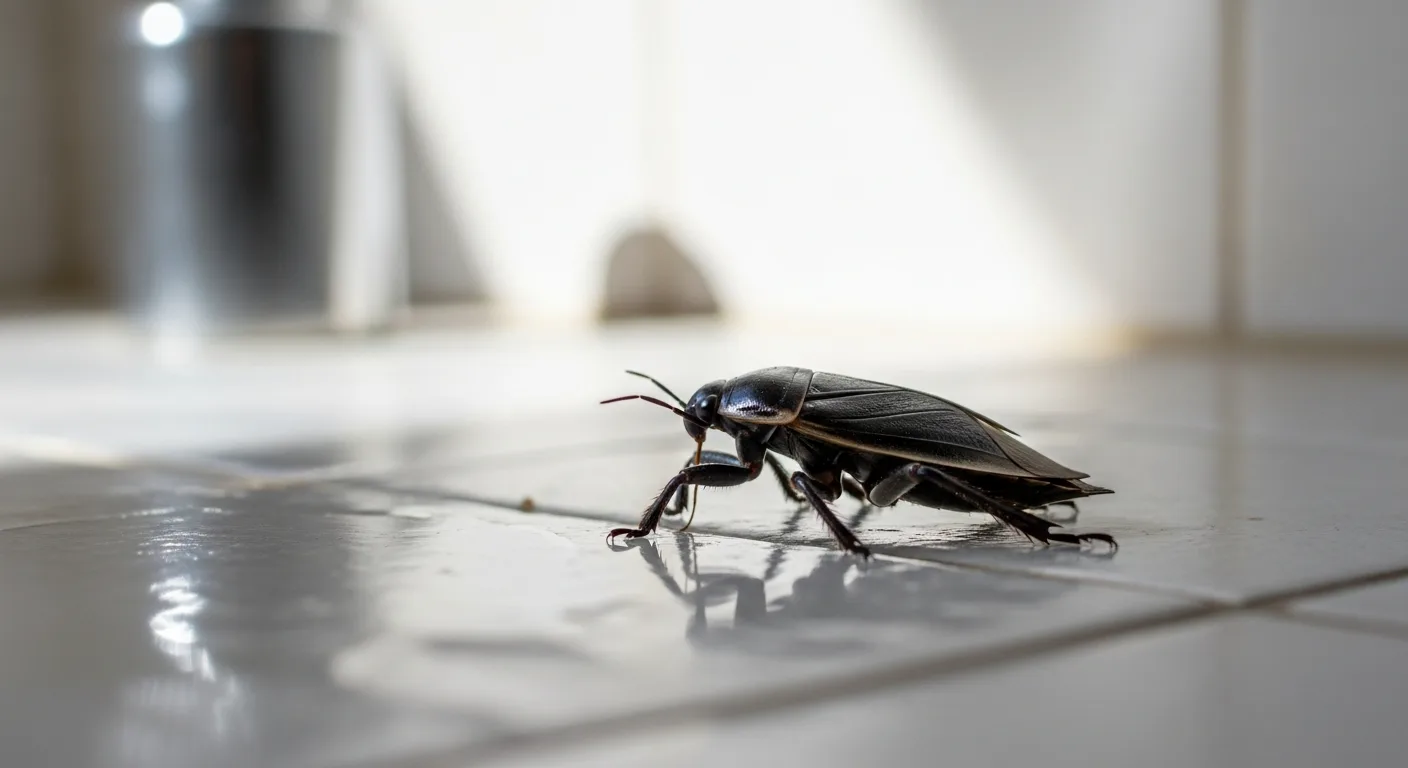
The adult beetle is a small, brown, winged insect, typically 3mm to 5mm in length. It is frequently mistaken for other household pests. To be certain of what he is dealing with, a homeowner should consult a guide on brown beetle in house identification to distinguish Anobium punctatum from less destructive species like the biscuit beetle or the drugstore beetle.
Signs Your Timber is Under Attack
Early detection is vital to prevent a localized issue from becoming a structural nightmare. A man should regularly inspect the darker, more humid areas of his home, such as crawl spaces, lofts, and the undersides of wooden stairs. Look for these specific indicators:
- Fresh Exit Holes: Sharp-edged, round holes that appear “bright” inside, indicating recent activity.
- Bore Dust (Frass): A fine, gritty powder found beneath the holes. This is actually beetle excrement and looks like tiny wood shavings.
- Crumbling Wood: If the edges of a floorboard or a furniture leg feel soft or break away easily, the internal tunneling has likely reached a critical point.
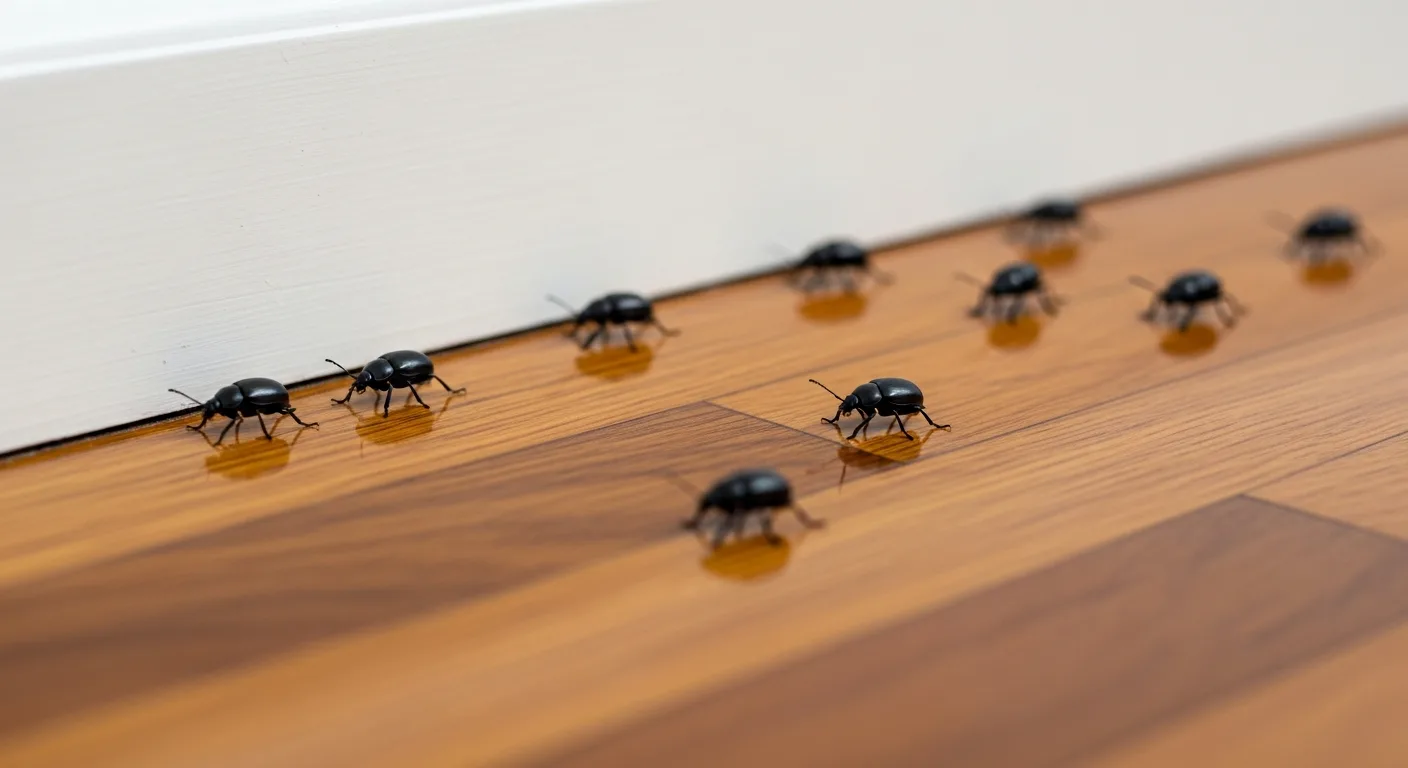
- Live Beetles: Between May and August, adult beetles emerge to mate. He might find them on windowsills as they are attracted to light.
The Life Cycle of the Furniture Beetle
Understanding the life cycle helps a man realize why the damage is often hidden for so long. The process begins when a female beetle lays her eggs in the cracks or end-grain of unpolished wood. Once the eggs hatch, the larvae burrow directly into the timber. They remain in this stage for three to five years, eating through the wood and creating a network of tunnels.
Eventually, the larva pupates near the surface and emerges as an adult beetle, leaving behind the characteristic exit hole. Because the majority of the destruction happens deep within the wood, the visible holes are merely the final stage of an infestation that has been active for years.
Effective Treatment and Eradication Strategies
If the infestation is confined to a piece of furniture or a small area of flooring, a man can often manage the situation himself. For larger-scale issues involving structural joists, professional assessment is recommended to ensure the safety of the building. However, for manageable cases, he can utilize various diy pest control methods to halt the spread.
Chemical Treatments: Most modern woodworm killers use Permethrin. This is a residual insecticide that kills beetles as they emerge and prevents new eggs from hatching. He should apply the liquid generously with a brush or a low-pressure sprayer, ensuring it soaks into the exit holes and cracks.
Freezing and Heat: For small, valuable antique items, extreme temperatures are effective. Placing an item in a deep freezer for two weeks or using professional heat-treatment services (raising the wood’s core temperature to 50°C) will kill larvae at all stages of development.
Preventing Future Infestations
The common furniture beetle thrives in wood with a moisture content above 12%. Therefore, the most effective long-term prevention strategy is humidity control. A man should ensure his home is well-ventilated and that any damp issues, such as leaking pipes or poor sub-floor airflow, are corrected immediately.
Additionally, beetles prefer untreated, rough-sawn timber. Applying a coat of varnish, paint, or wax to furniture creates a barrier that prevents females from laying eggs in the wood’s pores. Regularly inspecting new wooden purchases—especially second-hand or antique items—before bringing them into the home is a simple habit that can save a man thousands in repair costs.
Frequently Asked Questions
Can the common furniture beetle fly?
Yes, adult beetles are capable of flight. They often fly from infested wood toward light sources, which is why they are frequently found on windowsills during the summer months.
Does woodworm die out on its own?
No. Without intervention, the beetles will continue to mate and re-infest the same piece of wood or move to adjacent timbers until the wood is no longer structurally sound or the moisture levels drop significantly.
Is the common furniture beetle dangerous to humans?
The beetle itself does not bite or carry diseases. The primary danger is the structural damage it causes to a man’s home, which can lead to collapsing floorboards or weakened roof timbers if left untreated.