The Critical Difference Between Residential and Commercial Laundry Systems
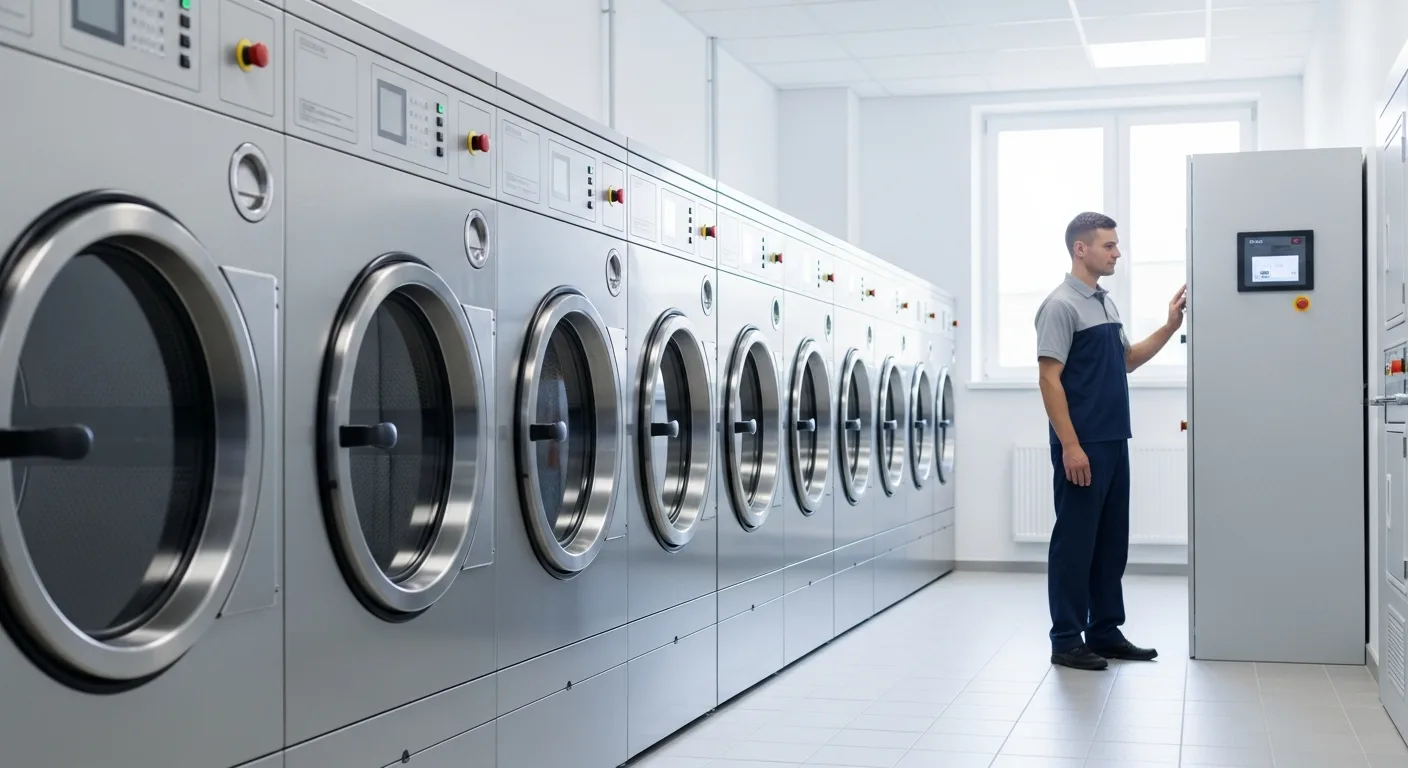
Running a high-capacity laundry operation requires more than just oversized machines; it demands industrial-grade reliability. If a business owner relies on residential units for a boutique hotel, a fitness center, or a multi-family housing complex, he will quickly find himself buried in repair bills and downtime. Commercial laundry equipment is engineered to handle 24/7 cycles with components like heavy-duty bearings, cast iron trunnions, and high-grade stainless steel drums that far outlast anything found in a standard home appliance store.
While a residential washer is built to handle roughly 300 cycles per year, a commercial-grade machine is designed for 10,000 to 14,000 cycles. For the professional, this means his investment pays for itself through longevity and reduced labor costs. He needs to focus on G-force extraction speeds, which significantly reduce drying time, saving both energy and labor hours.
Essential Types of Equipment for Professional Facilities
To build a functional laundry room, he must understand the specific roles of different machinery. It is not just about washing and drying; it is about the workflow and the specific needs of his linens.
- Washer-Extractors: These are the workhorses of any OPL (On-Premise Laundry). He should look for models with programmable controls that allow him to customize water levels and chemical injection for different fabric types.
- Tumble Dryers: Efficiency in drying is where he will save the most on utility bills. Modern dryers in 2026 feature axial airflow patterns and moisture sensors that stop the cycle the moment the load is dry, preventing fabric damage.
- Flatwork Ironers: If he manages a high-end hospitality venue, he cannot afford wrinkled sheets. An ironer allows him to process large volumes of linens directly from the washer, bypassing the dryer entirely for certain items.
When he is designing the layout of his facility, he must ensure that specialized storage configurations are in place to keep detergents and chemicals organized and out of the way of heavy machinery, ensuring a safe and efficient workspace for his staff.
Key Features to Prioritize in 2026
Technology has moved far beyond simple timers. Today, a facility manager should prioritize IoT-enabled machines. These systems allow him to monitor machine health, cycle counts, and utility usage from his smartphone. If a machine is underperforming or a drain is clogged, he receives an instant alert, allowing him to fix the issue before it halts production.
Inverter-driven motors are another non-negotiable feature. These motors provide smoother transitions between speeds, reducing mechanical stress on the machine and lowering peak energy demand. Furthermore, he can improve the efficiency of his wash cycles and protect the internal components of his machines by understanding how natural pH balancers can reduce the need for harsh, corrosive detergents that might otherwise degrade seals over time.
Maximizing ROI Through Smart Maintenance
The true cost of commercial laundry equipment is not the purchase price, but the total cost of ownership. To maximize his return on investment, he must implement a strict preventative maintenance schedule. This includes daily lint screen cleaning, weekly inspection of water inlet hoses, and monthly checks on belt tension.
He should also consider the extraction G-force of his washers. A machine with a 400-G extraction speed removes significantly more water than a 100-G model. This means his dryers run for shorter periods, which is the single most effective way to lower gas or electric consumption in his facility. By investing in high-extract machines, he protects his bottom line and extends the life of his linens by reducing heat exposure.
Space Optimization and Workflow Design
A poorly designed laundry room leads to bottlenecks. He should aim for a “U-shaped” or “linear” workflow where soiled linens enter at one end and finished goods exit at the other without crossing paths. This minimizes the risk of cross-contamination and keeps his employees moving efficiently. He should also account for vibration isolation; if his laundry room is on an upper floor, he will need soft-mount machines that use heavy-duty shocks to absorb the energy of high-speed spins, preventing structural damage to his building.
Frequently Asked Questions
What is the average lifespan of commercial laundry equipment?
With proper maintenance, high-quality commercial washers and dryers typically last between 10 and 15 years, even under heavy daily use. This is roughly triple the lifespan of residential units used in a similar environment.
What is the difference between OPL and vended laundry?
OPL (On-Premise Laundry) refers to machines used by a business to clean its own linens, such as in a hotel. Vended laundry refers to coin or card-operated machines used by customers in a laundromat setting. The internal components are similar, but the control systems differ significantly.
How can a manager reduce water consumption in a commercial laundry?
He should look for machines with low-water cycle options and automatic weighing systems. These systems sense the weight of the load and only use the exact amount of water required, preventing waste on partial loads.
Are front-load or top-load washers better for commercial use?
Front-load washers are generally superior for commercial applications. They offer higher extraction speeds, use less water and detergent, and are gentler on fabrics because they rely on tumbling action rather than an agitator.