The Foundation of a High-Performance Facility
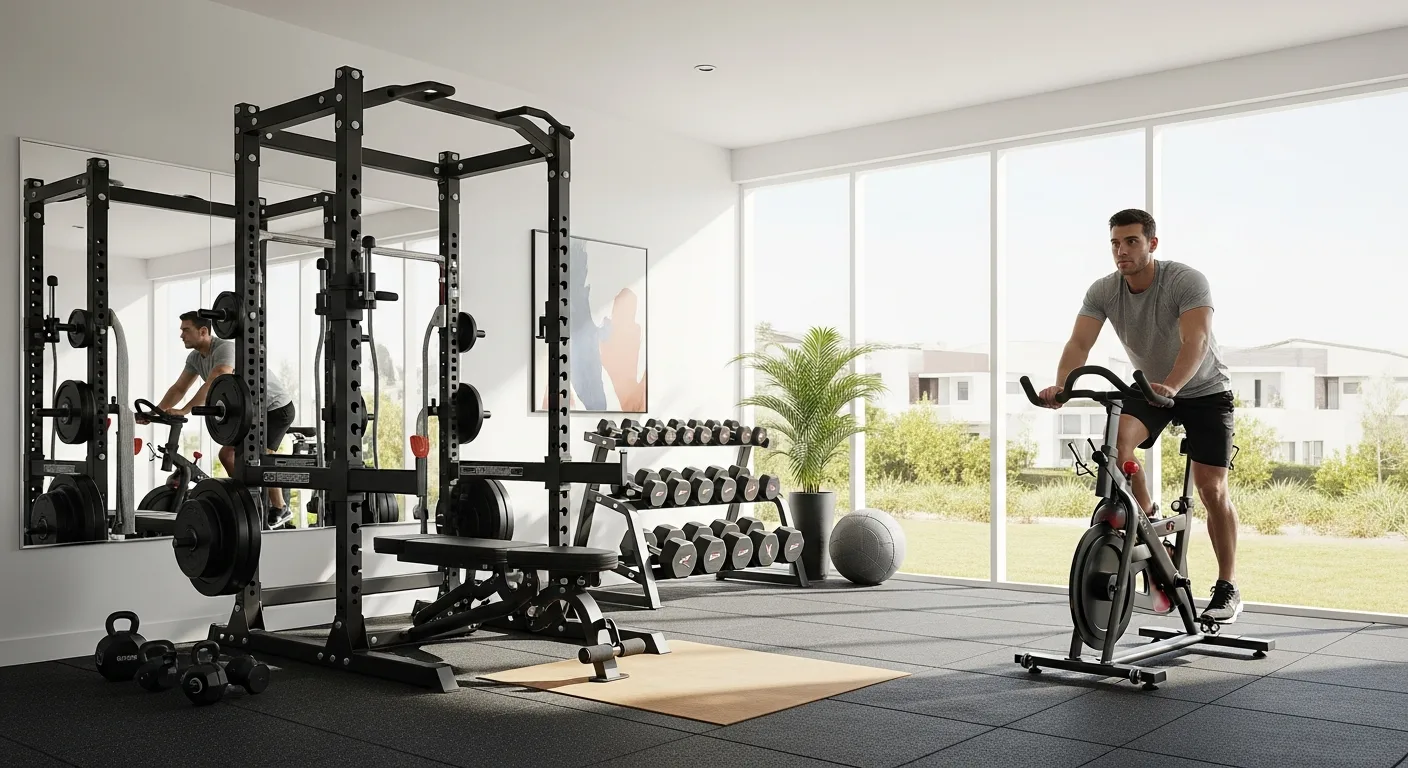
A gym floor is far more than a surface to walk on; it is a critical piece of equipment that dictates the safety and longevity of the entire facility. When a gym owner invests tens of thousands of dollars into power racks, treadmills, and dumbbells, the last thing he wants is for a dropped weight to shatter the concrete subfloor or damage the equipment itself. Choosing the right commercial gym flooring is about balancing impact absorption, durability, and ease of maintenance.
In 2026, the standards for flooring have evolved. It is no longer enough to just throw down some thin mats. A professional must consider the specific activities occurring in different zones of his gym. High-impact Olympic lifting requires different support than a high-intensity interval training (HIIT) area or a yoga studio.
Rubber Flooring: The Industry Standard
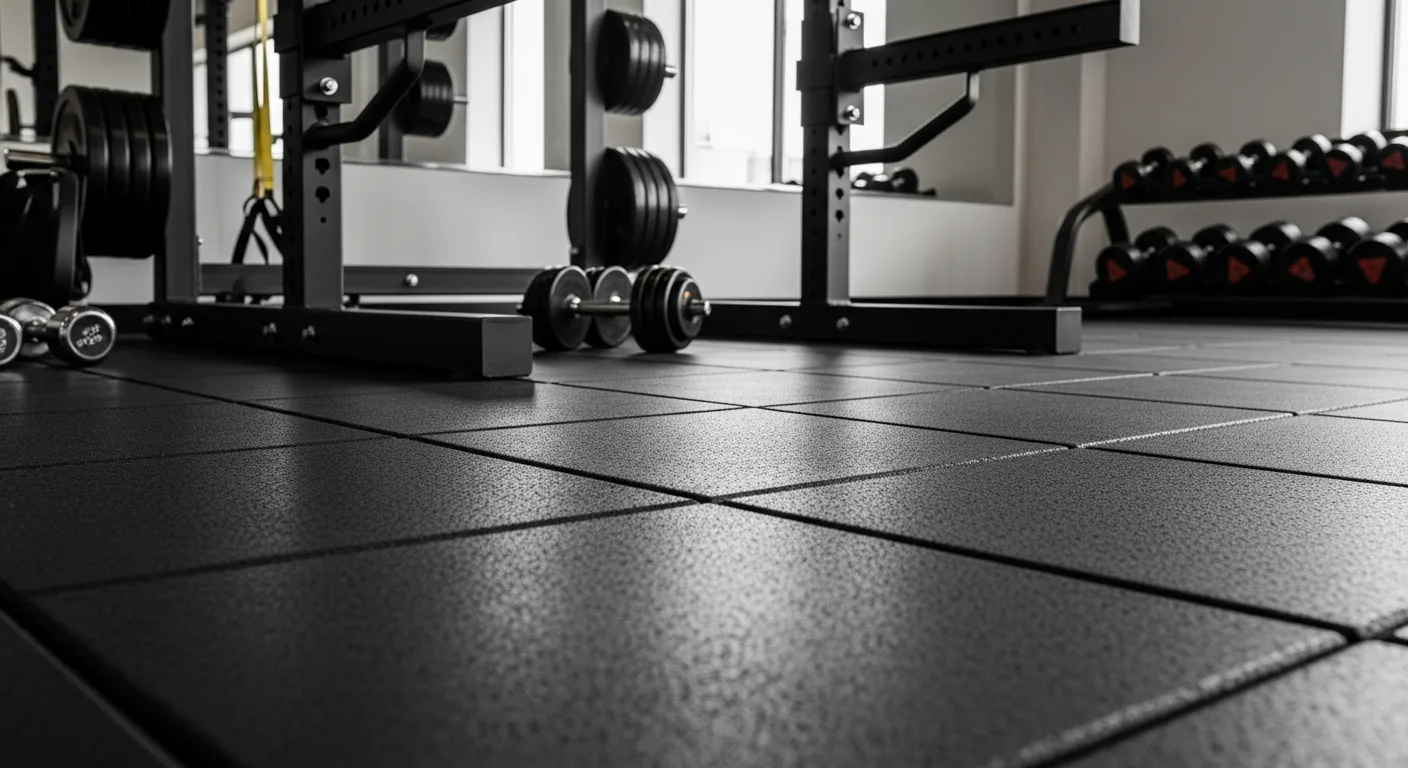
Rubber remains the king of the commercial gym world for a reason. It is incredibly resilient, naturally slip-resistant, and capable of taking a beating for a decade or more. Most facility managers choose between two primary formats: rolls and interlocking tiles.
- Rubber Rolls: These are the preferred choice for large, open spaces. Because they have fewer seams, they provide a sleek, professional look and are less likely to trip a member during lateral movements. They are typically glued down to ensure they stay perfectly in place under heavy foot traffic.
- Interlocking Tiles: These are ideal for smaller zones or oddly shaped rooms. If a specific area becomes damaged, he can simply swap out a few tiles rather than replacing an entire section of the floor. When he is researching home gym setup flooring storage solutions, he will find that commercial-grade tiles offer a level of density that residential foam mats simply cannot match.
Specialized Surfaces for Performance Zones
Modern gyms are increasingly moving toward multi-surface layouts. A sea of black rubber is functional, but adding specialized zones improves the user experience and protects the floor from specific types of wear.
Artificial Turf has become a staple for sled pushes, pulls, and sprint work. It provides the necessary traction for a man to dig his feet in without the friction burn associated with carpet or the resistance of rubber. Meanwhile, Vinyl flooring is often used in locker rooms or stretching areas because it is easy to sanitize and offers a more high-end aesthetic. When a manager begins to plan how to design home gym or commercial spaces, he must account for these transitions to prevent tripping hazards.
Thickness and Density: Why It Matters
The thickness of the flooring is the most important technical specification. A floor that is too thin will fail to protect the subfloor, while one that is too thick might feel unstable under heavy loads.
For general cardio and machine areas, 8mm to 10mm is usually sufficient. However, in free weight areas where 100-pound dumbbells are frequently dropped, a minimum of 15mm (roughly 5/8 inch) is required. For dedicated deadlift platforms, many owners opt for 20mm or higher to ensure the structural integrity of the building remains intact over years of abuse.
Acoustics and Sound Mitigation
Noise complaints can kill a gym business, especially if it is located in a multi-tenant building. Commercial gym flooring acts as a giant acoustic muffler. High-density rubber absorbs the vibration of a dropped barbell before it can travel through the frame of the building. This is particularly important for facilities located on second floors or in urban environments where neighbors are sensitive to thumping sounds.
Maintenance and Hygiene Protocols
A gym floor is a magnet for sweat, chalk, and bacteria. To keep the facility professional, the owner must implement a strict cleaning regimen. Rubber is non-porous, meaning it won’t soak up liquids, but it still requires regular mopping with a pH-neutral cleaner. Harsh chemicals like bleach should be avoided, as they can break down the binding agents in the rubber, causing it to become brittle and crack over time.
Frequently Asked Questions
What is the best thickness for commercial gym flooring?
For most commercial applications, 8mm is the standard for general use, but 15mm is highly recommended for weight rooms to provide adequate protection against dropped weights.
How do I get rid of the rubber smell in new gym floors?
The “new car smell” of rubber flooring usually dissipates within a few weeks. To speed up the process, ensure the room is well-ventilated and mop the floor with a mild soap and water solution immediately after installation.
Can commercial gym flooring be installed over carpet?
It is not recommended. Installing heavy rubber over carpet creates an unstable surface that can shift and cause injury. For the best results, the carpet should be removed, and the rubber should be laid directly on a clean concrete or wood subfloor.
Is glue-down installation necessary?
For rubber rolls in a high-traffic commercial setting, glue-down installation is essential to prevent the material from stretching or rippling over time. For interlocking tiles, a loose-lay installation is often sufficient.