The Engineering Behind Commercial-Grade Inflatables
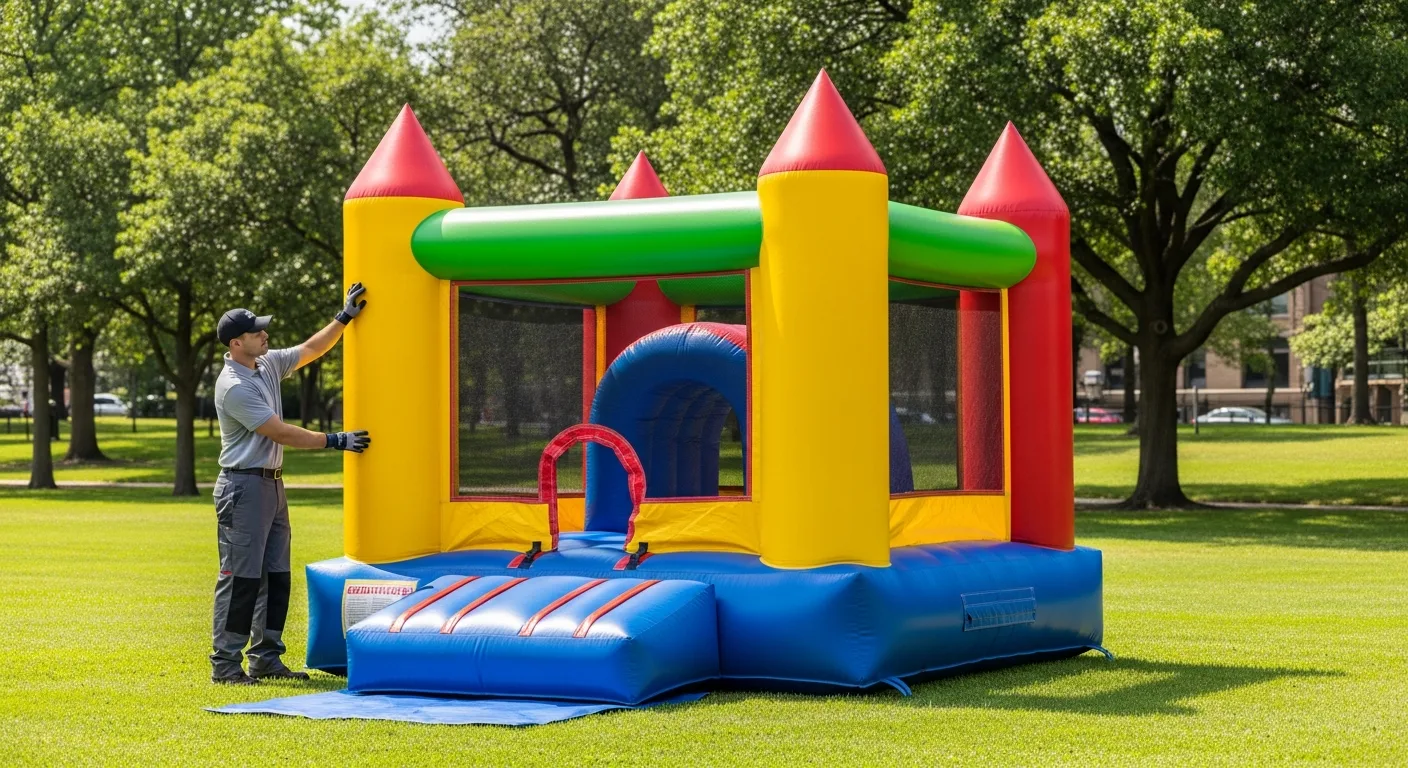
A commercial bounce house is a heavy-duty asset designed to withstand hundreds of hours of high-impact use. Unlike residential models found in big-box stores, these units are built from 18oz lead-free PVC vinyl. This material is puncture-resistant and fire-retardant, ensuring it can handle the weight of multiple adults or a dozen energetic children without failing.
When a professional inspects a unit, he looks specifically at the structural integrity of the seams. High-quality manufacturers use triple or quadruple stitching and reinforce stress points with additional vinyl strips. This prevents the air leakage and tearing that often plagues cheaper alternatives. If he is looking to integrate these into broader home entertainment concepts, he must prioritize these industrial specifications to ensure the safety of every guest.
Key Features That Define Professional Quality
To maximize the lifespan of an inflatable, certain features are non-negotiable. He should look for units that include commercial-grade blowers with high CFM (cubic feet per minute) ratings. These blowers are designed to run continuously for 8 to 10 hours without overheating, which is vital for all-day events.
- Finger-Safe Netting: Small-mesh netting prevents children from getting their fingers caught while still allowing for 360-degree visibility.
- Replaceable Slide Blankets: On combo units, the slide surface takes the most abuse. A smart buyer chooses a model with a removable Velcro blanket that he can replace easily.
- Heavy-Duty D-Rings: Secure anchoring is the most important safety factor. Commercial units feature stainless steel D-rings deeply embedded into the base.
Maximizing ROI in the Rental Market
Starting a rental venture requires more than just equipment; he needs to explore various home business ideas to ensure he has a solid foundation for growth. A single commercial bounce house can pay for itself in as few as ten rentals. In 2026, the market has shifted toward aesthetic neutrals and modern pastel colors, which appeal to high-end wedding and birthday planners.
He should also consider the logistics of transportation. A standard commercial unit weighs between 200 and 400 pounds. He will need a heavy-duty dolly and a trailer or large van to move the equipment efficiently. Investing in a motorized hand truck can save his back and reduce the time spent on setup and teardown, allowing him to book more jobs in a single weekend.
Maintenance Protocols for Longevity
The biggest enemy of a commercial inflatable is moisture. If he packs a unit away while it is still damp, mold and mildew will destroy the vinyl and the internal baffles within weeks. He must always perform a “dry out” session after an event, inflating the unit in his driveway or warehouse until every crevice is bone-dry.
Cleaning should be done with vinyl-safe disinfectants. He should avoid harsh bleach-based cleaners that can strip the UV-protective coating from the material. Regular inspections of the blower intake and the power cord are also necessary to prevent electrical failures during a party.
Safety Standards and Insurance Requirements
Operating a commercial bounce house involves significant liability. He must ensure his units are SIOTO (Safe Inflatable Operators Training Organization) certified or meet local ASTM standards. Most municipalities require a professional to carry at least $1 million in general liability insurance before he can set up in a public park.
He should also provide every client with a safety briefing. This includes weight limits, maximum occupancy, and weather protocols. For instance, if wind speeds exceed 15-20 mph, he must deflate the unit immediately to prevent tipping or lifting, regardless of how well it is anchored.
Frequently Asked Questions
What is the difference between a residential and a commercial bounce house?
Residential units are typically made of thin nylon and use a low-power blower, while commercial units use 18oz PVC vinyl, reinforced stitching, and industrial blowers designed for heavy daily use.
How long does a commercial bounce house last?
With proper cleaning, drying, and storage, a high-quality commercial unit can last between 5 to 7 years in a rental fleet before needing significant repairs or replacement.
Can adults use a commercial bounce house?
Yes, most commercial-grade inflatables are rated for adult weight. However, he should always check the specific manufacturer’s weight capacity and limit the number of participants to prevent overcrowding.
How do I clean a commercial inflatable?
He should use a soft brush, a mild vinyl cleaner, and water. It is essential to vacuum out debris from the corners and ensure the unit is completely dry before rolling it up for storage.