The Science of Building a Strong Core at Home
Achieving a powerful midsection is a primary goal for many men, yet it is often misunderstood as a pursuit of aesthetics alone. In reality, a strong core is the foundation of all functional movement. It protects the spine, improves posture, and enhances athletic performance. A man can achieve remarkable results without ever stepping foot into a commercial fitness center. By focusing on progressive overload and proper form, he can transform his physique using nothing more than his own body weight and a bit of floor space.
While many believe they need complex machinery, the most effective at home ab workouts rely on fundamental mechanics. When a man is creating a dedicated space for fitness within his residence, he should prioritize movements that target the rectus abdominis, the obliques, and the deep transverse abdominis.
Essential Bodyweight Exercises for Maximum Engagement
To see real progress, a man must move beyond the basic crunch. The following exercises are selected for their high level of muscle activation and their ability to be performed anywhere.
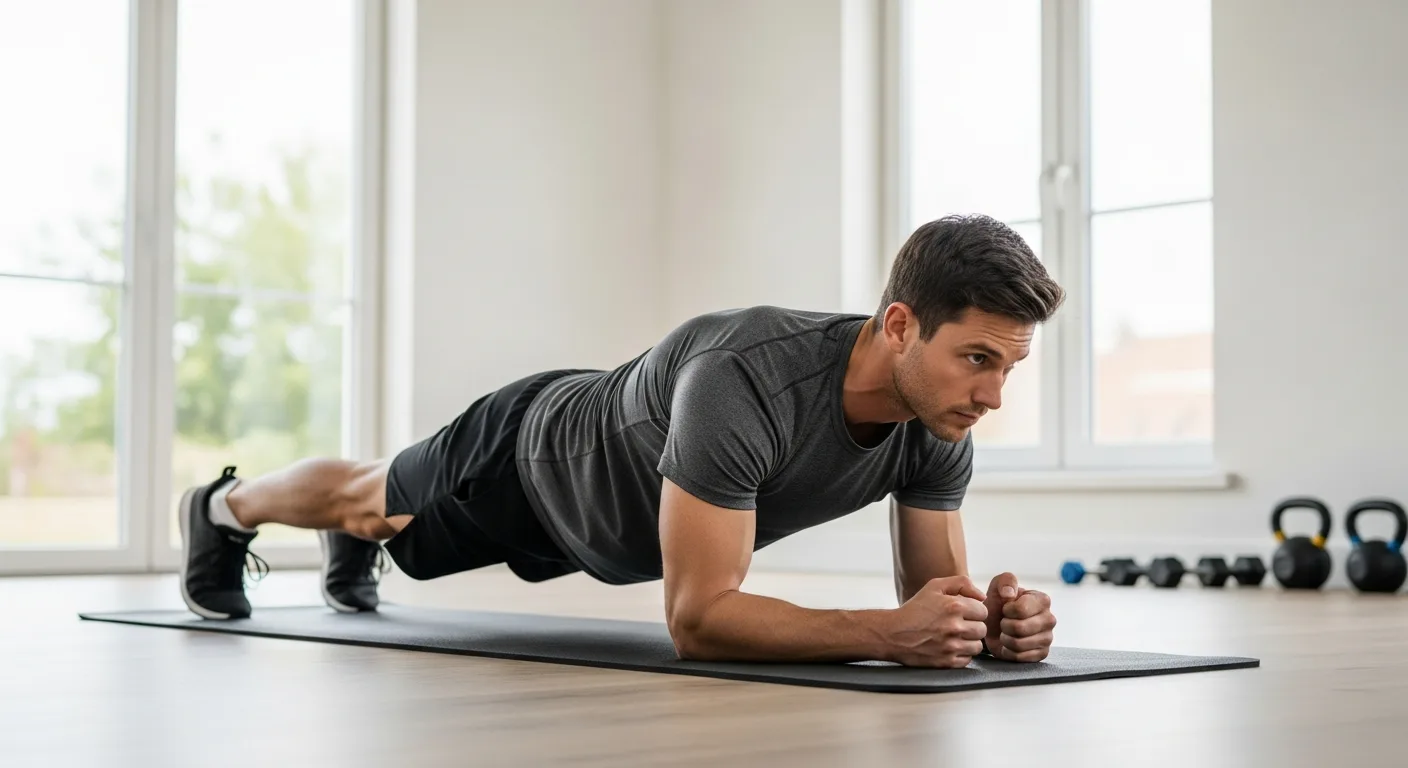
The Classic Forearm Plank
The plank is the gold standard for isometric core strength. To perform it correctly, he must maintain a straight line from his head to his heels, ensuring his hips do not sag or pike upward. This exercise teaches the core to resist extension, which is vital for spinal health. He should aim to hold this position for 45 to 60 seconds, focusing on squeezing his glutes and bracing his midsection as if he were about to be punched.
Hollow Body Holds
Often used by gymnasts, the hollow body hold is perhaps the most challenging static movement for a man’s core. He lies on his back and simultaneously lifts his legs and shoulders off the ground, pressing his lower back firmly into the floor. This creates a “banana” shape that forces the deep core muscles to work in unison. It is an uncompromising test of his abdominal endurance.
Mountain Climbers
For a man looking to combine core stability with a cardiovascular element, mountain climbers are indispensable. Starting in a high plank position, he drives his knees toward his chest in a controlled, rhythmic motion. This move targets the lower abdominals while challenging his shoulder stability and metabolic rate.
Advanced Core Movements to Level Up
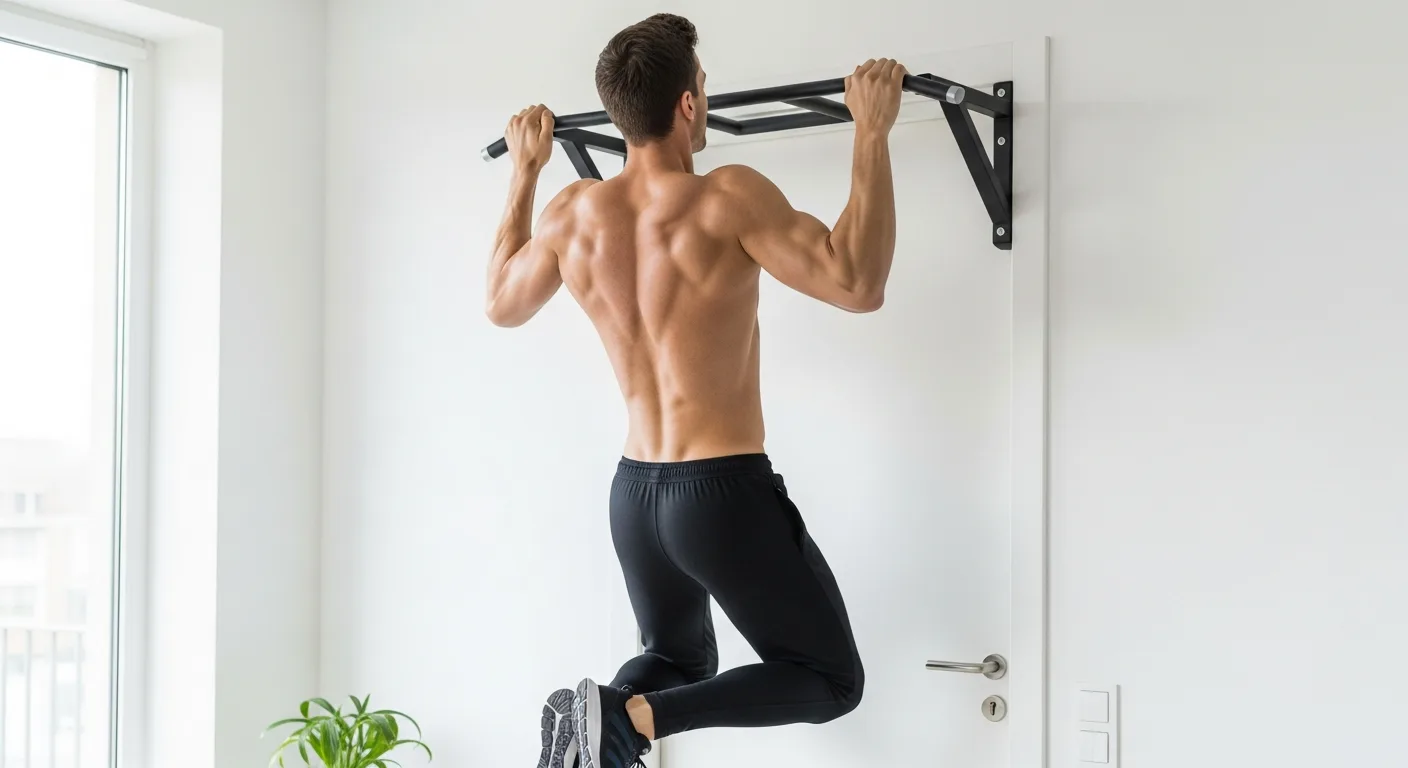
Once a man has mastered the basics, he must increase the intensity to continue seeing gains. L-Sits and Hanging Leg Raises (if he has access to a pull-up bar) are excellent progressions. However, even without equipment, he can increase difficulty by slowing down the tempo of his repetitions.
Negative repetitions, where he focuses on the lowering phase of a movement, can significantly increase time under tension. For instance, during a leg raise, he should take three to five seconds to lower his legs back to the starting position. This eccentric control is where a significant amount of muscle fiber recruitment occurs.
Structuring Your Routine for Success
Consistency is the differentiator between those who see results and those who do not. A man should aim to train his core three to four times per week, allowing for recovery days in between. A sample circuit might look like this:
- Plank: 60 seconds
- Hollow Body Hold: 45 seconds
- Bicycle Crunches: 20 reps per side
- Mountain Climbers: 40 seconds
- Rest: 60 seconds
- Repeat: 3-4 rounds
While bodyweight exercises are the primary focus, a man may eventually consider strategic equipment planning to add variety, such as an ab wheel or a medicine ball, to further challenge his stability and strength as he advances.
Frequently Asked Questions
How often should a man do ab workouts at home?
For optimal results, he should target his core 3 to 4 times a week. Like any other muscle group, the abdominals require rest to recover and grow stronger, so he should avoid training them every single day.
Can a man get a six-pack just by doing at home ab workouts?
While these workouts build the muscle, visibility depends largely on his body fat percentage. He must combine consistent core training with a disciplined nutritional approach to reveal the muscle definition underneath.
Are sit-ups bad for a man’s back?
If performed with poor form, sit-ups can put undue stress on the lumbar spine. He is often better off performing planks, dead bugs, or bird-dogs, which provide high core engagement with significantly lower spinal compression.
Do I need a mat for at home ab workouts?
While not strictly necessary, a yoga or fitness mat provides cushioning for his spine and tailbone, making exercises like the hollow body hold or floor leg raises much more comfortable and sustainable.