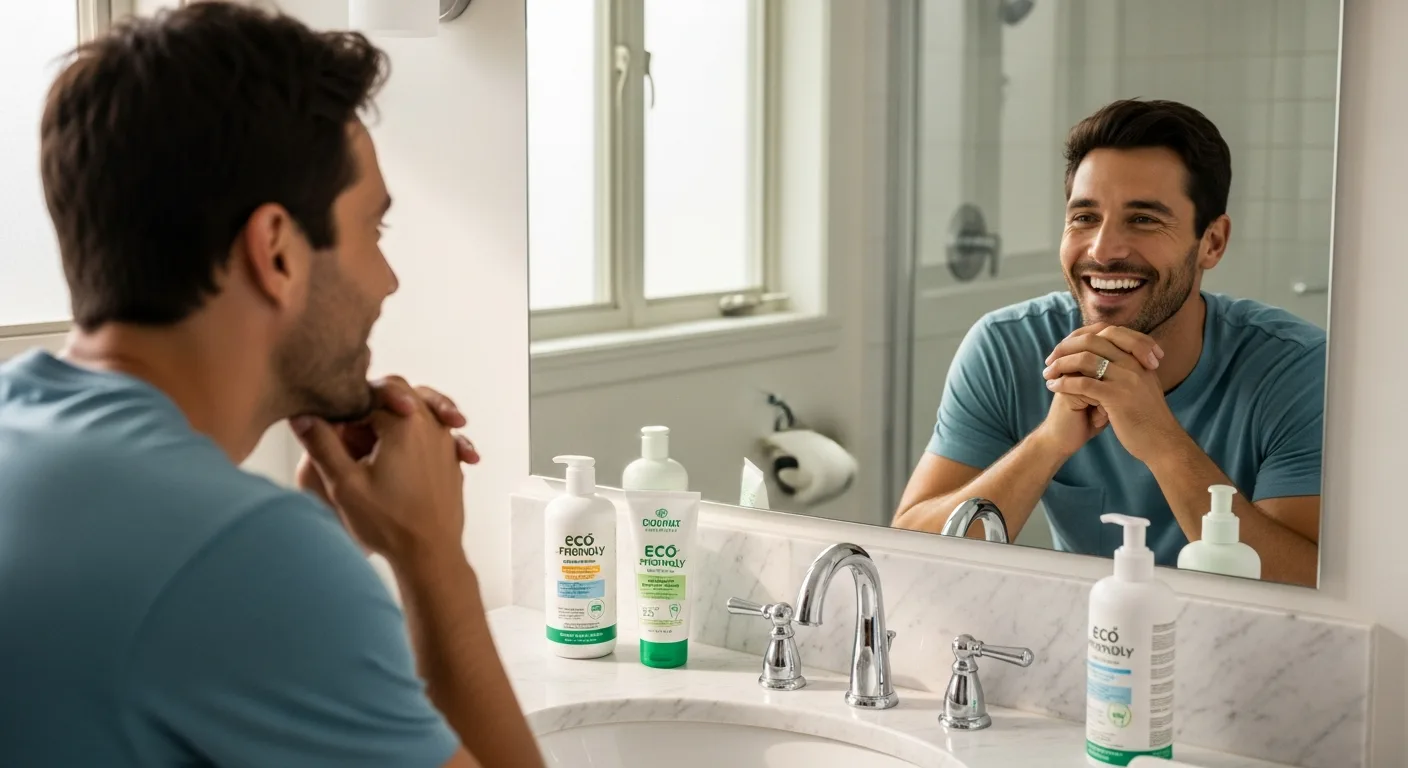
The Science of a Brighter Smile
A man’s smile is often the first thing people notice, and a bright, white set of teeth can significantly boost his confidence in both professional and social settings. Over time, coffee, red wine, and certain foods can leave stubborn stains on the enamel. While professional treatments are effective, they are often expensive and time-consuming. Fortunately, modern advancements have made it possible to achieve professional-grade results from the comfort of his own bathroom.
The best way to whiten teeth at home involves a combination of chemical whitening agents and consistent maintenance. Most effective products rely on hydrogen peroxide or carbamide peroxide to break down deep-set stains. However, before he begins any intensive regimen, he should understand the at-home teeth whitening safety methods to avoid damaging his enamel or causing unnecessary gum sensitivity.
Professional-Grade Whitening Strips and Gels
Whitening strips remain one of the most popular and accessible options for a reason. These thin, flexible plastic strips are coated with a peroxide-based whitening gel designed to conform to the shape of his teeth. They work by keeping the whitening agent in close contact with the enamel for a set period, usually 30 minutes a day.
- Ease of Use: He can wear them while getting ready for work or watching the news.
- Effectiveness: High-quality strips can lighten teeth by several shades within two weeks.
- Precision: Gels used with custom-fit trays often provide more even coverage, especially for men with slightly crooked teeth where strips might not reach every corner.
LED Whitening Kits: The Modern Approach
In recent years, LED whitening kits have become the gold standard for home dental care. These kits typically include a whitening gel and a mouthpiece equipped with LED lights. The light acts as a catalyst, accelerating the chemical reaction of the peroxide and allowing it to penetrate the tooth surface more deeply and quickly.
For a man looking for fast results, this is often the superior choice. Many of these devices are rechargeable and come with built-in timers to ensure he doesn’t overexpose his teeth. A solid foundation in dental hygiene and plaque management ensures that these whitening agents can penetrate the tooth surface effectively without being blocked by buildup.
Natural Remedies That Actually Work
If he prefers a more holistic approach or has extremely sensitive teeth, several natural methods can help maintain a bright smile. While these won’t produce the dramatic results of peroxide, they are excellent for removing surface stains.
Baking Soda and Hydrogen Peroxide: A paste made of these two household staples is a classic remedy. Baking soda is mildly abrasive, helping to scrub away surface stains, while the peroxide acts as a natural bleach. He should use this sparingly—no more than twice a week—to prevent wearing down his enamel.
Oil Pulling: This ancient practice involves swishing a tablespoon of coconut oil in the mouth for 15-20 minutes. While it won’t bleach the teeth, it helps remove bacteria and plaque that can make teeth look yellow and dull.
Maintaining Results: Lifestyle Habits
Whitening is not a one-time event; it requires ongoing effort. To keep his smile bright, a man must be mindful of his daily habits. Drinking dark liquids like coffee or tea through a straw can minimize contact with the front teeth. Rinsing the mouth with water immediately after eating pigmented foods also helps prevent new stains from setting in.
Regular brushing and flossing are non-negotiable. Using a whitening toothpaste can help polish away daily surface stains, though it won’t change the actual color of the tooth. He should also schedule regular professional cleanings to remove tartar, which cannot be cleared by home whitening products alone.
Frequently Asked Questions
How long does it take to see results from home whitening?
Most men will notice a visible difference within 3 to 7 days of consistent use. Full results typically peak after two weeks of daily application, depending on the concentration of the whitening agent.
Can home whitening damage tooth enamel?
If used according to the manufacturer’s instructions, home whitening is generally safe. However, overusing peroxide-based products or leaving them on for too long can lead to enamel erosion and increased sensitivity.
Will whitening work on crowns or veneers?
No, whitening agents only work on natural tooth enamel. If he has crowns, veneers, or composite fillings, they will remain their original color, which may result in an uneven look if the surrounding teeth are significantly whitened.
How often should a man whiten his teeth at home?
A full whitening cycle is usually recommended once every six months. In between, he can use “touch-up” treatments once a month to maintain the brightness against daily staining from food and drink.