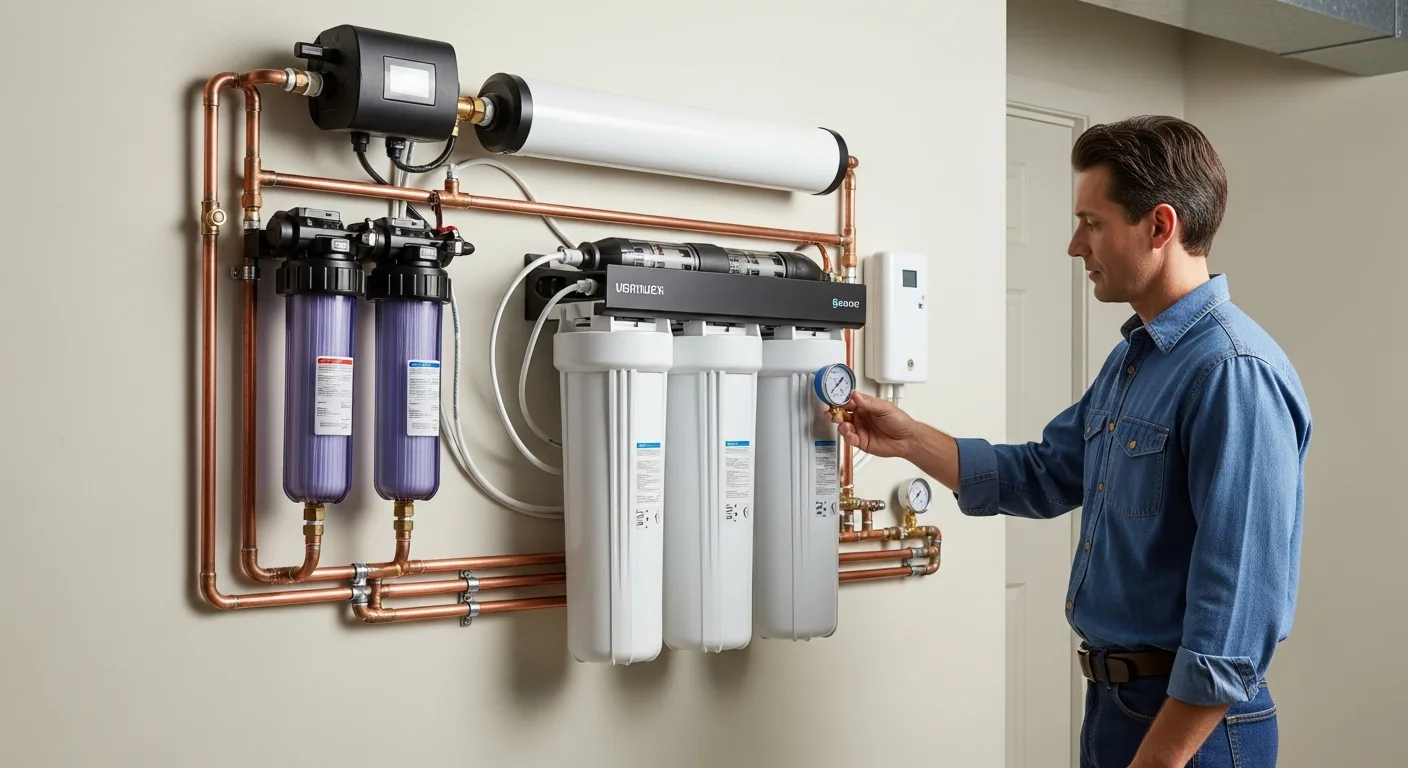
The Importance of Pure Water Throughout Your Home
When a homeowner begins to notice the scent of chlorine or the presence of sediment in his tap water, he quickly realizes that point-of-use filters aren’t enough. Investing in the best rated whole house water filter is about more than just taste; it is about protecting his family’s health and ensuring his plumbing infrastructure remains free from corrosive contaminants.
By treating water at the point of entry, a man can ensure that every faucet, showerhead, and appliance in his residence is supplied with purified water. This comprehensive approach prevents skin irritation during showers and extends the lifespan of expensive appliances like water heaters and dishwashers.
Key Features of High-Performance Filtration Systems
To identify a top-tier system, a homeowner must look beyond marketing claims and focus on technical specifications. The most effective units are defined by their micron rating and flow rate. A lower micron rating indicates the filter can trap smaller particles, which is essential if he is dealing with fine silt or microscopic cysts.
- Flow Rate: Measured in gallons per minute (GPM), this determines if the system can handle multiple showers and a laundry load simultaneously without a drop in pressure.
- Filter Longevity: High-rated systems often feature sediment pre-filters that a man can easily swap out to protect the more expensive main filter media.
- Certifications: Look for NSF/ANSI standards, which prove the system has been rigorously tested for contaminant reduction.
For those looking to dive deeper into specific setups, exploring effective home water treatment strategies can provide a clearer picture of how these components work in tandem.
Common Filtration Technologies Explained
Not every house requires the same level of filtration. A man must first understand what is in his local water supply before he selects his equipment. Most highly-rated systems utilize a multi-stage process to address different threats.
Activated Carbon Blocks
This is the workhorse of most systems. It is exceptionally good at removing chlorine, VOCs, and unpleasant odors. If he finds his water smells like a swimming pool, a robust carbon stage is his best defense.
Kinetic Degradation Fluxion (KDF)
Often used alongside carbon, KDF media uses copper and zinc to create a chemical reaction that neutralizes heavy metals like lead and mercury. It also inhibits the growth of bacteria within the filter tank itself.
Reverse Osmosis (RO)
While usually reserved for under-sink applications, some high-end whole-house RO systems exist. These offer the ultimate level of purity, though they require more maintenance and a storage tank to manage water pressure. Understanding the nuances of water quality solutions for the home is vital before committing to an RO setup.
Maintenance and Long-Term Reliability
The best rated whole house water filter is only as good as the man who maintains it. A system that is neglected will eventually become a breeding ground for bacteria or cause a significant drop in home water pressure. Most modern systems are designed for ease of use, allowing a homeowner to change cartridges with a simple wrench in under ten minutes.
He should keep a log of when filters were last replaced. Typically, sediment filters need attention every 3-6 months, while the main carbon tanks can last several years depending on the volume of water used. Regular inspections ensure that his investment continues to provide the high-quality water he expects.
Frequently Asked Questions
Does a whole house filter soften water?
Generally, no. A standard filtration system removes contaminants and chemicals but does not remove the minerals that cause hardness. If a man has scale buildup on his fixtures, he may need to pair his filter with a dedicated water softener.
Will it reduce my water pressure?
If sized correctly, the impact on pressure is negligible. A homeowner should ensure the GPM rating of the filter matches or exceeds the peak demand of his household to avoid any noticeable difference at the tap.
How do I know which contaminants are in my water?
He should start with a professional water test kit or review the annual water quality report provided by his local municipality. This data allows him to target specific issues rather than guessing which filter media he needs.